Tomato VS Corn Salad
A detailed nutritional comparison
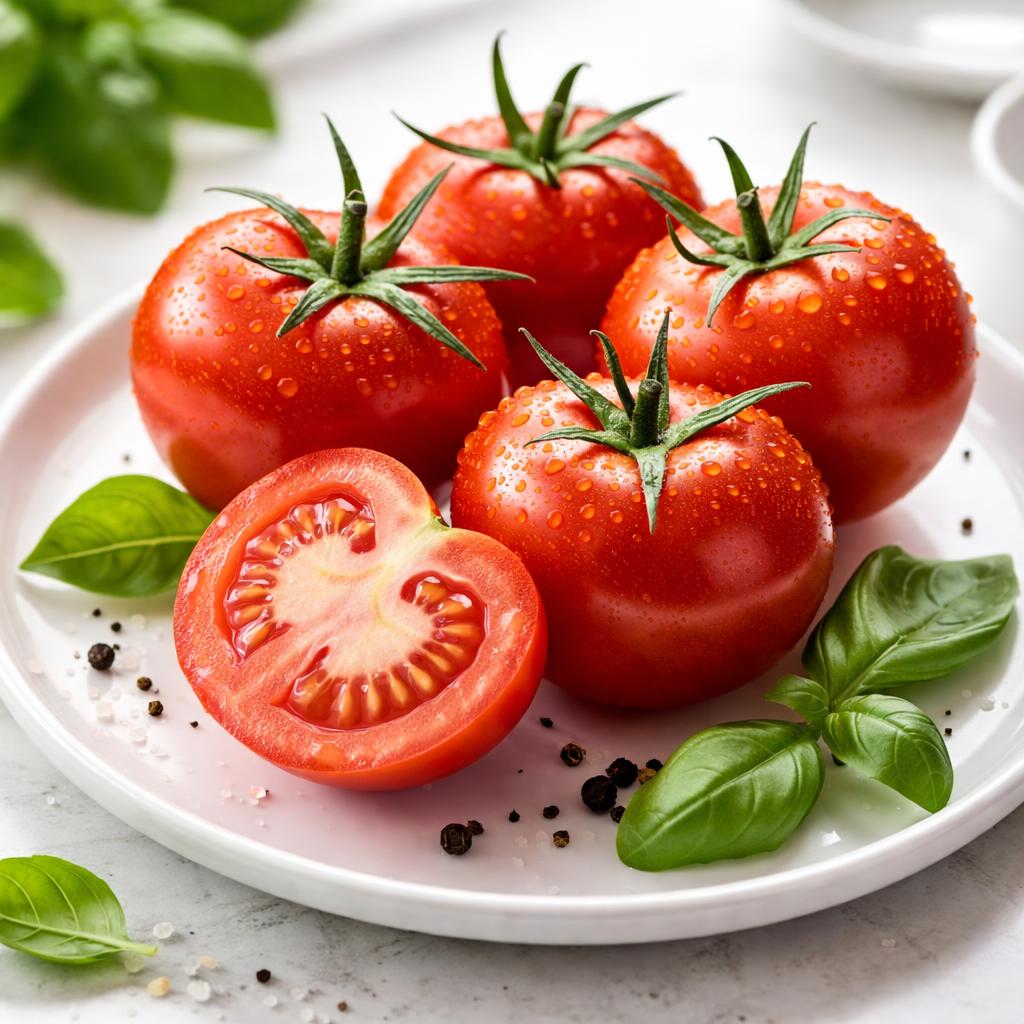
Tomato
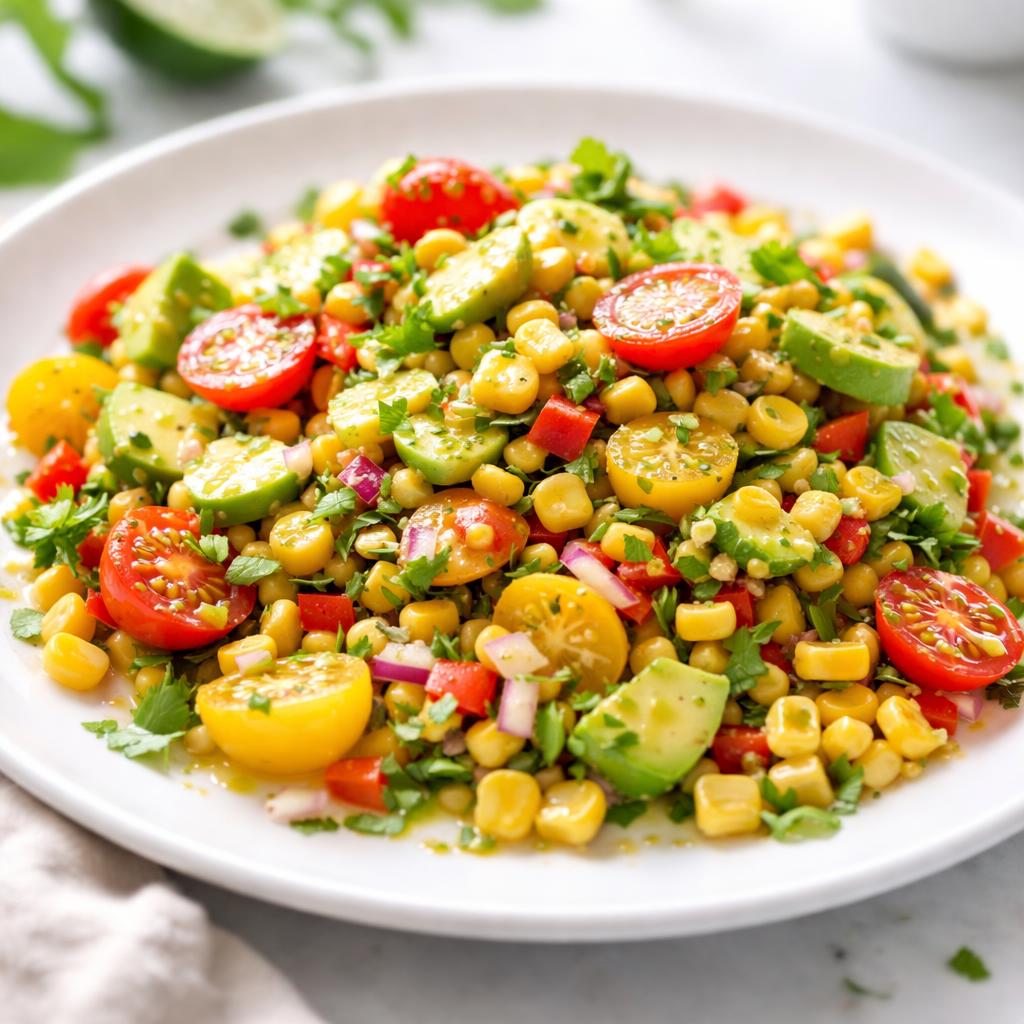
Corn Salad
🎯 Quick Verdict
Tomatoes and corn salad are two highly nutritious foods with slightly different benefits. Tomatoes are excellent for hydration and are rich in vitamin C, while corn salad offers slightly more protein and fiber. Both are low-calorie options suitable for weight management and nutrient-focused diets.

Smart Nutrition Tracking with SnapCalorie

📊 Nutritional Comparison
Macronutrients
| Nutrient | Food 1 | Food 2 | Winner |
|---|---|---|---|
| Calories | 18 | 20 | − |
| Protein | 0.9g | 2g | − |
| Carbs | 3.9g | 3.5g | − |
| Fat | 0.2g | 0.4g | − |
| Fiber | 1.2g | 1.5g | − |
Vitamins & Minerals
| Nutrient | Food 1 | Food 2 | Winner |
|---|---|---|---|
| Vitamin C | 13.7mg | 37mg | − |
| Vitamin A | 833 IU | 569 IU | − |
| Vitamin K | 7.9mcg | 38mcg | − |
🏆 Category Winners
Protein
Corn salad offers over double the protein than a tomato per serving.
Fiber
Corn salad contains slightly more fiber, promoting digestion.
Calories
Both are very low-calorie foods suitable for weight loss.
Vitamins
Corn salad provides significantly more of certain vitamins such as vitamin C and vitamin K.
🥗 Diet Compatibility
Keto
Food 1: Compatible
Food 2: Compatible
Both are low-carb and keto-friendly.
Vegan
Food 1: Compatible
Food 2: Compatible
Both are plant-based vegan foods.
Gluten Free
Food 1: Compatible
Food 2: Compatible
Neither contains gluten and are suitable for gluten-free diets.
Paleo
Food 1: Compatible
Food 2: Compatible
Both align with paleo diet guidelines as they are whole foods.
Low-Carb
Food 1: Compatible
Food 2: Compatible
Both are low in carbohydrates and ideal for low-carb diets.
💪 Health Benefits Comparison
Food 1 Benefits
- High in water content for hydration
- Rich in vitamin A for healthy skin and eyes
- Good source of lycopene, an antioxidant linked to heart health
Food 2 Benefits
- Rich in vitamin C for immune support
- Good quantity of vitamin K for bone health
- Higher protein content aids in muscle maintenance
✅ The Bottom Line
Tomatoes and corn salad both make excellent low-calorie, nutrient-dense choices. Tomatoes are best for hydration and antioxidant support, while corn salad excels in providing vitamin C, vitamin K, and added protein content.
Choose Food 1 for: Hydration, eye health, antioxidant benefits
Choose Food 2 for: Immune support, bone health, protein and fiber enhancements


