Tomato VS Chickpea Salad
A detailed nutritional comparison
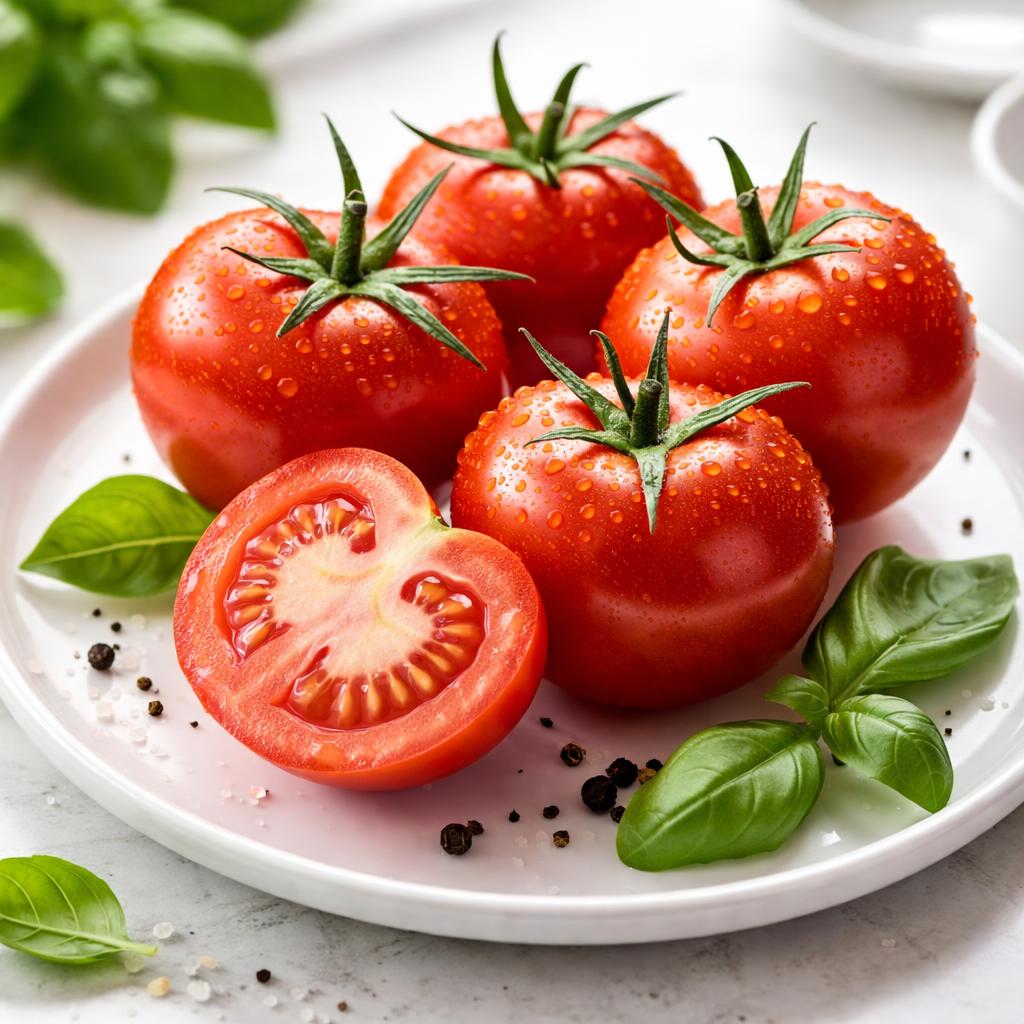
Tomato
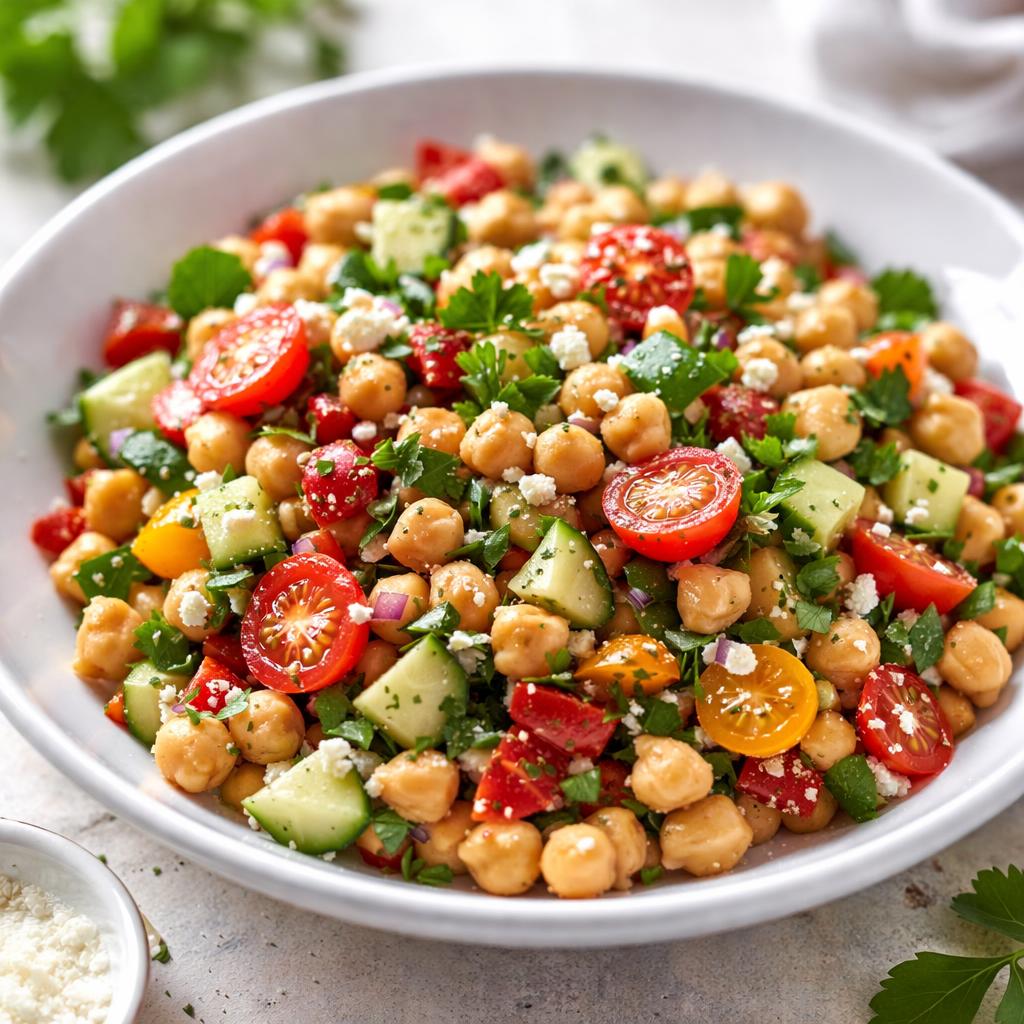
Chickpea Salad
🎯 Quick Verdict
Tomatoes are low-calorie and hydrating with modest vitamin C and antioxidant content, while chickpea salad is nutrient-dense, offering more protein, fiber, and healthy fats. Tomatoes excel as a light snack or base for recipes, while chickpea salad is great for hearty meals or nutritional sustenance.

Smart Nutrition Tracking with SnapCalorie

📊 Nutritional Comparison
Macronutrients
| Nutrient | Food 1 | Food 2 | Winner |
|---|---|---|---|
| Calories | 18 | 180 | ✓ |
| Protein | 0.9g | 6g | ✓ |
| Carbs | 3.9g | 22g | ✓ |
| Fat | 0.2g | 10g | ✓ |
| Fiber | 1.2g | 6g | ✓ |
Vitamins & Minerals
| Nutrient | Food 1 | Food 2 | Winner |
|---|---|---|---|
| Vitamin C | 13.7mg | 6mg | ✓ |
| Vitamin K | 7.9mcg | 25mcg | ✓ |
| Folate | 15mcg | 50mcg | ✓ |
| Iron | 0.5mg | 2.5mg | ✓ |
| Potassium | 237mg | 450mg | ✓ |
🏆 Category Winners
Protein
Chickpea salad has over 6 times more protein per serving than tomatoes.
Fiber
Chickpea salad provides 500% more fiber compared to tomatoes.
Calories
Tomatoes are significantly lower in calories, making them ideal for calorie-conscious diets.
Vitamins
Chickpea salad wins in vitamin density with higher amounts of folate, iron, and potassium.
🥗 Diet Compatibility
Keto
Food 1: Compatible
Food 2: Not Compatible
Tomatoes are very low-carb, unlike chickpea salad which is higher in carbohydrates.
Vegan
Food 1: Compatible
Food 2: Compatible
Both foods are plant-based and suitable for vegan diets.
Gluten Free
Food 1: Compatible
Food 2: Compatible
Neither tomatoes nor chickpea salad contain gluten.
Paleo
Food 1: Compatible
Food 2: Not Compatible
Tomatoes are paleo-friendly, but chickpea salad typically includes legumes and may not be strictly paleo.
Low Carb
Food 1: Compatible
Food 2: Not Compatible
Tomatoes are low-carb with 3.9g per serving, while chickpea salad has a higher carbohydrate content at 22g.
💪 Health Benefits Comparison
Food 1 Benefits
- Rich in antioxidants, particularly lycopene, which supports heart health
- Low calorie and hydrating, ideal for weight management
- Good source of vitamin C to boost immunity and skin health
Food 2 Benefits
- High in dietary fiber, which promotes digestive health
- Provides plant-based protein for muscle repair and satiety
- Rich in iron and folate, supporting red blood cell production
✅ The Bottom Line
Choose tomatoes for a light, low-calorie snack or as an ingredient in weight-loss meals and recipes. Chickpea salad is better for nutrient density, sustained energy, and meals requiring more protein and fiber.
Choose Food 1 for: Low-calorie diets, hydration, antioxidant intake
Choose Food 2 for: Muscle repair, long-lasting energy, heart health


