Tomato VS Cherry Tomatoes
A detailed nutritional comparison
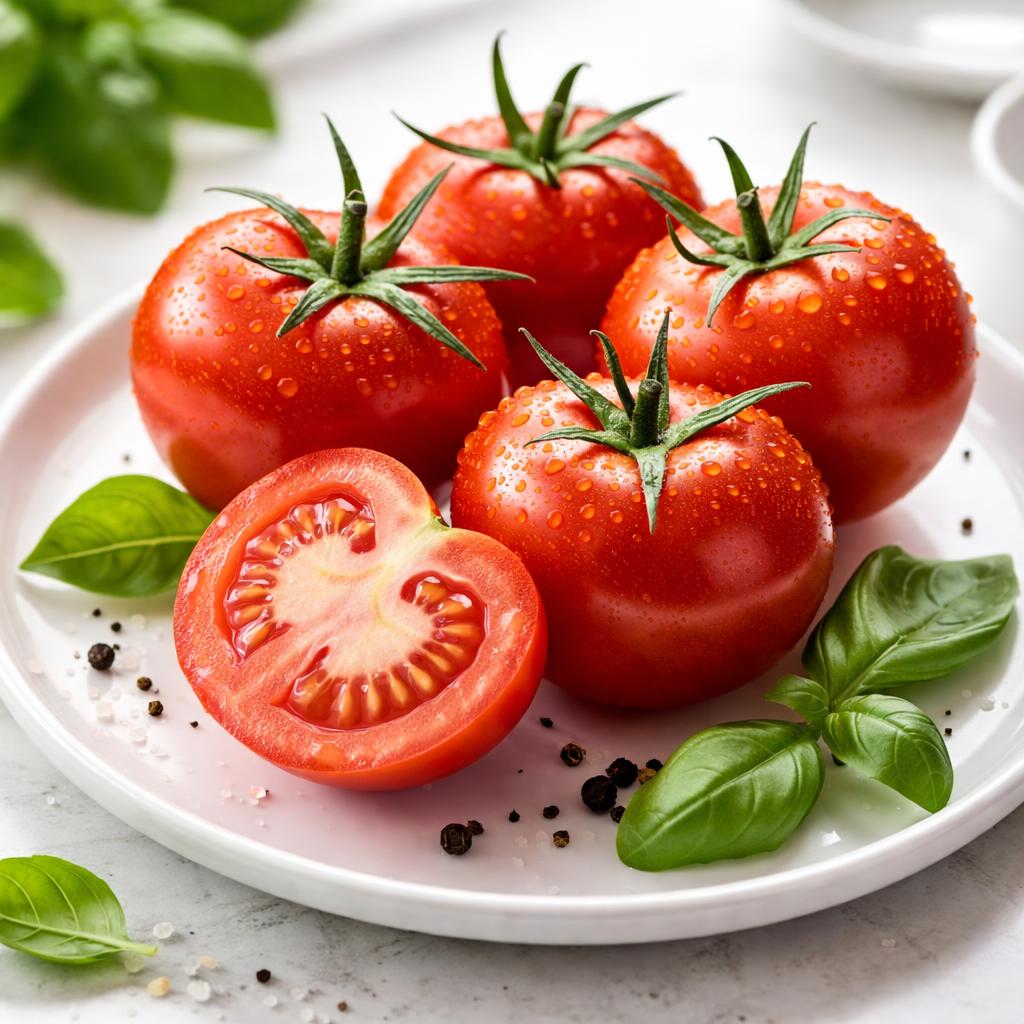
Tomato
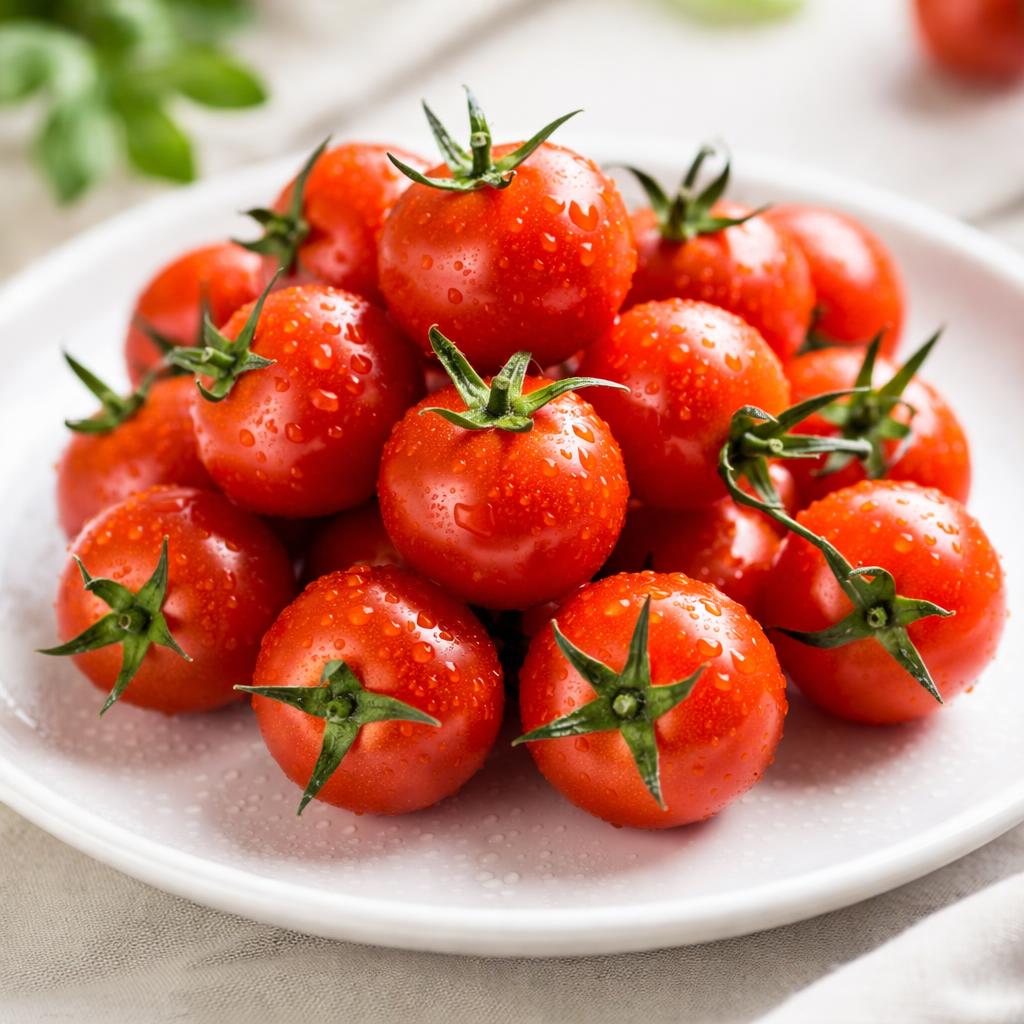
Cherry Tomatoes
🎯 Quick Verdict
Tomatoes and cherry tomatoes are nutritionally similar, but cherry tomatoes have slightly fewer calories per serving, making them a lighter option. Regular tomatoes contain slightly more fiber and protein, making them marginally better for digestion and satiety. Both are excellent sources of vitamins and great for a variety of diets due to their low fat and carb content.

Smart Nutrition Tracking with SnapCalorie

📊 Nutritional Comparison
Macronutrients
| Nutrient | Food 1 | Food 2 | Winner |
|---|---|---|---|
| Calories | 18 calories (per 100g) | 16 calories (per 100g) | ✓ |
| Protein | 0.9g | 0.8g | ✓ |
| Carbs | 3.9g | 3.6g | ✓ |
| Fat | 0.2g | 0.15g | ✓ |
| Fiber | 1.2g | 0.9g | ✓ |
Vitamins & Minerals
| Nutrient | Food 1 | Food 2 | Winner |
|---|---|---|---|
| Vitamin C | 13.7mg | 12.7mg | ✓ |
| Vitamin A | 833 IU | 850 IU | ✓ |
| Potassium | 237mg | 240mg | ✓ |
| Vitamin K | 7.9mcg | 10.1mcg | ✓ |
| Folate | 15mcg | 14mcg | ✓ |
🏆 Category Winners
Protein
Regular tomatoes have slightly higher protein content per serving (0.9g vs 0.8g).
Fiber
Regular tomatoes provide 33% more fiber than cherry tomatoes.
Calories
Cherry tomatoes have around 11% fewer calories per 100g.
Vitamins
Cherry tomatoes are richer in Vitamin A, Vitamin K, and potassium compared to regular tomatoes.
🥗 Diet Compatibility
Keto
Food 1: Compatible
Food 2: Compatible
Both are low in carbs (under 4g per 100g).
Vegan
Food 1: Compatible
Food 2: Compatible
Both are plant-based and suitable for vegan diets.
Gluten Free
Food 1: Compatible
Food 2: Compatible
Neither contains gluten.
Paleo
Food 1: Compatible
Food 2: Compatible
Both foods are whole, unprocessed, and paleo-friendly.
Low Carb
Food 1: Compatible
Food 2: Compatible
Both have minimal carbohydrate content.
💪 Health Benefits Comparison
Food 1 Benefits
- High in dietary fiber for improved digestion
- Rich in Vitamin C for immune system support
- Contains antioxidants like lycopene for heart health
- Helps maintain healthy skin due to its vitamin content
Food 2 Benefits
- Lower in calories, making it ideal for weight loss
- Rich in Vitamin K for bone health
- Contains potassium, beneficial for managing blood pressure
- Small and snackable size is convenient for portion control
✅ The Bottom Line
Choose regular tomatoes if you value higher fiber and protein for digestion and satiety. Opt for cherry tomatoes if you want fewer calories or more vitamins like potassium and Vitamin K. Both are versatile, nutritious, and work well in most diets.
Choose Food 1 for: Soups, sauces, digestion, satiety
Choose Food 2 for: Snacks, salads, light meals, bone health


