Tomato VS Cheese Cubes
A detailed nutritional comparison
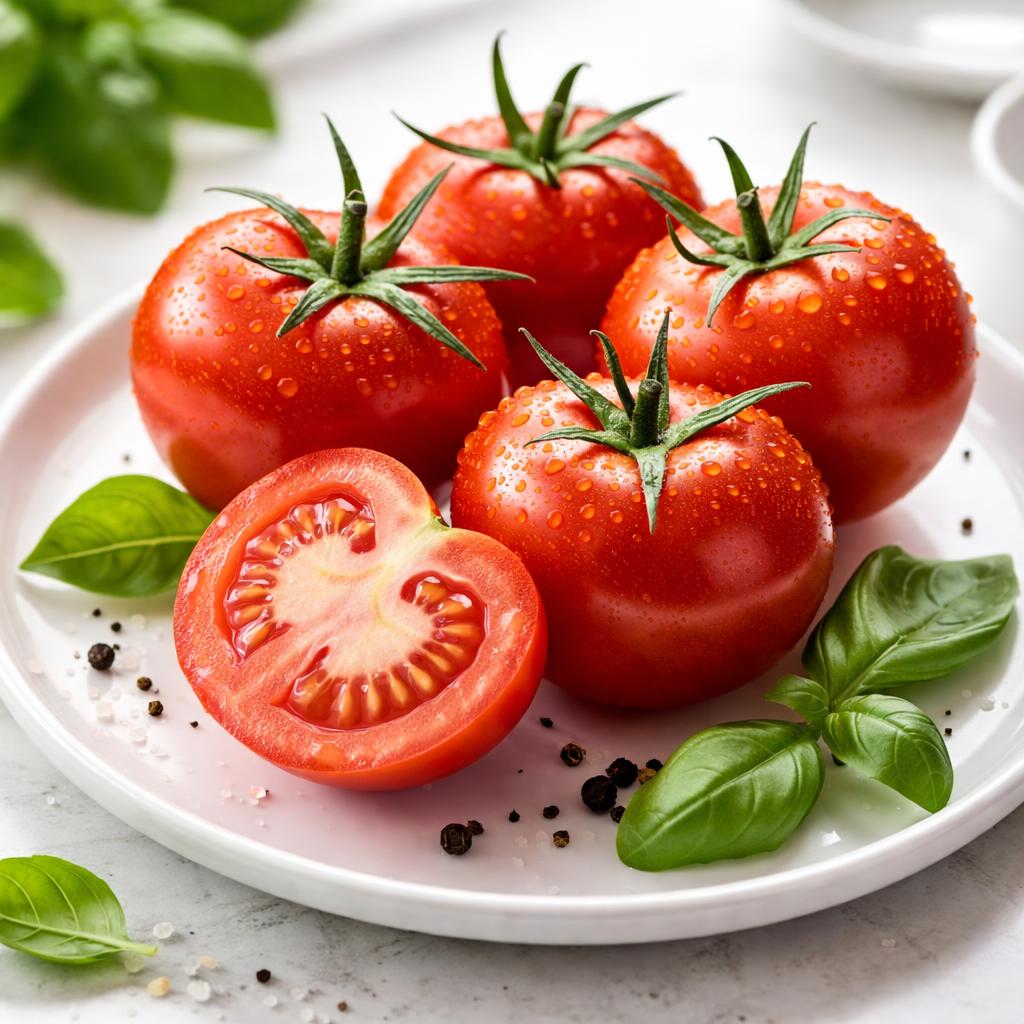
Tomato
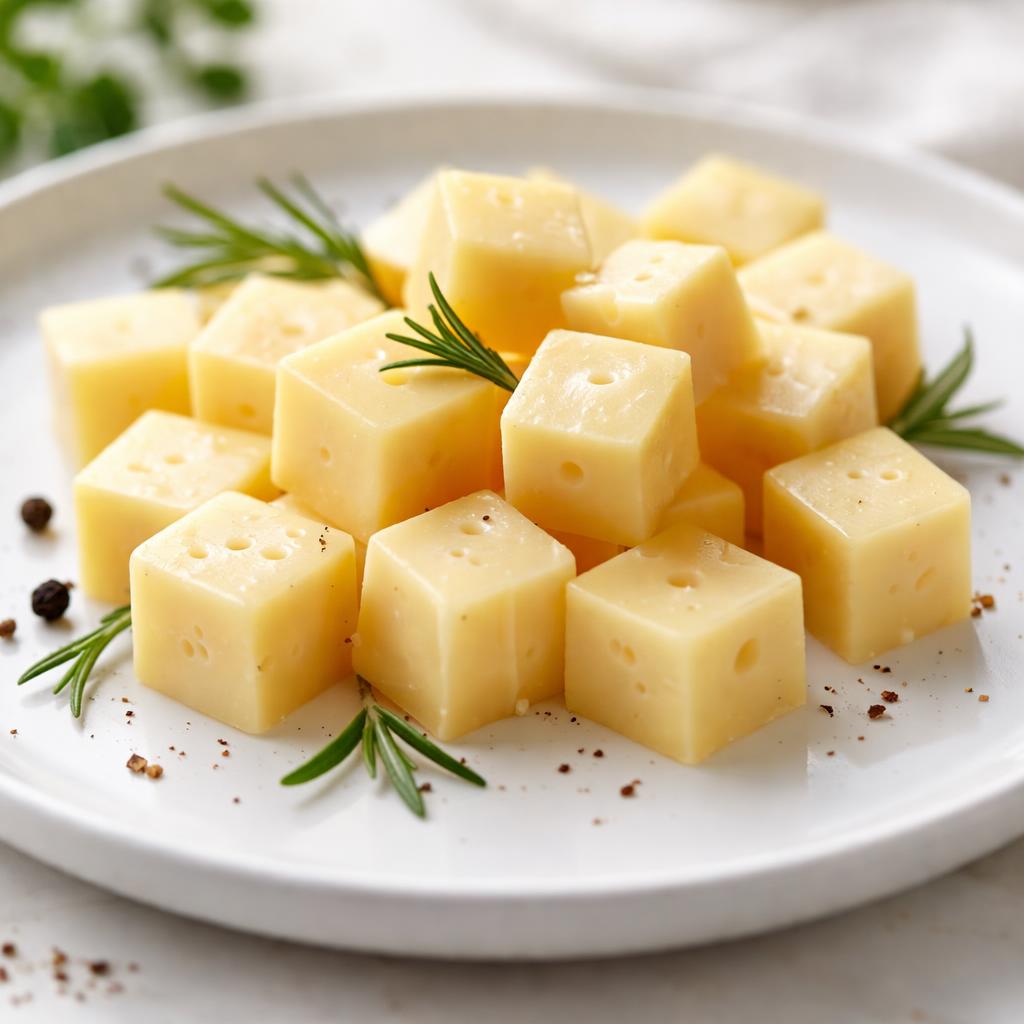
Cheese Cubes
🎯 Quick Verdict
Tomatoes and cheese cubes offer very different nutritional profiles. Tomatoes are low-calorie with higher fiber and vitamin content, while cheese cubes are rich in protein and fats but more calorie-dense. Choose tomatoes for a light, nutrient-packed option and cheese cubes for a protein and fat boost.

Smart Nutrition Tracking with SnapCalorie

📊 Nutritional Comparison
Macronutrients
| Nutrient | Food 1 | Food 2 | Winner |
|---|---|---|---|
| Calories | 18 kcal per 100g | 402 kcal per 100g | ✓ |
| Protein | 0.9g per 100g | 25g per 100g | ✓ |
| Carbs | 3.9g per 100g | 1.3g per 100g | ✓ |
| Fat | 0.2g per 100g | 33.1g per 100g | ✓ |
| Fiber | 1.2g per 100g | 0g per 100g | ✓ |
Vitamins & Minerals
| Nutrient | Food 1 | Food 2 | Winner |
|---|---|---|---|
| Vitamin C | 13.7mg per 100g | 0mg per 100g | ✓ |
| Calcium | 10mg per 100g | 720mg per 100g | ✓ |
| Vitamin D | 0mcg per 100g | 0.6mcg per 100g | ✓ |
| Potassium | 237mg per 100g | 95mg per 100g | ✓ |
🏆 Category Winners
Protein
Cheese cubes have significantly higher protein content (25x that of tomatoes).
Fiber
Tomatoes provide dietary fiber, while cheese cubes contain none.
Calories
Tomatoes are much lower in calories, suitable for weight loss diets.
Vitamins
Tomatoes are rich in vitamin C and potassium, whereas cheese offers calcium and vitamin D.
🥗 Diet Compatibility
Keto
Food 1: Not Compatible
Food 2: Compatible
Cheese cubes are low-carb and high-fat, aligning with keto diet principles.
Vegan
Food 1: Compatible
Food 2: Not Compatible
Tomatoes are plant-based, while cheese is derived from dairy.
Gluten Free
Food 1: Compatible
Food 2: Compatible
Neither food contains gluten.
Paleo
Food 1: Compatible
Food 2: Not Compatible
Tomatoes fit paleo guidelines, while cheese cubes, being processed dairy, generally do not.
Low-Carb
Food 1: Not Compatible
Food 2: Compatible
Cheese cubes have low carbohydrate content suitable for low-carb diets.
💪 Health Benefits Comparison
Food 1 Benefits
- Rich in vitamin C, supporting immune function
- Low in calories, ideal for weight management
- Contains antioxidants like lycopene for heart health
- Provides potassium for electrolyte balance
Food 2 Benefits
- High protein content for muscle repair and maintenance
- Rich in calcium for strong bones and teeth
- Contains vitamin D for bone health and immune support
- Provides healthy fats for energy and satiety
✅ The Bottom Line
Choose tomatoes for a low-calorie, vitamin-rich option that supports digestion and heart health. Opt for cheese cubes when seeking a protein boost or healthy fats for energy. Both can be part of a balanced diet depending on individual goals.
Choose Food 1 for: Weight management, light meals, immune support
Choose Food 2 for: High-protein diets, keto or low-carb meals, bone health


