Tomato VS Capsicum
A detailed nutritional comparison
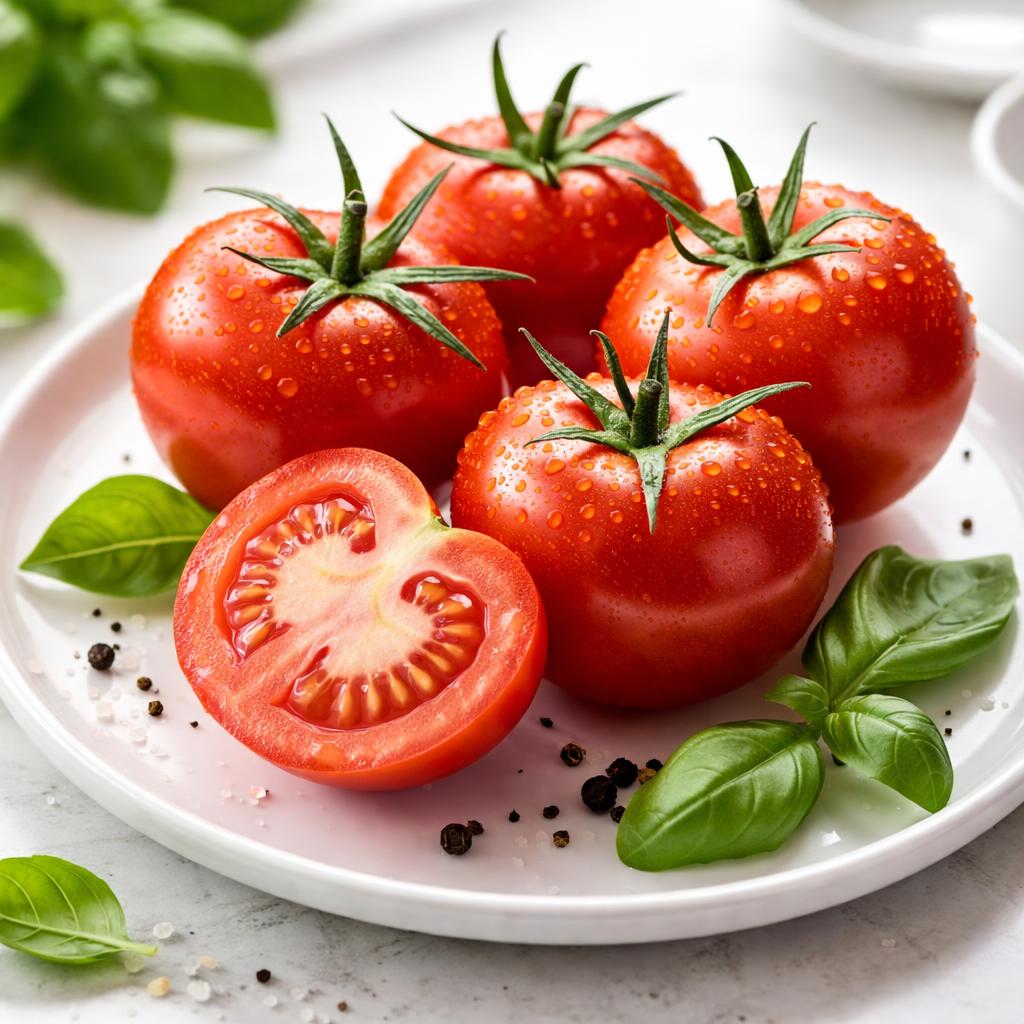
Tomato
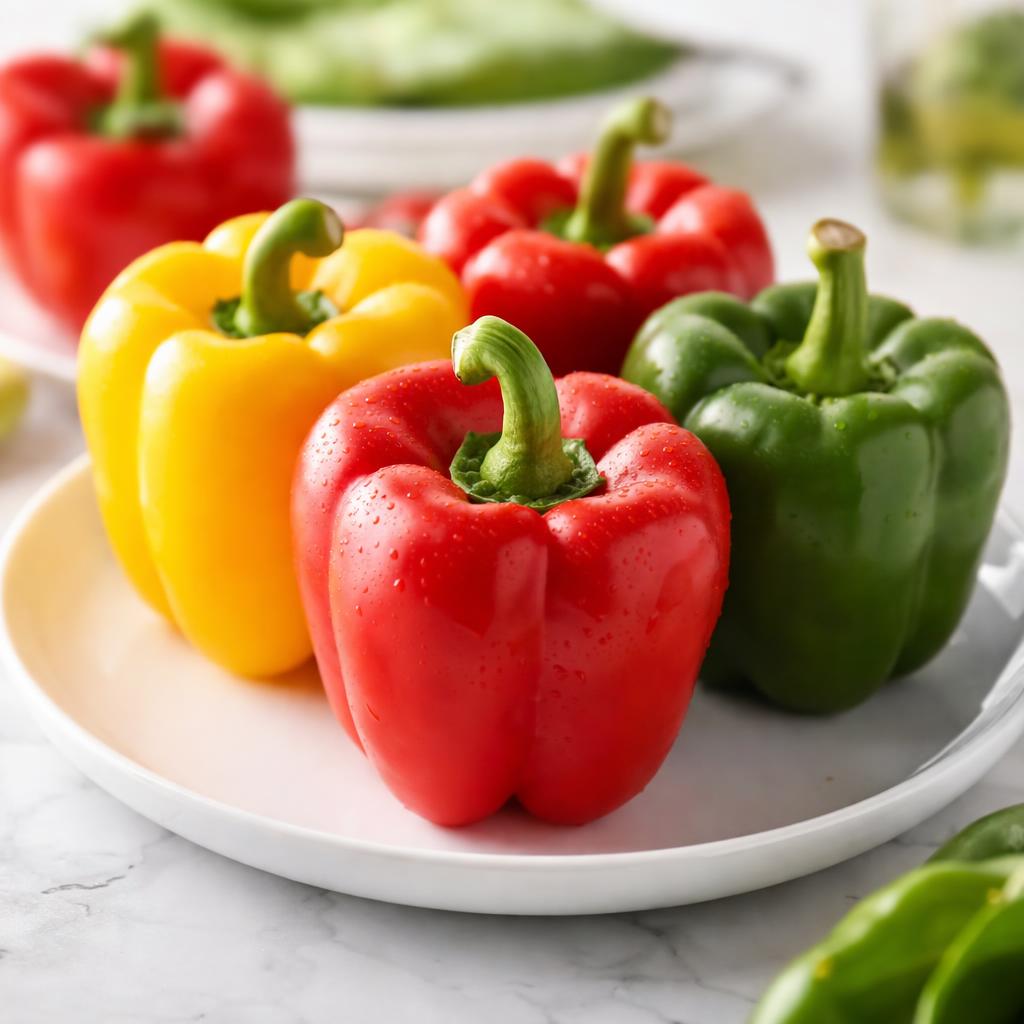
Capsicum
🎯 Quick Verdict
Tomatoes are lower in calories and contribute vitamin C and lycopene, which support immune and skin health. Capsicum offers more fiber and vitamin A, making it better for eye health and digestive health. Both are versatile vegetables suitable for most diets, but capsicum has a slight edge in overall nutrient density.

Smart Nutrition Tracking with SnapCalorie

📊 Nutritional Comparison
Macronutrients
| Nutrient | Food 1 | Food 2 | Winner |
|---|---|---|---|
| Calories | 18 | 20 | − |
| Protein | 0.9g | 0.9g | − |
| Carbs | 3.9g | 4.6g | ✓ |
| Fat | 0.2g | 0.3g | − |
| Fiber | 1.2g | 2g | ✓ |
Vitamins & Minerals
| Nutrient | Food 1 | Food 2 | Winner |
|---|---|---|---|
| Vitamin A | 42mcg | 157mcg | − |
| Vitamin C | 23mg | 80mg | − |
| Calcium | 10mg | 12mg | − |
| Iron | 0.2mg | 0.3mg | − |
🏆 Category Winners
Protein
Both tomato and capsicum contain 0.9g of protein per 100g.
Fiber
Capsicum contains nearly double the fiber compared to tomatoes.
Calories
Both foods have very low calorie counts, making them suitable for weight loss.
Vitamins
Capsicum provides significantly more vitamin A, vitamin C, and slightly more calcium and iron than tomatoes.
🥗 Diet Compatibility
Keto
Food 1: Compatible
Food 2: Compatible
Both tomatoes and capsicums are low-carb and fit keto guidelines.
Vegan
Food 1: Compatible
Food 2: Compatible
Both foods are plant-based, suitable for vegan diets.
Gluten Free
Food 1: Compatible
Food 2: Compatible
Neither tomatoes nor capsicums contain gluten.
Paleo
Food 1: Compatible
Food 2: Compatible
Whole vegetables like tomatoes and capsicums align with paleo diet principles.
Low-Carb
Food 1: Compatible
Food 2: Compatible
Both are low in carbs, though tomato has slightly less carbs than capsicum.
💪 Health Benefits Comparison
Food 1 Benefits
- Rich in lycopene, an antioxidant that supports heart health and skin health.
- High in vitamin C, boosting the immune system.
- Low in calories, aiding weight control.
Food 2 Benefits
- High in fiber, promoting digestive health.
- Excellent source of vitamin A for vision and skin health.
- Rich in vitamin C, aiding immunity and collagen production.
✅ The Bottom Line
Choose tomatoes when looking for immunity-boosting lycopene and a very low-calorie option. Pick capsicum for higher fiber and more vitamin A and C, especially if focusing on digestive and vision health.
Choose Food 1 for: Heart health, weight loss, skin health
Choose Food 2 for: Digestive health, vision support, immune health


