Tomato VS Bulgur
A detailed nutritional comparison
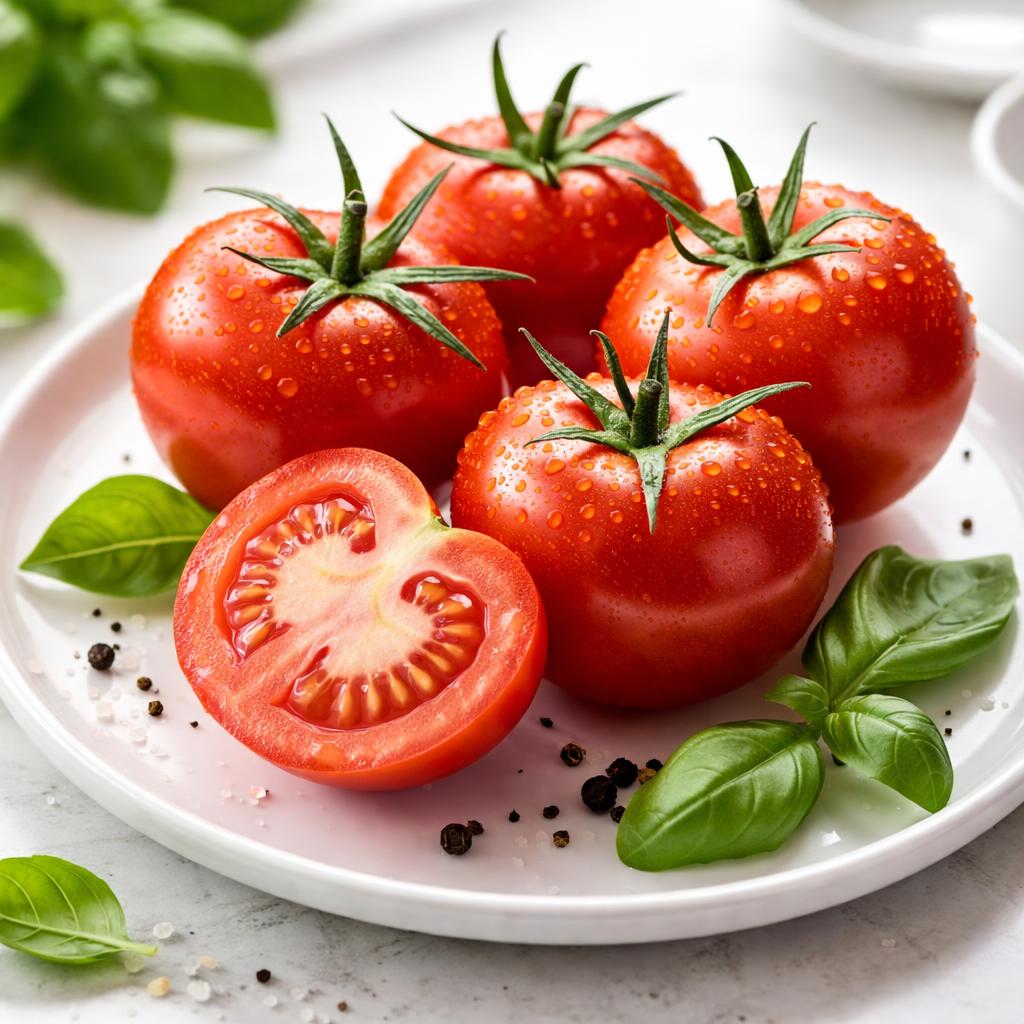
Tomato
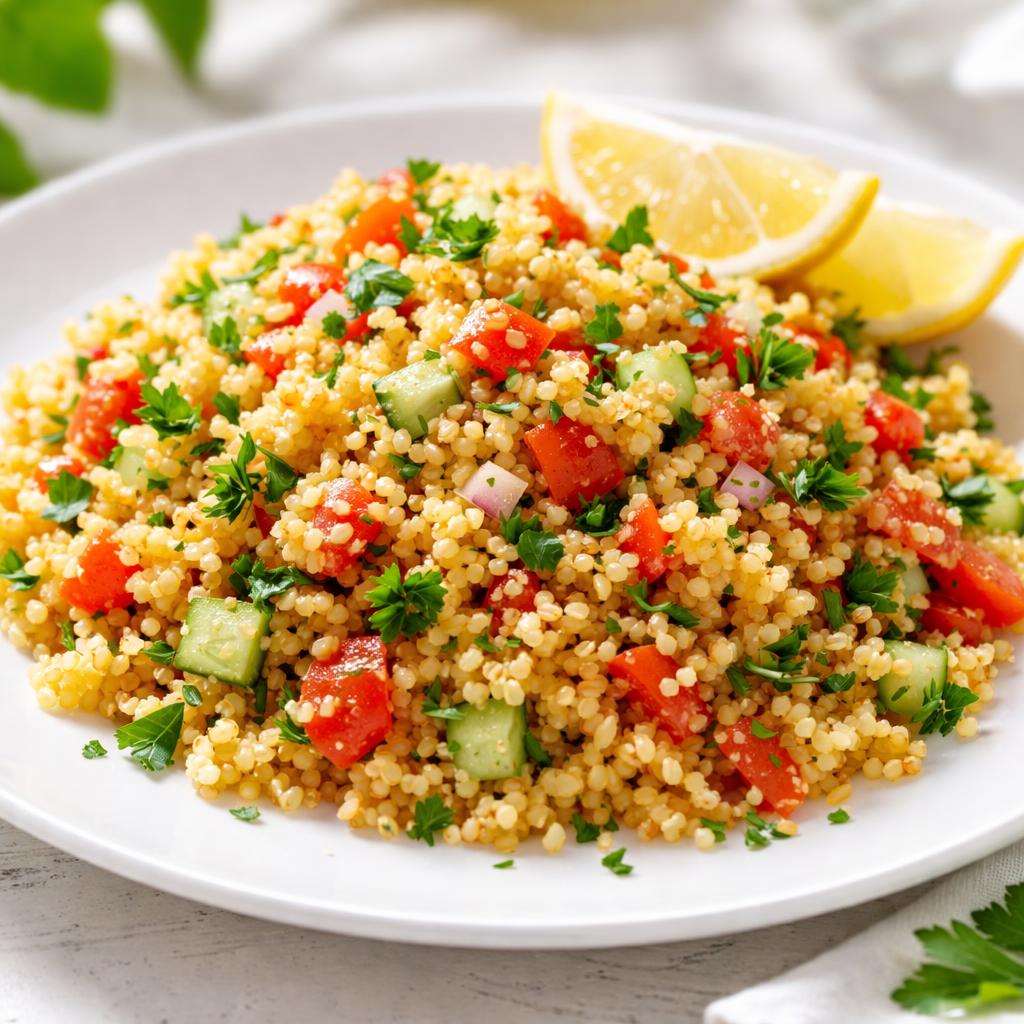
Bulgur
🎯 Quick Verdict
Tomatoes are a low-calorie, hydrating food with minimal macronutrients but high in vitamin C and antioxidants. Bulgur, on the other hand, is a nutrient-dense grain offering significantly more protein, fiber, and complex carbohydrates, making it ideal for sustained energy. Tomatoes work well for hydration and light snacks, while bulgur is better suited for hearty meals and nutritional sustenance.

Smart Nutrition Tracking with SnapCalorie

📊 Nutritional Comparison
Macronutrients
| Nutrient | Food 1 | Food 2 | Winner |
|---|---|---|---|
| Calories | 18 per 100g | 83 per 100g | ✓ |
| Protein | 0.9g per 100g | 3.1g per 100g | ✓ |
| Carbs | 3.9g per 100g | 18.6g per 100g | ✓ |
| Fat | 0.2g per 100g | 0.4g per 100g | ✓ |
| Fiber | 1.2g per 100g | 4.5g per 100g | ✓ |
Vitamins & Minerals
| Nutrient | Food 1 | Food 2 | Winner |
|---|---|---|---|
| Vitamin C | 13.7mg per 100g | 0.2mg per 100g | ✓ |
| Vitamin A | 833 IU per 100g | 9 IU per 100g | ✓ |
| Folate | 15mcg per 100g | 22mcg per 100g | ✓ |
| Iron | 0.27mg per 100g | 1.75mg per 100g | ✓ |
🏆 Category Winners
Protein
Bulgur has over 3 times the protein content of tomatoes per 100g.
Fiber
Bulgur contains nearly 4 times more fiber than tomatoes.
Calories
Tomatoes are extremely low in calories compared to bulgur.
Vitamins
Tomatoes are richer in vitamin C and vitamin A, both key for immunity and vision health.
🥗 Diet Compatibility
Keto
Food 1: Compatible
Food 2: Not Compatible
Tomatoes are low-carb (3.9g per serving), while bulgur is higher in carbohydrates.
Vegan
Food 1: Compatible
Food 2: Compatible
Both foods are plant-based.
Gluten Free
Food 1: Compatible
Food 2: Not Compatible
Bulgur is made from wheat and contains gluten, while tomatoes do not.
Paleo
Food 1: Compatible
Food 2: Not Compatible
Tomatoes fit paleo guidelines, whereas grains like bulgur do not.
Low Carb
Food 1: Compatible
Food 2: Not Compatible
Tomatoes are low in carbs, while bulgur has higher carb content.
💪 Health Benefits Comparison
Food 1 Benefits
- Excellent source of vitamin C for immune boosting and skin health.
- Rich in antioxidants, such as lycopene, which may support heart health.
- Light, hydrating food to aid in maintaining hydration levels.
Food 2 Benefits
- High in fiber to improve digestion and promote gut health.
- Provides complex carbohydrates for sustained energy release.
- Contains iron to help with red blood cell production and preventing anemia.
✅ The Bottom Line
Choose tomatoes for low-calorie snacks, hydration, and as a vitamin-rich addition to light meals. Opt for bulgur when aiming for sustained energy, fiber content, and protein in nutritious meals. Tomatoes are better for weight loss or keto-friendly diets, while bulgur excels in nutrient density for plant-based eaters or those needing higher carbohydrate intake.
Choose Food 1 for: Weight loss, hydration, vitamin C intake
Choose Food 2 for: High fiber meals, sustained energy, plant-based diets


