Tomato VS Basil
A detailed nutritional comparison
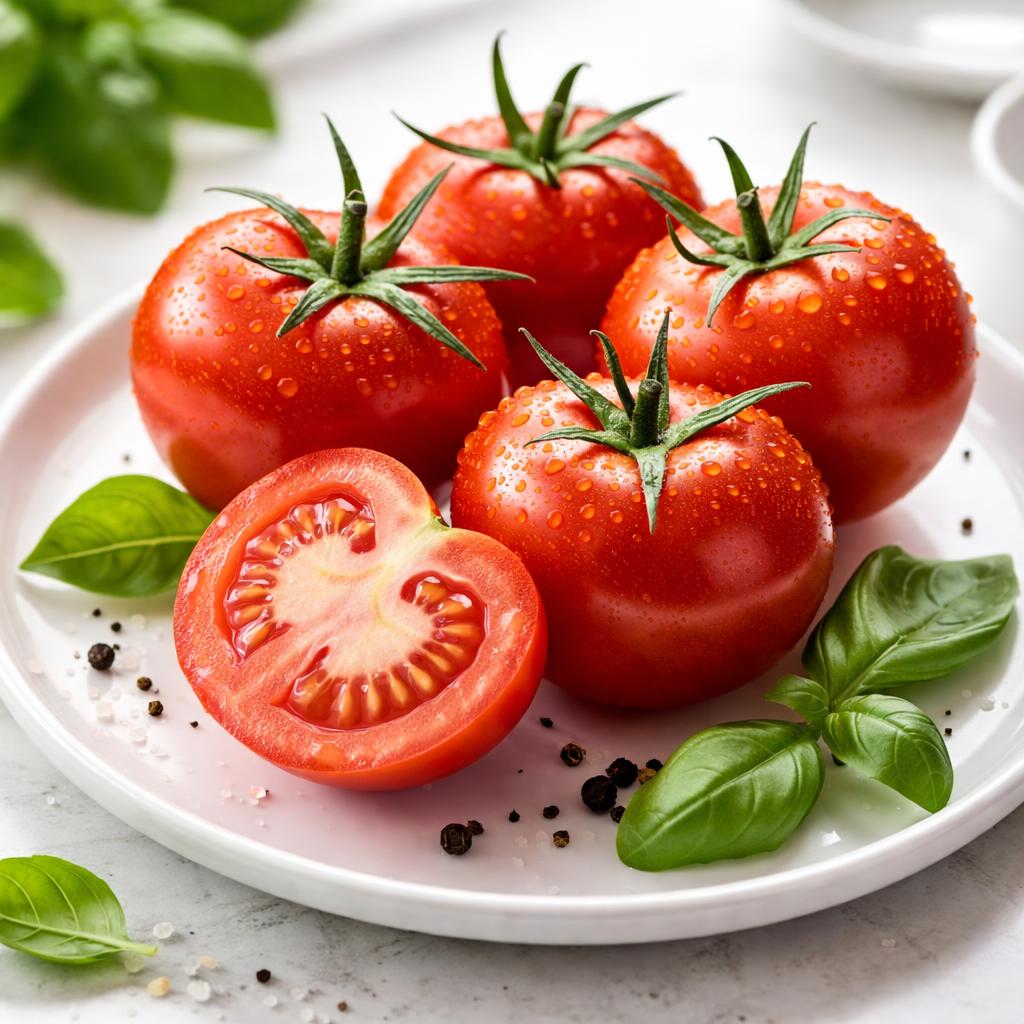
Tomato
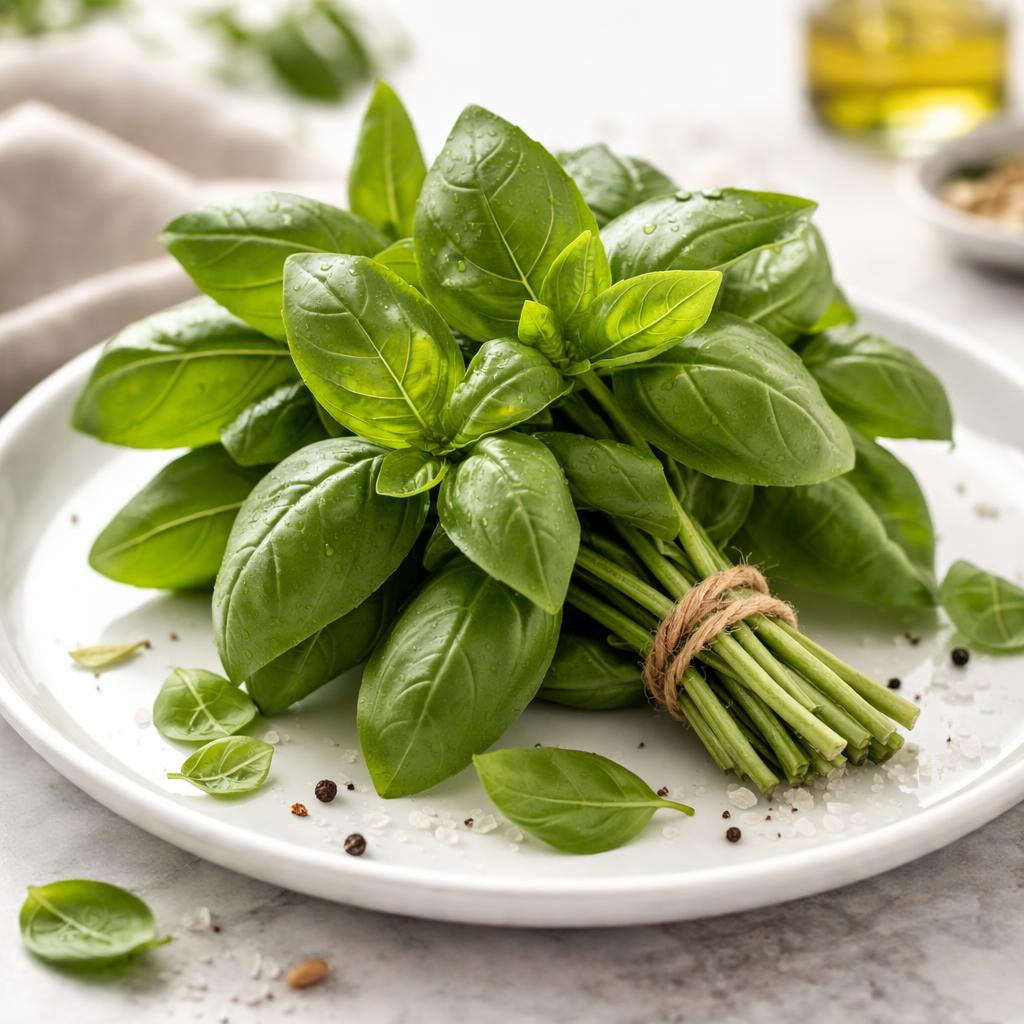
Basil
🎯 Quick Verdict
Tomatoes and basil provide very different nutritional benefits despite both being low-calorie options. Tomatoes are higher in fiber, vitamin C, and potassium, making them ideal for digestion and immune health. Basil, on the other hand, is richer in protein and vitamin K and serves as a concentrated nutrient-dense herb for flavor enhancement and general wellness.

Smart Nutrition Tracking with SnapCalorie

📊 Nutritional Comparison
Macronutrients
| Nutrient | Food 1 | Food 2 | Winner |
|---|---|---|---|
| Calories | 18 (per 100g) | 22 (per 100g) | − |
| Protein | 0.9g | 3.2g | ✓ |
| Carbs | 3.9g | 2.7g | ✓ |
| Fat | 0.2g | 0.6g | ✓ |
| Fiber | 1.2g | 1.1g | ✓ |
Vitamins & Minerals
| Nutrient | Food 1 | Food 2 | Winner |
|---|---|---|---|
| Vitamin C | 18mg | 0.2mg | ✓ |
| Vitamin K | 9.3mcg | 414mcg | ✓ |
| Potassium | 237mg | 295mg | ✓ |
| Calcium | 10mg | 177mg | ✓ |
🏆 Category Winners
Protein
Basil contains over 3.5 times more protein than tomatoes, making it the nutrient-dense option for this category.
Fiber
Tomatoes have slightly more fiber (1.2g vs 1.1g) than basil per 100g.
Calories
Both foods are extremely low in calories and are nearly equal in this category.
Vitamins
Basil excels in minerals like calcium and potassium as well as a dramatically higher level of vitamin K.
🥗 Diet Compatibility
Keto
Food 1: Compatible
Food 2: Compatible
Both foods are low-carb and suitable for a ketogenic lifestyle.
Vegan
Food 1: Compatible
Food 2: Compatible
Both are plant-based and fit vegan dietary guidelines.
Gluten Free
Food 1: Compatible
Food 2: Compatible
Neither food contains gluten, making both safe for those avoiding gluten.
Paleo
Food 1: Compatible
Food 2: Compatible
Both foods are natural, whole ingredients that are favored in paleo eating.
Low Carb
Food 1: Compatible
Food 2: Compatible
Both foods are low in carbs, with food2 being slightly lower per serving.
💪 Health Benefits Comparison
Food 1 Benefits
- Rich in vitamin C for immune support and skin health
- Good source of potassium to regulate blood pressure
- Provides antioxidants like lycopene for heart health
- Low in calories and aids in weight management
Food 2 Benefits
- Excellent source of vitamin K for bone health and blood clotting
- Contains antioxidants to reduce inflammation and support overall well-being
- Provides healthy calcium and potassium for heart and muscle function
- Highly nutrient-dense and adds flavor with minimal calories
✅ The Bottom Line
Tomatoes are better for general use due to their versatility, higher fiber content, and vitamin C levels, making them ideal for immunity and digestion. Basil shines as a nutritional powerhouse for its concentrated nutrients, particularly vitamin K and calcium, and is best used as a flavor-enhancing herb with added health benefits.
Choose Food 1 for: Immune health, digestion, hydration, low-calorie diets
Choose Food 2 for: Bone health, anti-inflammatory diets, flavoring dishes with added nutrients


