Sushi Rice VS Whole Bread
A detailed nutritional comparison
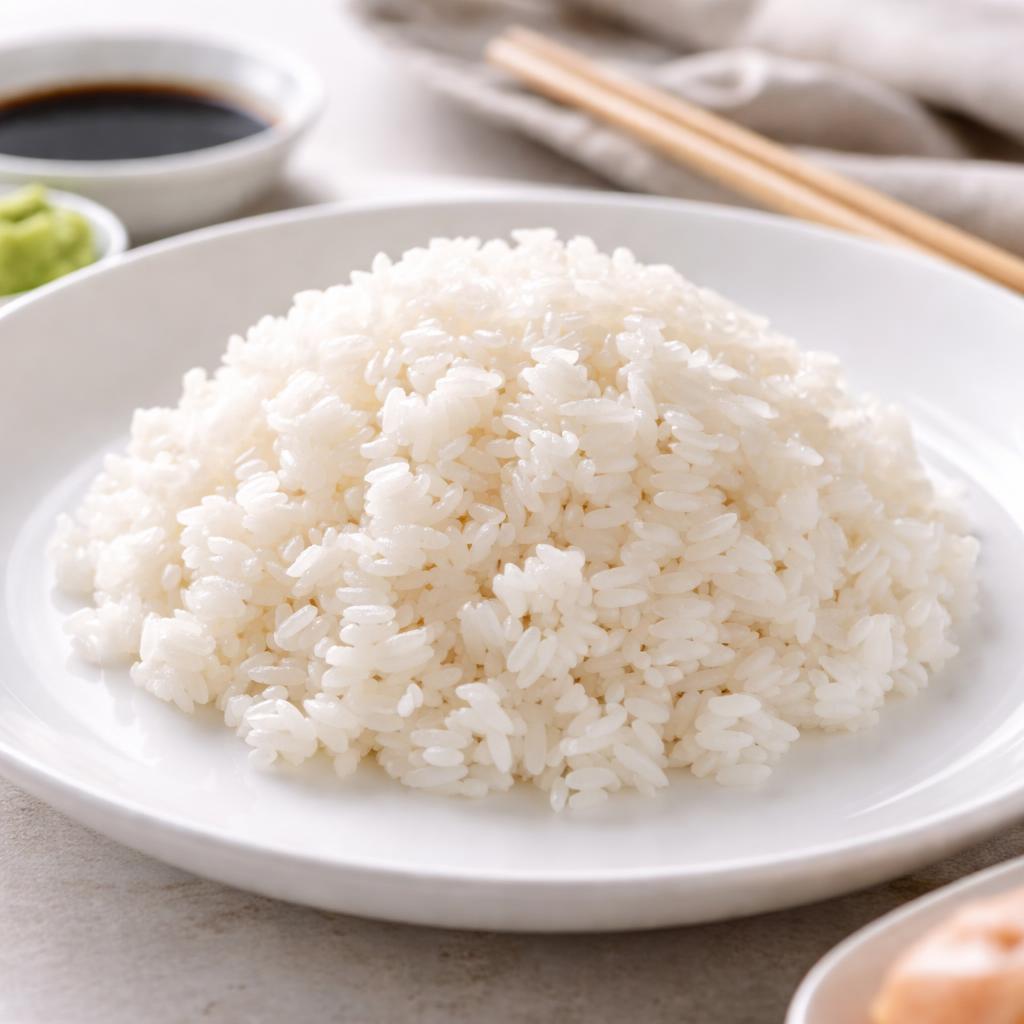
Sushi Rice
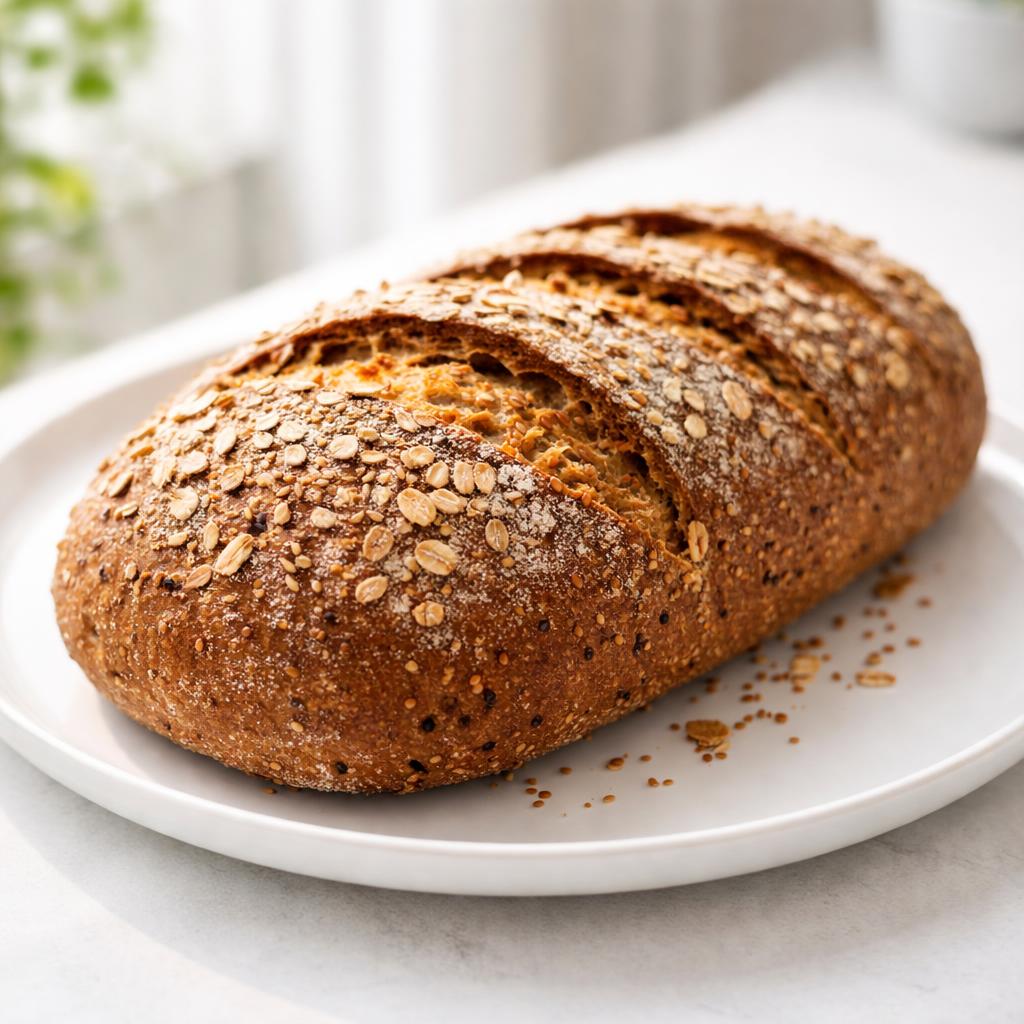
Whole Bread
🎯 Quick Verdict
Whole bread outshines sushi rice in terms of protein and fiber content, making it more suitable for muscle building and digestive health. Sushi rice, on the other hand, is lower in calories and fat, making it a better choice for diets focused on calorie control. Whole bread is ideal for nutrient density, while sushi rice serves well for balanced, lighter meals.

Smart Nutrition Tracking with SnapCalorie

📊 Nutritional Comparison
Macronutrients
| Nutrient | Food 1 | Food 2 | Winner |
|---|---|---|---|
| Calories | 130 per 100g | 250 per 100g | ✓ |
| Protein | 2g per 100g | 9g per 100g | ✓ |
| Carbs | 28g per 100g | 43g per 100g | ✓ |
| Fat | 0.5g per 100g | 3g per 100g | ✓ |
| Fiber | 0.4g per 100g | 7g per 100g | ✓ |
Vitamins & Minerals
| Nutrient | Food 1 | Food 2 | Winner |
|---|---|---|---|
| Vitamin B6 | 0mg | 0.3mg | ✓ |
| Iron | 0.2mg | 3mg | ✓ |
| Calcium | 0mg | 100mg | ✓ |
🏆 Category Winners
Protein
Whole bread contains 350% more protein per 100g.
Fiber
Whole bread is nearly 20x higher in fiber content per serving.
Calories
Sushi rice has almost half the calories per 100g as whole bread.
🥗 Diet Compatibility
Keto
Food 1: Not Compatible
Food 2: Not Compatible
Both foods are high-carb.
Vegan
Food 1: Compatible
Food 2: Compatible
Neither contains animal products.
Gluten Free
Food 1: Compatible
Food 2: Not Compatible
Sushi rice is gluten-free, while whole bread is not.
Paleo
Food 1: Not Compatible
Food 2: Not Compatible
Both foods are grains, which are excluded in paleo diets.
Low Carb
Food 1: Not Compatible
Food 2: Not Compatible
Both foods have high carbohydrate content.
💪 Health Benefits Comparison
Food 1 Benefits
- Low-calorie option for weight management
- Provides clean carbohydrates for energy
- Gluten-free suitable for individuals with intolerance
Food 2 Benefits
- Rich in protein for building and repairing muscles
- Excellent source of fiber for digestive health
- Higher content of essential minerals like iron and calcium
✅ The Bottom Line
Choose sushi rice if you need a gluten-free, low-calorie, quick source of energy for lighter meals. Opt for whole bread if you're looking for nutrient density and higher protein or fiber for a filling, balanced option.
Choose Food 1 for: Weight management, gluten-free diets, lighter meals
Choose Food 2 for: High-protein snacks, nutrient-dense meals, digestive health


