Sushi Rice VS Rice Crackers
A detailed nutritional comparison
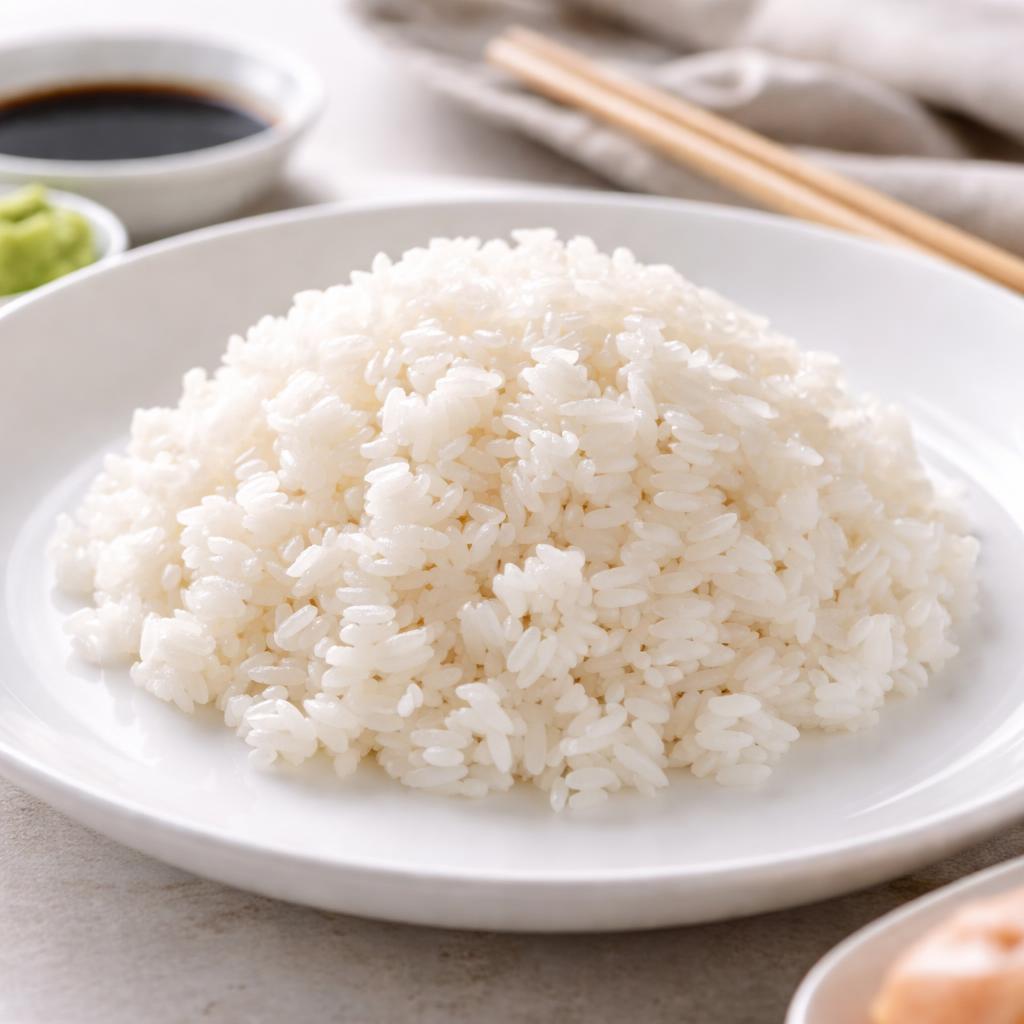
Sushi Rice
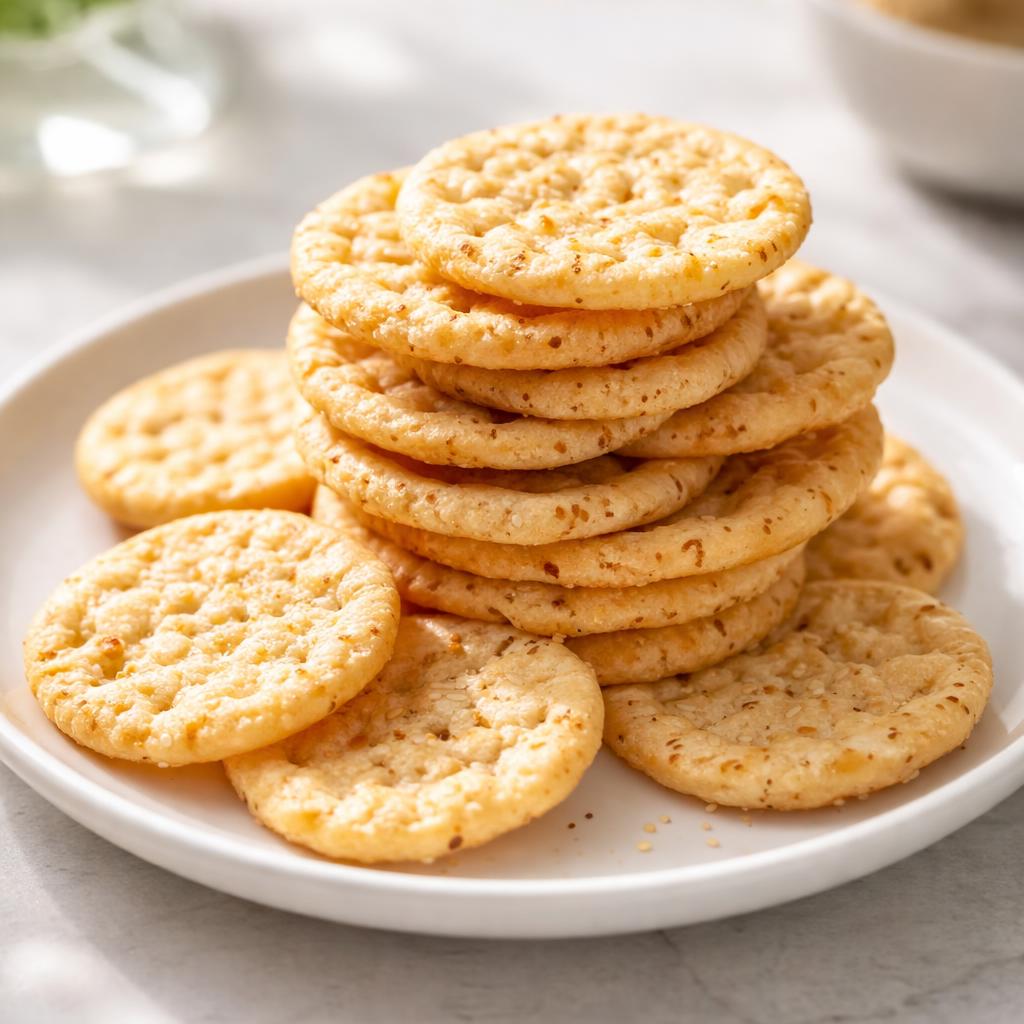
Rice Crackers
🎯 Quick Verdict
Rice crackers are lower in calories and slightly higher in fiber compared to sushi rice, making them a better snack option for weight management or quick energy boosts. Sushi rice, on the other hand, provides more sustained energy from complex carbs and pairs well with nutrient-dense toppings for meals like sushi rolls. Both are gluten-free and vegan-friendly but differ in their best use cases and nutrition profiles.

Smart Nutrition Tracking with SnapCalorie

📊 Nutritional Comparison
Macronutrients
| Nutrient | Food 1 | Food 2 | Winner |
|---|---|---|---|
| Calories | 160 per 1 cup (cooked) | 110 per 10 crackers (30g) | ✓ |
| Protein | 2g | 2g | − |
| Carbs | 36g | 24g | ✓ |
| Fat | 0g | 2g | ✓ |
| Fiber | 0.3g | 1g | ✓ |
Vitamins & Minerals
| Nutrient | Food 1 | Food 2 | Winner |
|---|---|---|---|
| Vitamin C | 0mg | 0mg | − |
| Calcium | 10mg | 15mg | ✓ |
| Iron | 0.1mg | 0.2mg | ✓ |
🏆 Category Winners
Protein
Both foods contain 2g of protein per serving.
Fiber
Rice crackers have over 3x the fiber content compared to sushi rice.
Calories
Rice crackers are lower in calories per serving.
Vitamins
Rice crackers provide slightly higher calcium and iron levels.
🥗 Diet Compatibility
Keto
Food 1: Not Compatible
Food 2: Not Compatible
Both foods are high in carbohydrates and not suitable for a ketogenic diet.
Vegan
Food 1: Compatible
Food 2: Compatible
Both are plant-based and vegan-friendly.
Gluten Free
Food 1: Compatible
Food 2: Compatible
Neither food contains gluten naturally.
Paleo
Food 1: Not Compatible
Food 2: Not Compatible
Both are processed grains and not suitable for a strict paleo diet.
Low-Carb
Food 1: Not Compatible
Food 2: Compatible
Rice crackers may be slightly more suitable for low-carb diets due to lower carb content per serving.
💪 Health Benefits Comparison
Food 1 Benefits
- Provides immediately available energy from carbs
- Pairs well with nutrient-dense foods like fish and vegetables
- Low in fat and sodium
Food 2 Benefits
- Convenient, lightweight snack option
- Higher in fiber for digestive health
- Low-calorie choice for quick energy with minimal fat content
✅ The Bottom Line
Choose rice crackers for snack purposes when you need a low-calorie, fiber-rich option. Sushi rice is better suited for meals where you want sustained energy and the versatility to pair with protein and vegetables. Your specific dietary goals will determine the better choice.
Choose Food 1 for: Meal preparation, sustained energy, versatile pairings
Choose Food 2 for: Weight management, light snacks, on-the-go options


