Sushi Rice VS Brown Rice And Quinoa
A detailed nutritional comparison
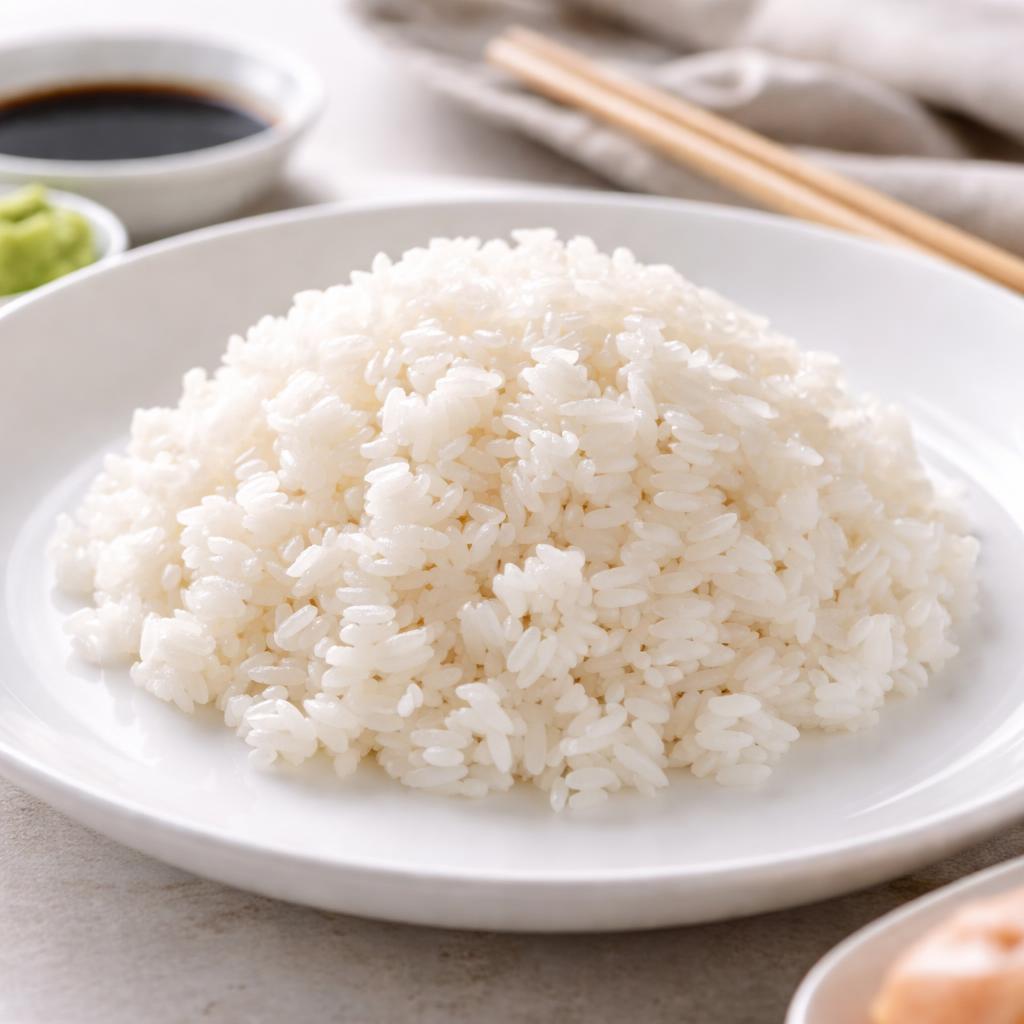
Sushi Rice
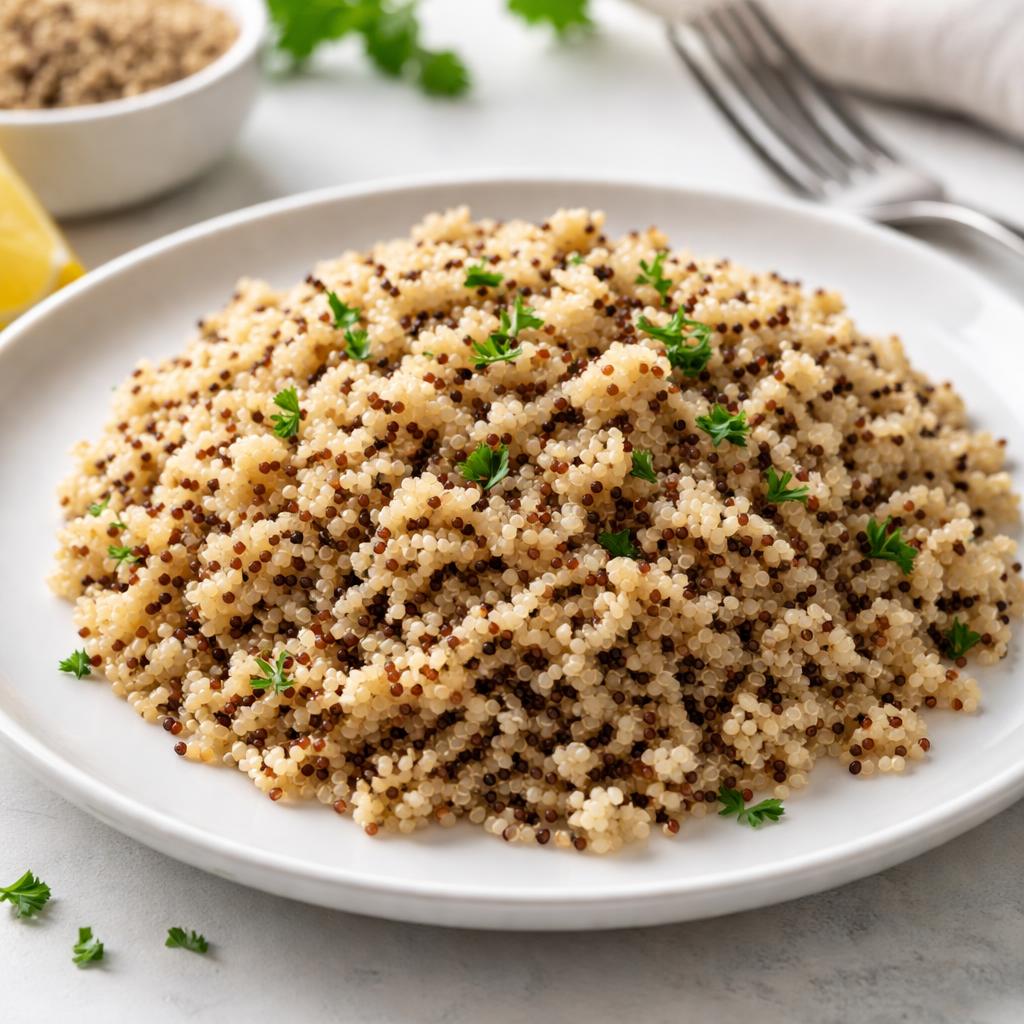
Brown Rice And Quinoa
🎯 Quick Verdict
Brown rice and quinoa offer higher protein and fiber content compared to sushi rice, making them a better choice for sustained energy and digestive health. Sushi rice is lower in calories and carbohydrates, making it better for controlled calorie diets or pairing with protein-rich toppings in sushi dishes.

Smart Nutrition Tracking with SnapCalorie

📊 Nutritional Comparison
Macronutrients
| Nutrient | Food 1 | Food 2 | Winner |
|---|---|---|---|
| Calories | 150 kcal per 100g | 120 kcal per 100g | ✓ |
| Protein | 2g per 100g | 4g per 100g | ✓ |
| Carbs | 33g per 100g | 25g per 100g | ✓ |
| Fat | 0.2g per 100g | 2g per 100g | ✓ |
| Fiber | 0.1g per 100g | 3g per 100g | ✓ |
Vitamins & Minerals
| Nutrient | Food 1 | Food 2 | Winner |
|---|---|---|---|
| Vitamin B1 (Thiamine) | 0.02mg per 100g | 0.1mg per 100g | ✓ |
| Magnesium | 12mg per 100g | 80mg per 100g | ✓ |
| Iron | 0.1mg per 100g | 2mg per 100g | ✓ |
🏆 Category Winners
Protein
Brown rice and quinoa offer double the protein compared to sushi rice.
Fiber
Food2 contains significantly more dietary fiber (3g vs 0.1g).
Calories
Brown rice and quinoa have 20% fewer calories per 100g.
Vitamins
Food2 contains higher levels of essential vitamins and minerals, including Iron and Magnesium.
🥗 Diet Compatibility
Keto
Food 1: Not Compatible
Food 2: Not Compatible
Both are high-carb and unsuitable for keto diets.
Vegan
Food 1: Compatible
Food 2: Compatible
Both are plant-based and vegan-friendly.
Gluten Free
Food 1: Compatible
Food 2: Compatible
Neither food contains gluten.
Paleo
Food 1: Not Compatible
Food 2: Partially Compatible
Quinoa may not align strictly with paleo diets, while brown rice and sushi rice are excluded.
Low-Carb
Food 1: Not Compatible
Food 2: Not Compatible
Both foods are high in carbohydrates.
💪 Health Benefits Comparison
Food 1 Benefits
- Low in calories, ideal for controlled calorie diets
- Source of quick energy for physically active individuals
- Pairable with nutrient-dense ingredients like seafood and vegetables
Food 2 Benefits
- Rich in dietary fiber for improved digestion
- Higher protein content to support muscle maintenance
- Good source of magnesium for bone and heart health
- Includes antioxidants to fight inflammation
✅ The Bottom Line
Sushi rice is a lower-calorie, low-fiber option best for pairing with high-protein toppings in sushi dishes. Brown rice and quinoa are high in protein, fiber, and micronutrients, making them more suitable for nutrient-dense meals and balanced diets.
Choose Food 1 for: Low-calorie diets, sushi dishes, quick energy meals
Choose Food 2 for: Digestive health, balanced diets, fiber-rich meals


