Stir-Fried Noodles VS Vegetable Rice
A detailed nutritional comparison
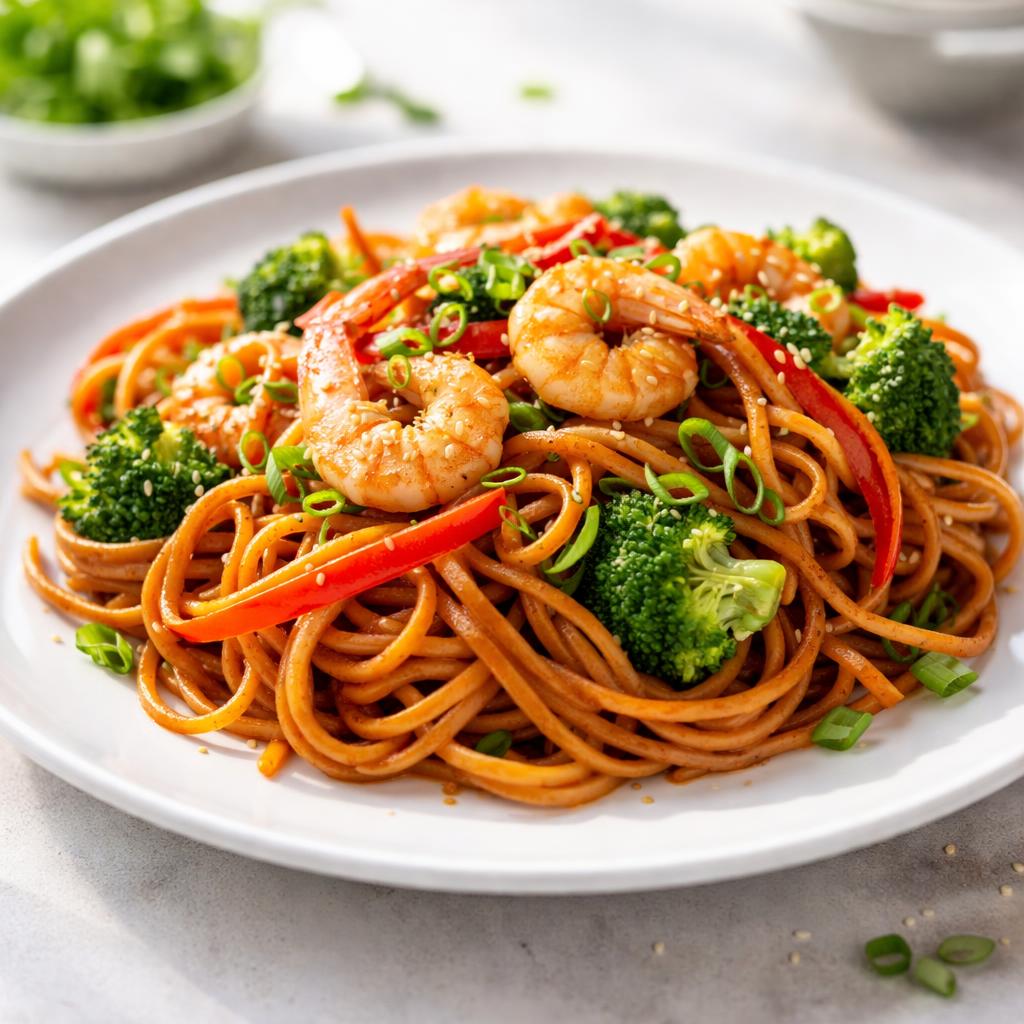
Stir-Fried Noodles
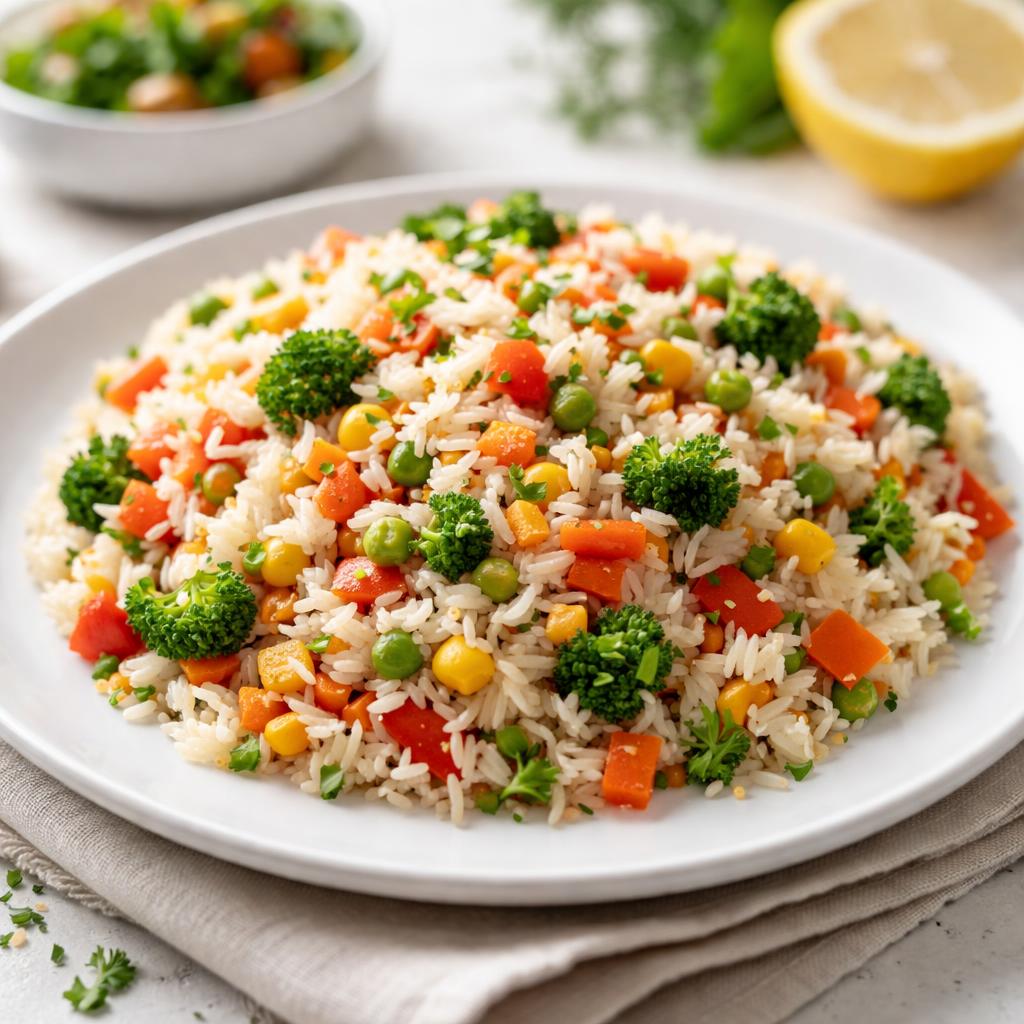
Vegetable Rice
🎯 Quick Verdict
Vegetable rice is slightly lower in calories and provides more fiber compared to stir-fried noodles, making it better for digestion and satiety. Stir-fried noodles offer comparable protein and slightly higher fat content, which can provide more immediate energy. Choose stir-fried noodles for a flavorful and filling meal, and vegetable rice for a lighter, nutrient-dense choice with added fiber.

Smart Nutrition Tracking with SnapCalorie

📊 Nutritional Comparison
Macronutrients
| Nutrient | Food 1 | Food 2 | Winner |
|---|---|---|---|
| Calories | 200 | 200 | − |
| Protein | 6g | 6g | − |
| Carbs | 30g | 35g | ✓ |
| Fat | 8g | 3g | ✓ |
| Fiber | 2g | 4g | ✓ |
Vitamins & Minerals
| Nutrient | Food 1 | Food 2 | Winner |
|---|---|---|---|
| Vitamin A | 20mcg | 30mcg | ✓ |
| Vitamin C | 5mg | 12mg | ✓ |
| Iron | 2mg | 1.5mg | ✓ |
🏆 Category Winners
Protein
Both foods provide equal amounts of protein per serving (6g).
Fiber
Food2 (vegetable rice) has double the fiber content of Food1.
Calories
Both foods contain approximately 200 calories per serving.
Vitamins
Vegetable rice is higher in Vitamin A and Vitamin C, enhancing its nutrient density.
🥗 Diet Compatibility
Keto
Food 1: Not Compatible
Food 2: Not Compatible
Both are high in carbs and not suitable for keto diets.
Vegan
Food 1: Compatible
Food 2: Compatible
Both are plant-based options.
Gluten Free
Food 1: Not Compatible
Food 2: Compatible
Stir-fried noodles may contain wheat, while vegetable rice is typically gluten-free.
Paleo
Food 1: Not Compatible
Food 2: Compatible
Vegetable rice aligns with paleo principles, while stir-fried noodles do not.
Low-Carb
Food 1: Not Compatible
Food 2: Not Compatible
Both are moderate-to-high in carbohydrates.
💪 Health Benefits Comparison
Food 1 Benefits
- Provides quick energy from carbohydrates
- Contains fats to support immediate energy needs
- Offers essential minerals like iron
Food 2 Benefits
- Rich in fiber for digestive health
- Good source of Vitamin C to support immunity
- Contains fewer fats and is lower calorie overall
✅ The Bottom Line
Vegetable rice comes out ahead for those seeking higher fiber and vitamins, especially Vitamin C and A, for overall nutrient density. Stir-fried noodles are better for a flavorful, filling meal with additional fat content that provides immediate energy. Both are suitable for vegans, but noodle dishes might not be ideal for gluten-free diets.
Choose Food 1 for: Flavorful meals, quick energy boost, post-workout carbs
Choose Food 2 for: Digestive health, nutrient-rich diets, light but filling meals


