Stir-Fried Noodles VS Mixed Rice
A detailed nutritional comparison
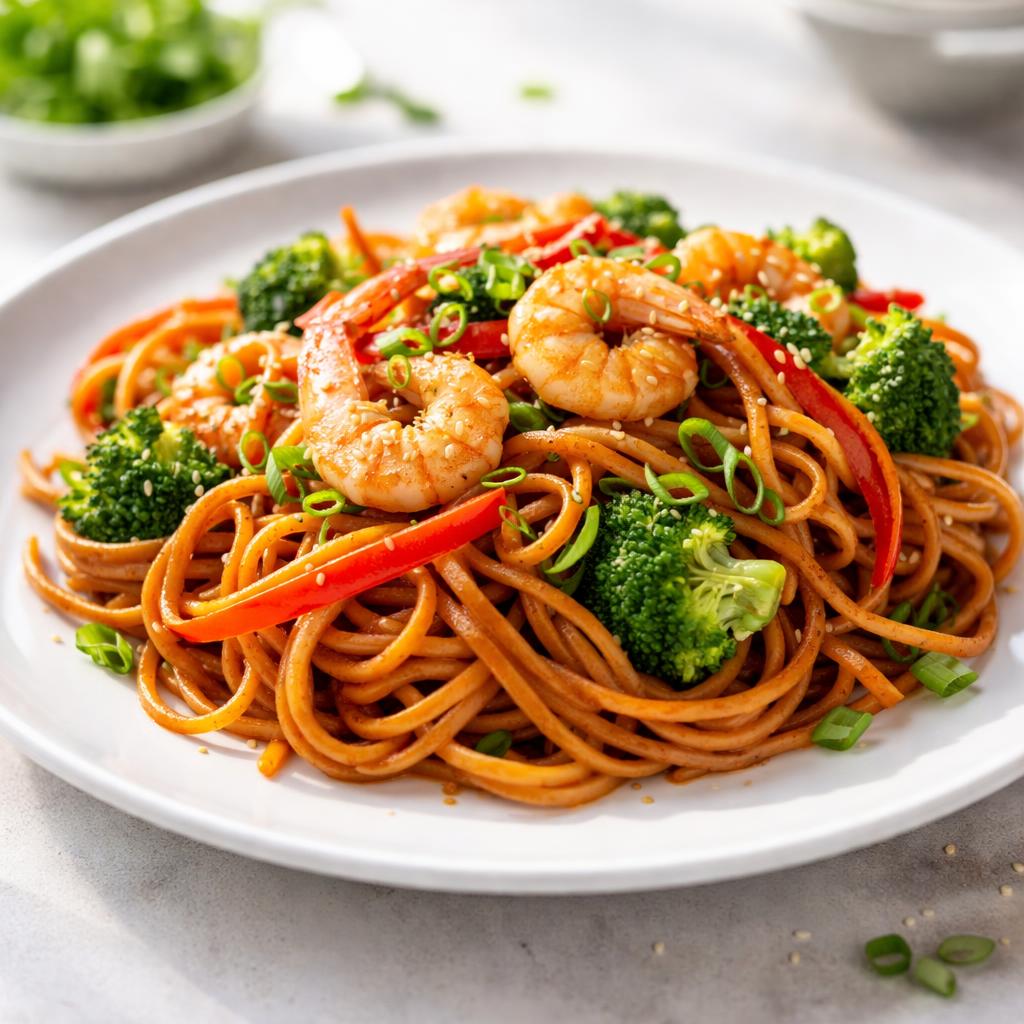
Stir-Fried Noodles
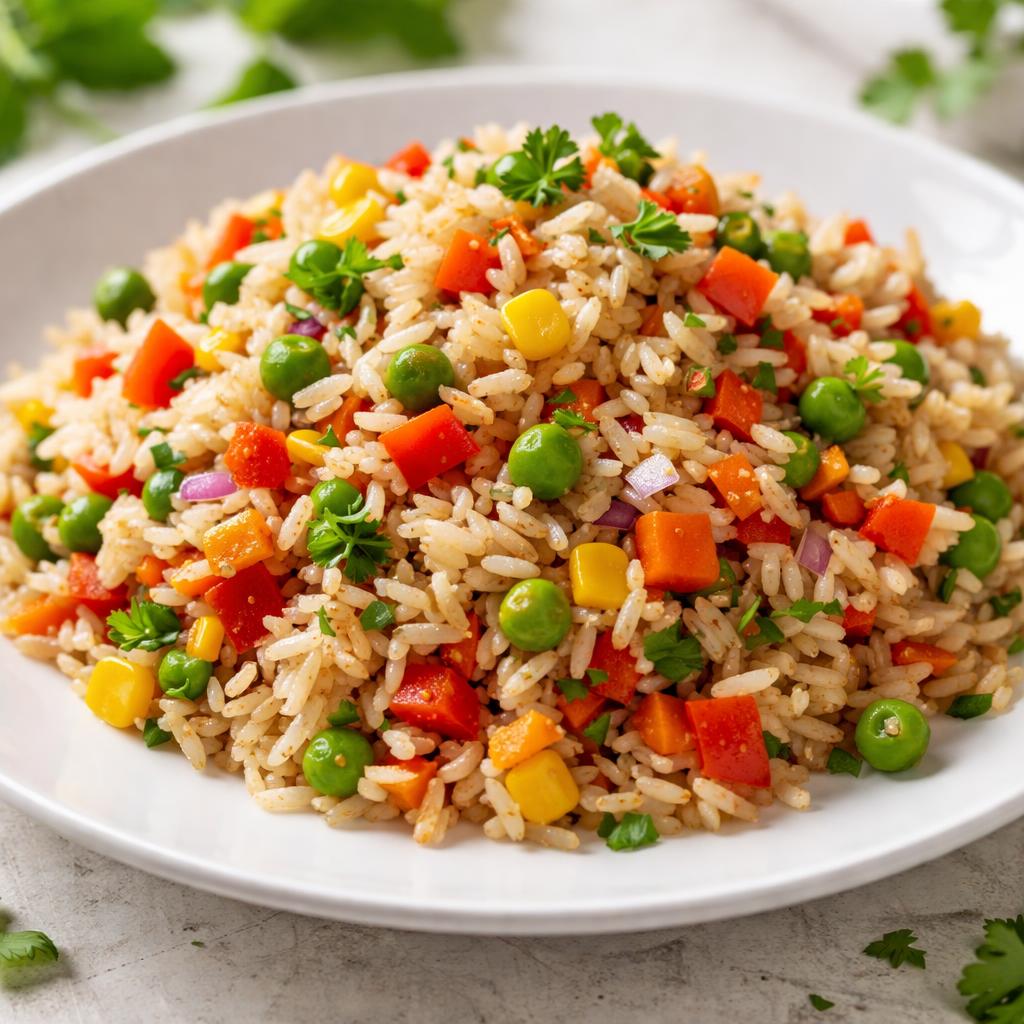
Mixed Rice
🎯 Quick Verdict
Mixed rice generally provides more protein and fiber with fewer calories compared to stir-fried noodles, making it a more nutrient-dense option. Stir-fried noodles, however, can be higher in fats due to added oils during cooking. Choose mixed rice for balanced meals or weight management, and opt for stir-fried noodles for higher energy needs or satisfying cravings.

Smart Nutrition Tracking with SnapCalorie

📊 Nutritional Comparison
Macronutrients
| Nutrient | Food 1 | Food 2 | Winner |
|---|---|---|---|
| Calories | 250 | 200 | ✓ |
| Protein | 7g | 8g | ✓ |
| Carbs | 35g | 44g | ✓ |
| Fat | 9g | 3g | ✓ |
| Fiber | 2g | 3g | ✓ |
Vitamins & Minerals
| Nutrient | Food 1 | Food 2 | Winner |
|---|---|---|---|
| Vitamin A | 10mcg | 5mcg | ✓ |
| Vitamin C | 2mg | 1mg | ✓ |
| Iron | 1.5mg | 2mg | ✓ |
🏆 Category Winners
Protein
Mixed rice edges ahead with slightly more protein per serving.
Fiber
It provides 50% more fiber than stir-fried noodles.
Calories
Mixed rice has about 20% fewer calories per serving.
Vitamins
Slightly higher in Vitamin A and Vitamin C.
🥗 Diet Compatibility
Keto
Food 1: Not Compatible
Food 2: Not Compatible
Both are high-carb foods.
Vegan
Food 1: Depends on preparation
Food 2: Depends on preparation
Both can be vegan if no animal-derived ingredients are added.
Gluten Free
Food 1: Not Compatible
Food 2: Compatible
Stir-fried noodles typically contain gluten unless gluten-free noodles are used.
Paleo
Food 1: Not Compatible
Food 2: Not Compatible
Both contain grains that are not paleo-friendly.
Low-Carb
Food 1: Not Compatible
Food 2: Not Compatible
Both foods are high in carbohydrates.
💪 Health Benefits Comparison
Food 1 Benefits
- Rich in energy for physical activities
- Provides Vitamin A and C for immunity
- Fat content helps with satiety
Food 2 Benefits
- High in fiber for digestive health
- Provides slightly more protein to support muscle repair
- Lower in fat, making it heart-friendly
✅ The Bottom Line
Stir-fried noodles and mixed rice both have unique strengths. Mixed rice is a more balanced, lower-calorie choice, ideal for weight management and higher fiber content. Stir-fried noodles can be a good option for those needing calorie-dense meals for energy or recovering from physical tasks.
Choose Food 1 for: Quick energy boost, satisfying cravings, indulgent meals
Choose Food 2 for: Weight management, long-lasting satiety, nutrient-dense meals


