Stir-Fried Noodles VS Glass Noodles
A detailed nutritional comparison
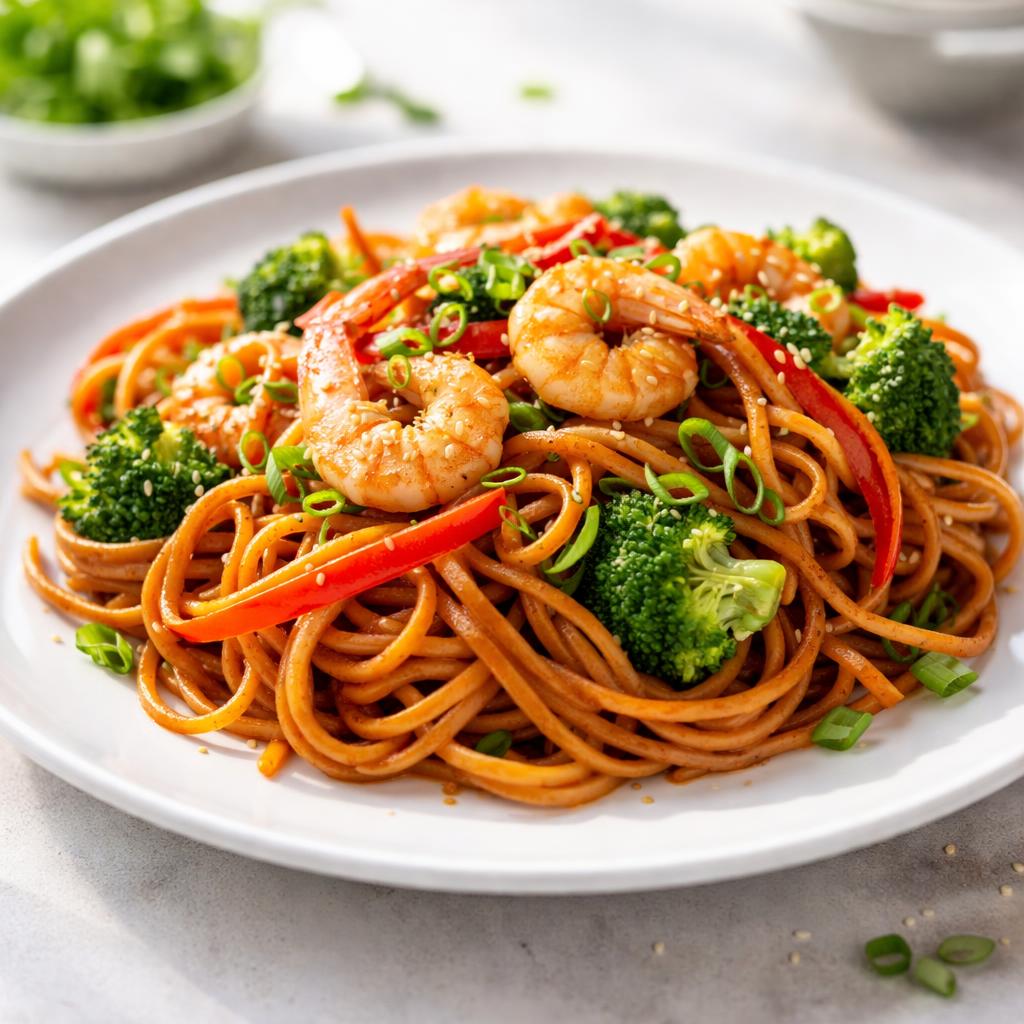
Stir-Fried Noodles
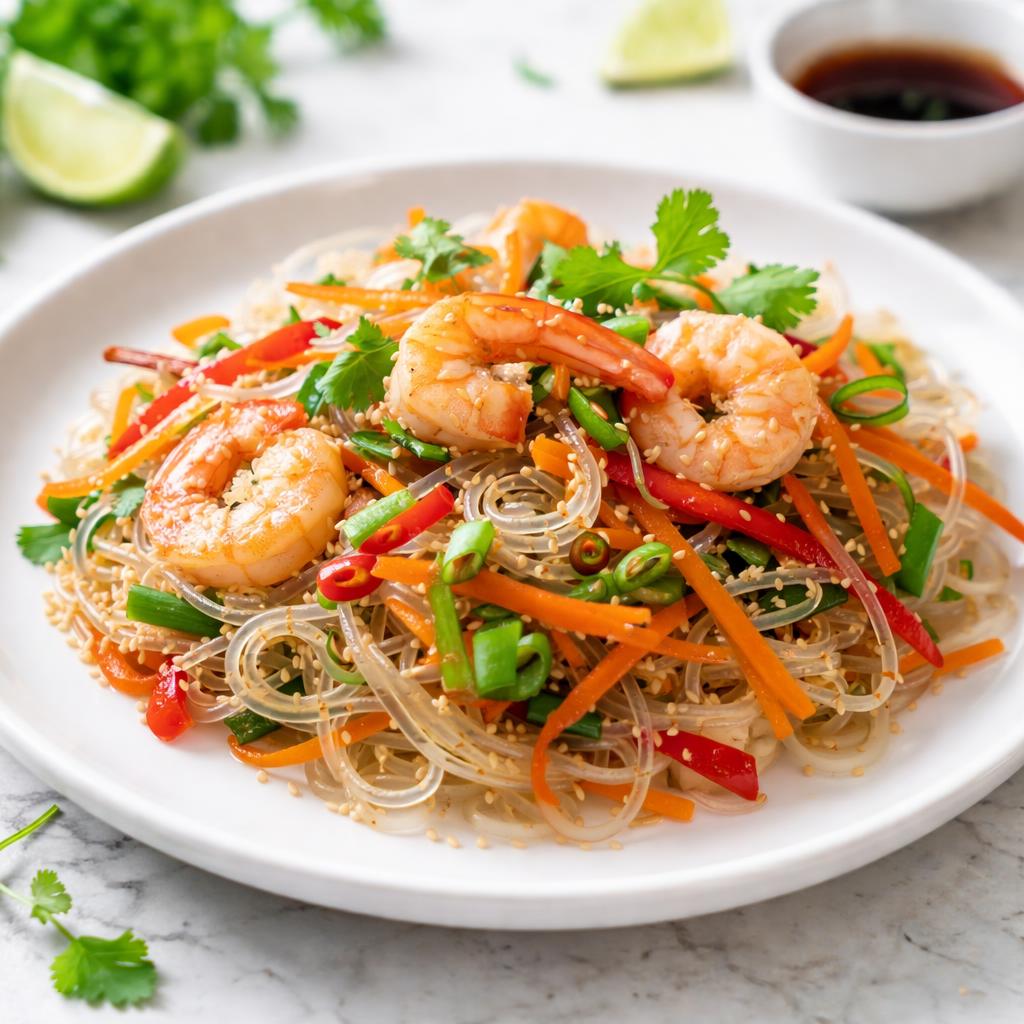
Glass Noodles
🎯 Quick Verdict
Food1 (stir-fried noodles) is higher in protein, fiber, and overall nutrient density due to added vegetables and protein sources in stir-fried recipes. Food2 (glass noodles) is lower in calories and carbs, making it suitable for weight-conscious diets or lighter meals. Choose food1 for post-workout recovery or balanced meals, and food2 for low-calorie or gluten-free diets.

Smart Nutrition Tracking with SnapCalorie

📊 Nutritional Comparison
Macronutrients
| Nutrient | Food 1 | Food 2 | Winner |
|---|---|---|---|
| Calories | 250 | 130 | ✓ |
| Protein | 10g | 1g | ✓ |
| Carbs | 35g | 30g | ✓ |
| Fat | 8g | 0g | ✓ |
| Fiber | 4g | 0g | ✓ |
Vitamins & Minerals
| Nutrient | Food 1 | Food 2 | Winner |
|---|---|---|---|
| Vitamin A | 150mcg | 0mcg | ✓ |
| Vitamin C | 5mg | 0mg | ✓ |
| Iron | 1.5mg | 0.3mg | ✓ |
🏆 Category Winners
Protein
Food1 provides significantly more protein thanks to typical stir-fried additions like meat, tofu, or eggs.
Fiber
Fiber comes from vegetables included in stir-fried noodle preparations.
Calories
Food2 contains almost 50% fewer calories per serving, making it ideal for calorie-conscious diets.
Vitamins
Food1 has diverse vitamin contributions, including Vitamin A and C from added vegetables.
🥗 Diet Compatibility
Keto
Food 1: Not Compatible
Food 2: Not Compatible
Both are primarily carb-based foods.
Vegan
Food 1: Possibly Compatible
Food 2: Compatible
Food1 may contain animal products depending on preparation, while food2 is plant-based.
Gluten Free
Food 1: Not Compatible
Food 2: Compatible
Glass noodles are typically made from gluten-free starches (e.g., mung bean or sweet potato).
Paleo
Food 1: Not Compatible
Food 2: Compatible
Glass noodles align more closely with paleo principles than stir-fried noodles.
Low-Carb
Food 1: Not Compatible
Food 2: Possibly Compatible
Food2 has fewer carbs but still remains relatively high to be strictly low-carb.
💪 Health Benefits Comparison
Food 1 Benefits
- Higher protein content supports muscle repair and maintenance.
- Rich in fiber for better digestion and satiety.
- Provides essential vitamins like Vitamin A and C which contribute to immunity and skin health.
Food 2 Benefits
- Low calorie content aids weight loss efforts.
- Gluten-free, making it suitable for individuals with gluten sensitivity or Celiac disease.
- Easy to digest and light on the stomach, making it suitable for simple meals.
✅ The Bottom Line
Food1 is best utilized for balanced meals and post-workout nutrition because of its higher protein and fiber content. Food2 is ideal for calorie-conscious diets, gluten-free eaters, and light meals. Both foods serve different purposes depending on dietary goals.
Choose Food 1 for: Post-workout recovery, hearty meals, higher nutrient density
Choose Food 2 for: Weight loss, gluten-free diets, simple or lighter meals


