Stir-Fried Noodles VS Dirty Rice
A detailed nutritional comparison
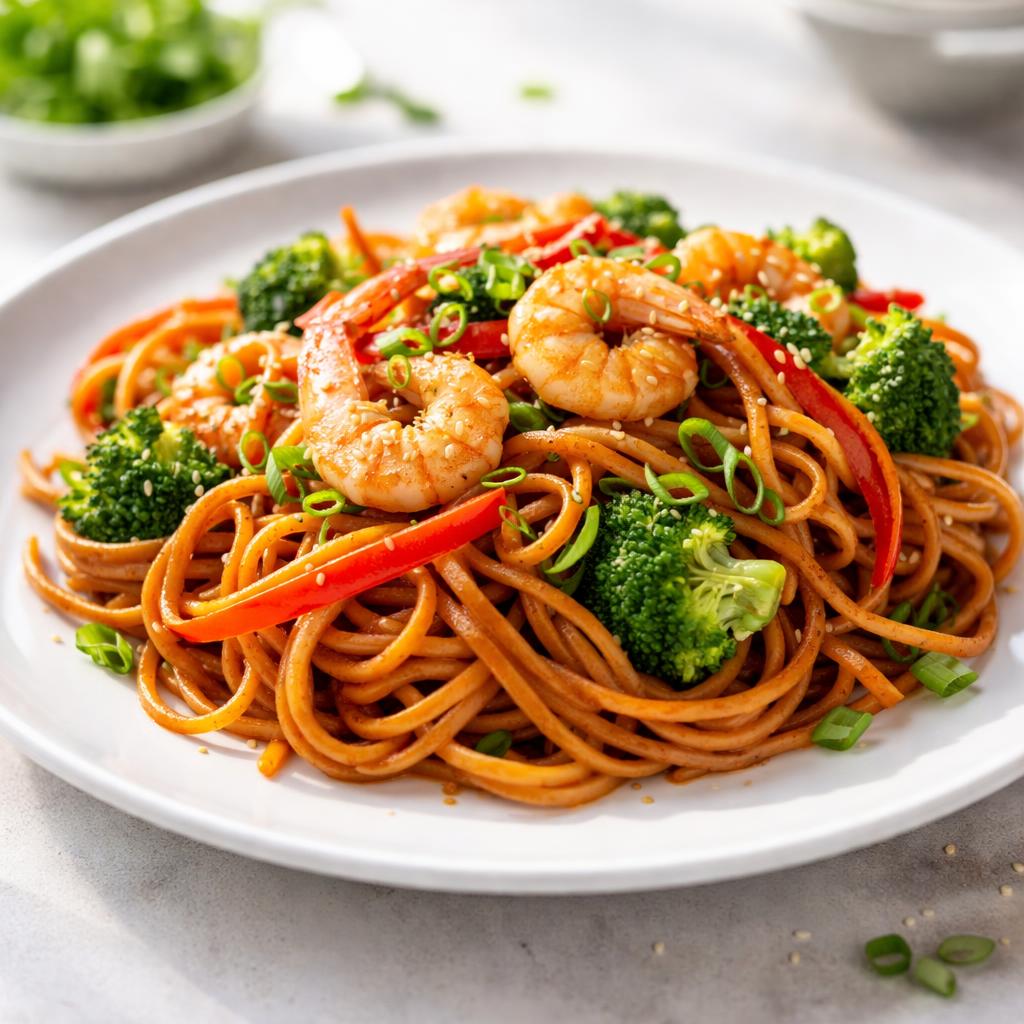
Stir-Fried Noodles
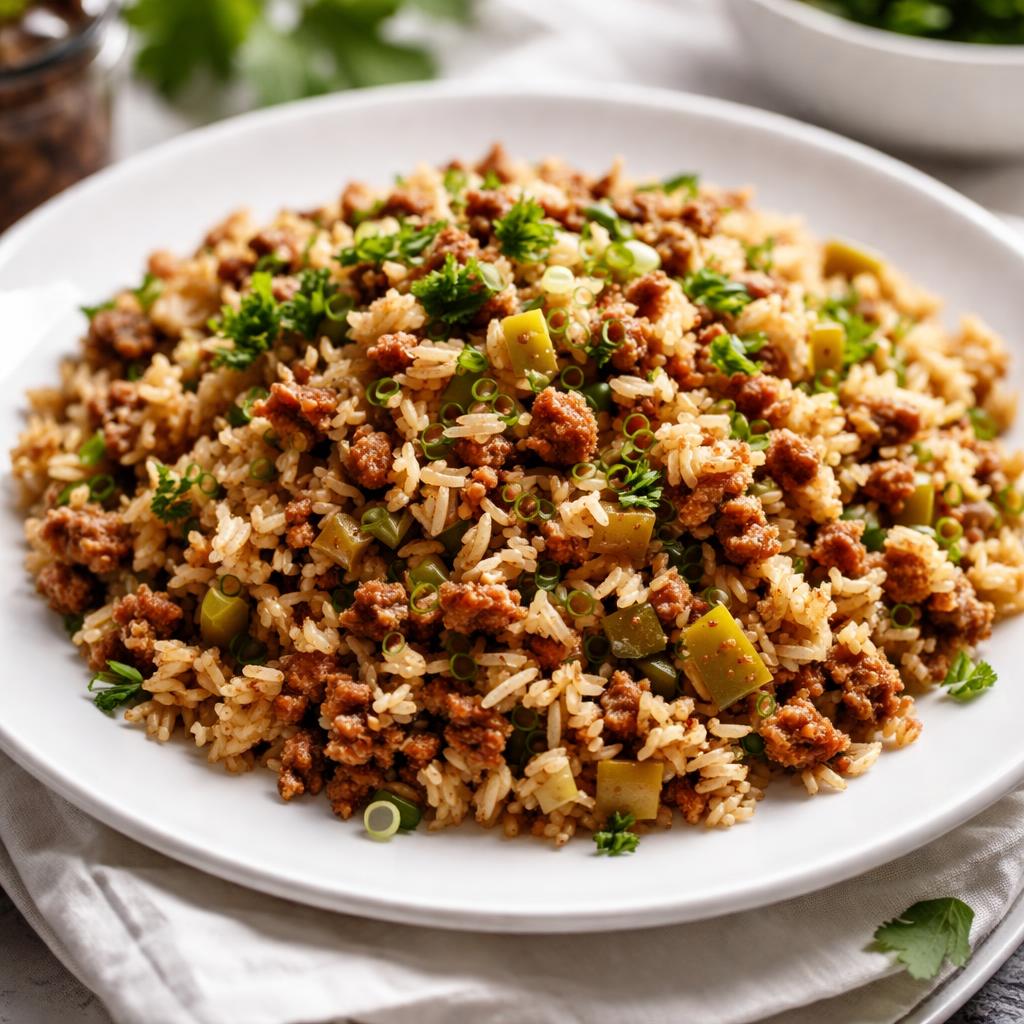
Dirty Rice
🎯 Quick Verdict
Stir-fried noodles are lower in calories and fat compared to dirty rice, making them a better choice for weight-conscious individuals. Dirty rice is higher in protein and fiber, offering benefits for muscle growth and digestive health. Both foods are versatile and flavorful, but their nutritional profiles suit different dietary priorities.

Smart Nutrition Tracking with SnapCalorie

📊 Nutritional Comparison
Macronutrients
| Nutrient | Food 1 | Food 2 | Winner |
|---|---|---|---|
| Calories | 220 | 290 | ✓ |
| Protein | 8g | 12g | ✓ |
| Carbs | 30g | 40g | ✓ |
| Fat | 6g | 10g | ✓ |
| Fiber | 2g | 4g | ✓ |
Vitamins & Minerals
| Nutrient | Food 1 | Food 2 | Winner |
|---|---|---|---|
| Vitamin B6 | 0.4mg | 0.7mg | ✓ |
| Folate | 50mcg | 80mcg | ✓ |
| Iron | 1mg | 3mg | ✓ |
🏆 Category Winners
Protein
Dirty rice contains 50% more protein per serving compared to stir-fried noodles.
Fiber
Dirty rice provides twice the fiber content, aiding digestion.
Calories
Stir-fried noodles have 24% fewer calories per serving.
Vitamins
Dirty rice is richer in key vitamins like Vitamin B6, folate, and iron.
🥗 Diet Compatibility
Keto
Food 1: Not Compatible
Food 2: Not Compatible
Both foods are high in carbohydrates.
Vegan
Food 1: Compatible
Food 2: Potentially Compatible
Stir-fried noodles with vegetables are vegan; dirty rice may contain meat or animal products unless adjusted.
Gluten Free
Food 1: Not Compatible
Food 2: Compatible
Stir-fried noodles typically contain wheat; dirty rice is usually made with gluten-free ingredients.
Paleo
Food 1: Not Compatible
Food 2: Not Compatible
Neither food aligns strongly with paleo guidelines due to processed ingredients.
Low-Carb
Food 1: Not Compatible
Food 2: Not Compatible
Both foods are relatively high in carbohydrates.
💪 Health Benefits Comparison
Food 1 Benefits
- Lower in calories supporting weight management
- Provides moderate protein for general muscle maintenance
- Versatile base for incorporating vegetables to increase micronutrients
Food 2 Benefits
- Higher protein content benefiting muscle repair and growth
- Rich in fiber supporting gut health
- Contains iron and folate essential for red blood cell production and energy
✅ The Bottom Line
Choose stir-fried noodles for a lighter meal or when looking for calorie-conscious options. Opt for dirty rice when prioritizing protein and fiber, such as post-workout recovery or for sustained energy. Both dishes can be adjusted to fit dietary preferences and nutritional goals.
Choose Food 1 for: Weight-conscious diets, customizable vegetable base, lighter meals
Choose Food 2 for: Protein-rich diets, post-workout recovery, nutrient-dense meals


