Steamed Rice VS Uncooked Rice
A detailed nutritional comparison
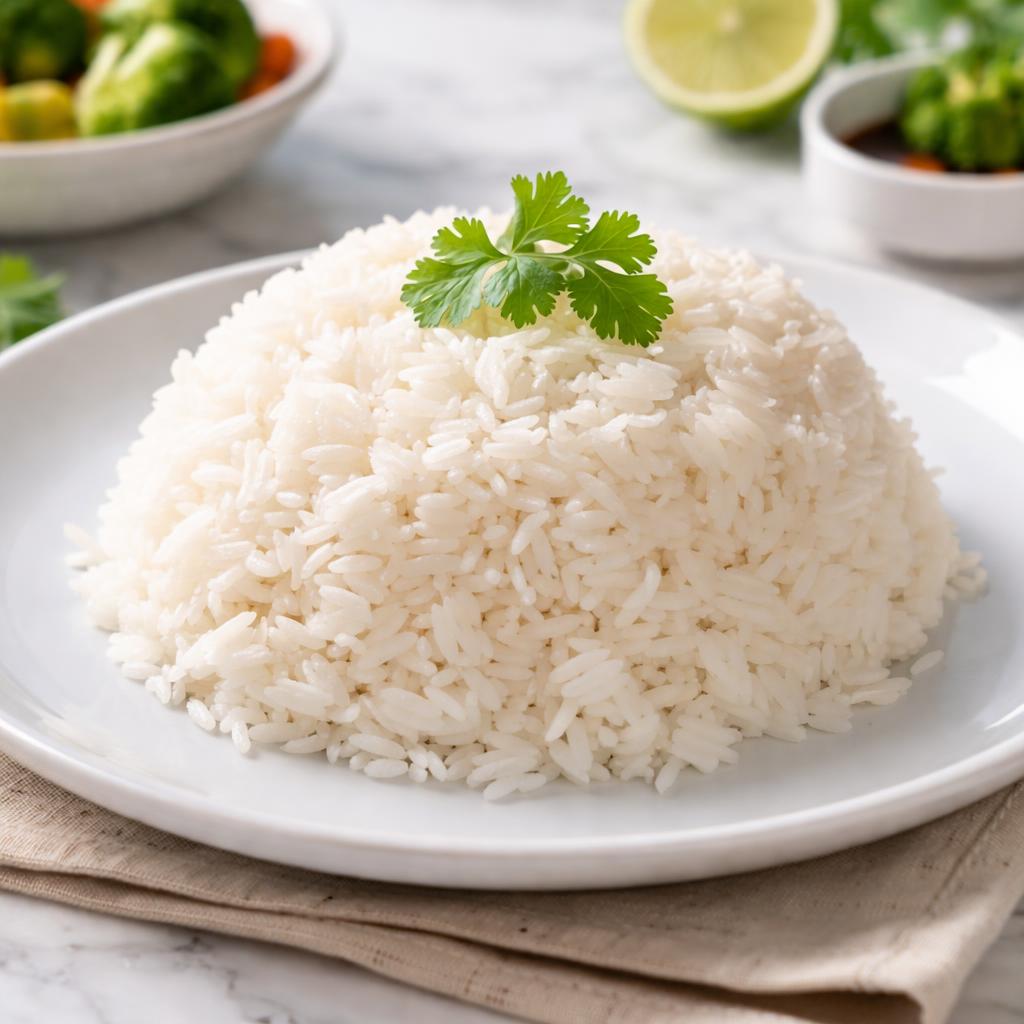
Steamed Rice
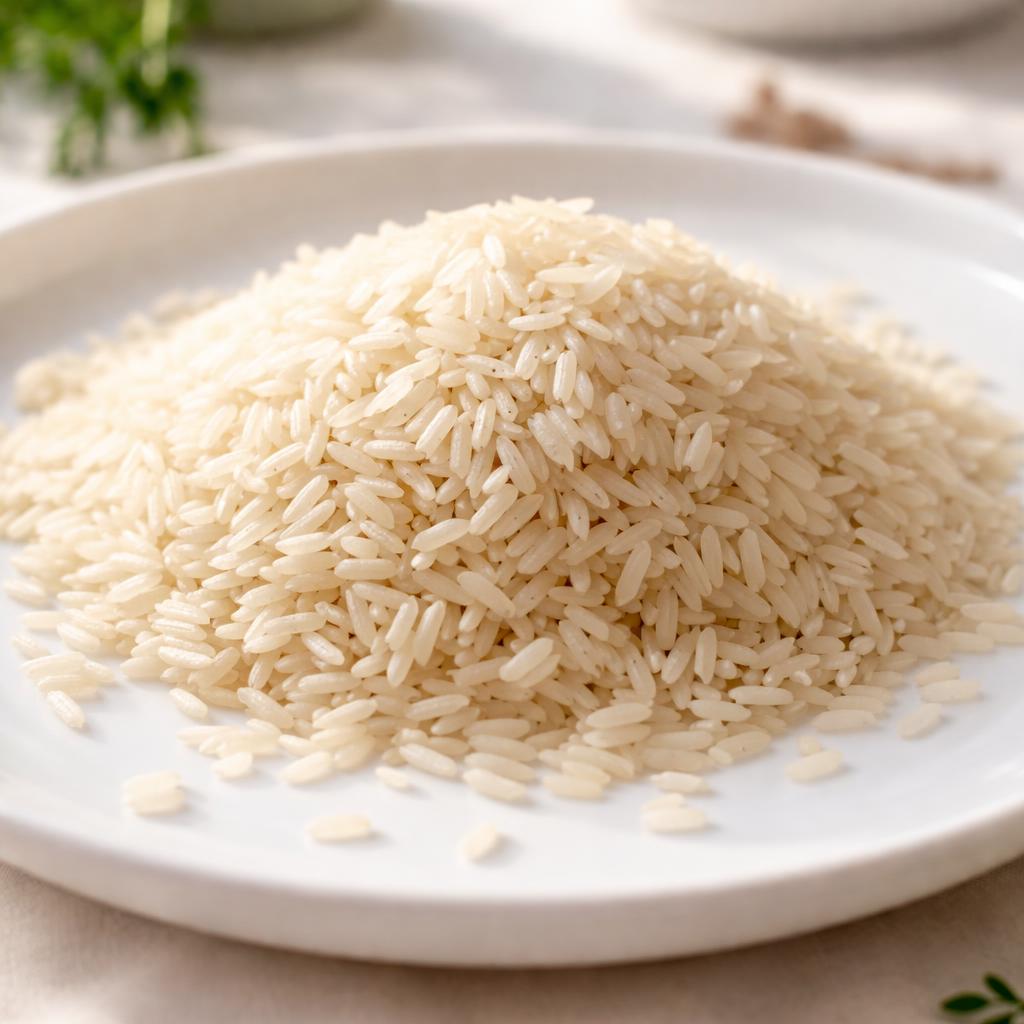
Uncooked Rice
🎯 Quick Verdict
Steamed rice has fewer calories due to its water content, making it a better option for weight control or portion balance. Uncooked rice, while denser in nutrients, is not typically consumed in its raw form and provides more fiber and calories proportionally. Steamed rice is ideal for immediate consumption, while uncooked rice is a base ingredient for various dishes when cooked properly.

Smart Nutrition Tracking with SnapCalorie

📊 Nutritional Comparison
Macronutrients
| Nutrient | Food 1 | Food 2 | Winner |
|---|---|---|---|
| Calories | 130 per 1 cup (158g) | 685 per 1 cup (185g) | ✓ |
| Protein | 2.5g | 13g | − |
| Carbs | 28g | 149g | ✓ |
| Fat | 0.3g | 1g | ✓ |
| Fiber | 0.3g | 2.5g | ✓ |
Vitamins & Minerals
| Nutrient | Food 1 | Food 2 | Winner |
|---|---|---|---|
| Vitamin B1 (Thiamin) | 0.02mg | 0.3mg | ✓ |
| Vitamin B3 (Niacin) | 0.5mg | 4.5mg | ✓ |
| Iron | 0.15mg | 1.5mg | ✓ |
🏆 Category Winners
Protein
Both have comparable percentages of protein content based on serving weight.
Fiber
Uncooked rice contains significantly more fiber.
Calories
Steamed rice has a lower calorie density due to water content.
Vitamins
Uncooked rice retains higher amounts of B vitamins and iron.
🥗 Diet Compatibility
Keto
Food 1: Not Compatible
Food 2: Not Compatible
Both foods are high-carb and unsuitable for keto diets.
Vegan
Food 1: Compatible
Food 2: Compatible
Both are plant-based and fit vegan diets.
Gluten Free
Food 1: Compatible
Food 2: Compatible
Neither contains gluten naturally.
Paleo
Food 1: Compatible with exceptions
Food 2: Compatible with exceptions
Rice is debated in paleo diets and typically excluded for stricter followers.
Low-Carb
Food 1: Not Compatible
Food 2: Not Compatible
Both are carbohydrate-rich staples.
💪 Health Benefits Comparison
Food 1 Benefits
- Lower calorie density makes it suitable for weight management.
- Provides quick energy from carbohydrates.
- Easy to digest, offering gentle support for gut health.
Food 2 Benefits
- Higher fiber content supports digestive health and regularity.
- Greater concentration of vitamins for metabolism and cellular health.
- Rich source of iron to support oxygen transport in the body.
✅ The Bottom Line
Choose steamed rice for immediate consumption if aiming to control calories or seeking an easily digestible option. Opt for uncooked rice when prioritizing nutrient density or planning to cook larger batches for meal prep. Each serves different purposes, depending on dietary goals and cooking methods.
Choose Food 1 for: Weight control, quick meals, easy digestion
Choose Food 2 for: Nutrient density, fiber intake, long-term food storage versatility


