Steamed Rice VS Rice And Peas
A detailed nutritional comparison
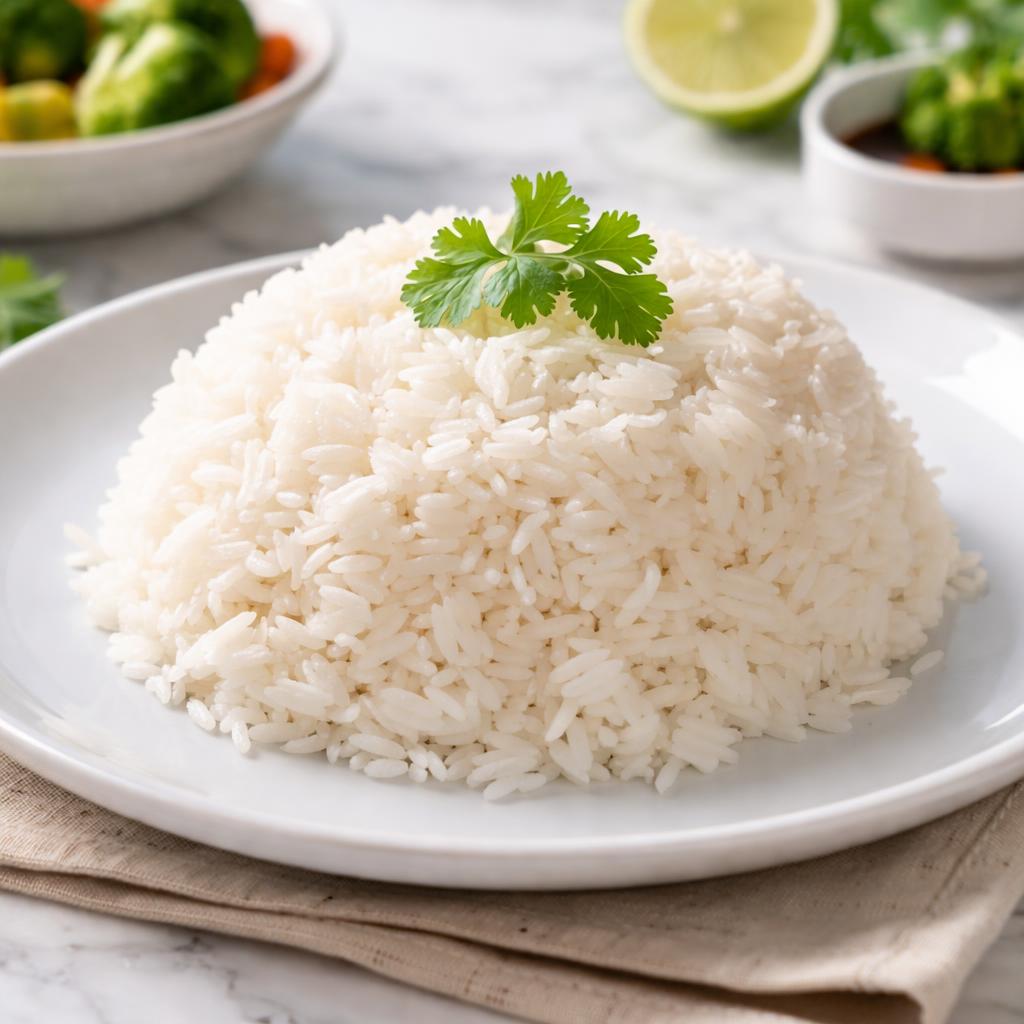
Steamed Rice
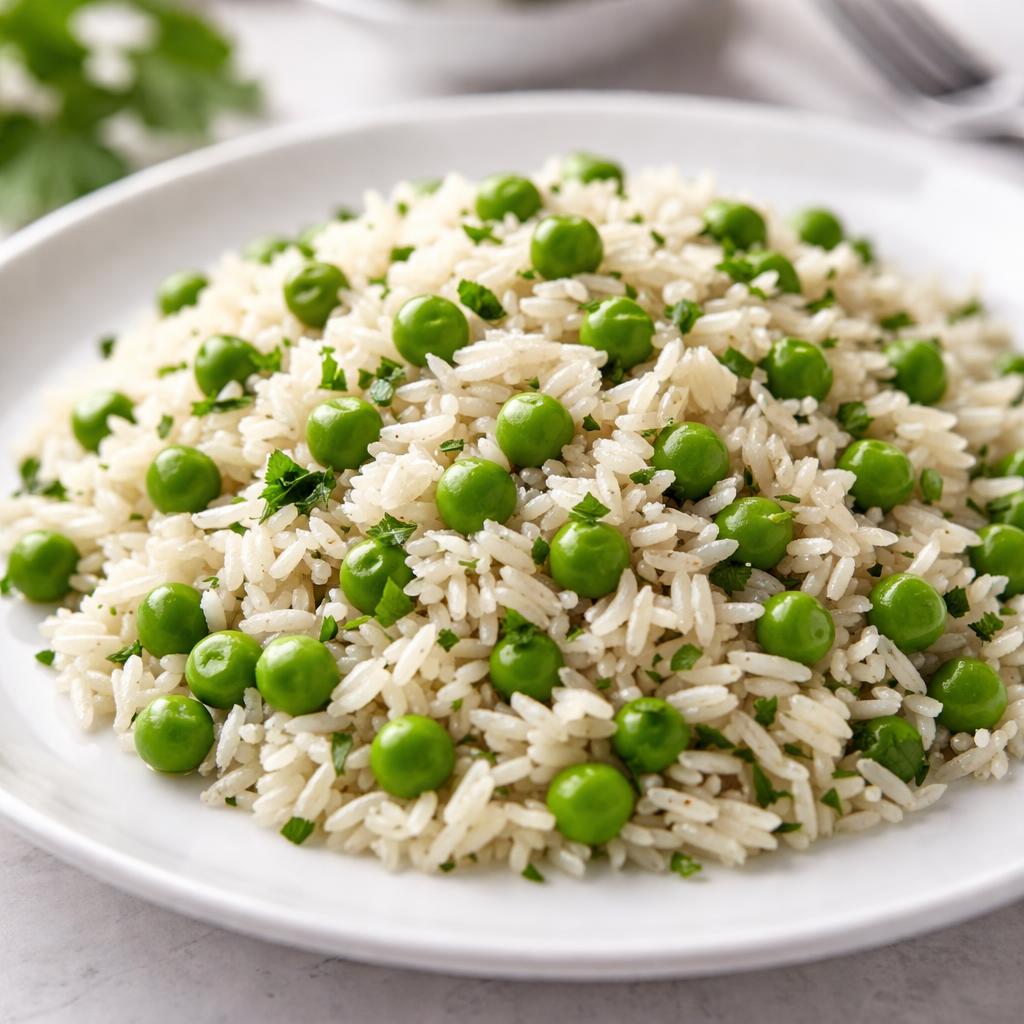
Rice And Peas
🎯 Quick Verdict
Rice and peas are nutritionally superior to steamed rice, offering more protein (+3g per serving) and fiber (+2g per serving) with the same caloric value. Steamed rice is better suited for simpler, low-fat carb sources, whereas rice and peas provide added nutrients like healthy plant protein and fiber, making it more balanced for meals needing sustained energy and satiety.

Smart Nutrition Tracking with SnapCalorie

📊 Nutritional Comparison
Macronutrients
| Nutrient | Food 1 | Food 2 | Winner |
|---|---|---|---|
| Calories | 200 | 200 | − |
| Protein | 4g | 7g | ✓ |
| Carbs | 45g | 40g | ✓ |
| Fat | 0.5g | 2g | ✓ |
| Fiber | 1g | 3g | ✓ |
Vitamins & Minerals
| Nutrient | Food 1 | Food 2 | Winner |
|---|---|---|---|
| Vitamin B1 | 0.15mg | 0.3mg | ✓ |
| Folate | 50mcg | 100mcg | ✓ |
| Iron | 0.3mg | 1.2mg | ✓ |
🏆 Category Winners
Protein
Rice and peas have nearly 75% more protein than steamed rice per serving.
Fiber
Rice and peas are higher in dietary fiber, aiding digestion.
Calories
Both foods provide equal calories per serving.
Vitamins
Rice and peas contribute superior vitamin B1, folate, and iron levels.
🥗 Diet Compatibility
Keto
Food 1: Not Compatible
Food 2: Not Compatible
Both are high in carbohydrates and unsuitable for keto diets.
Vegan
Food 1: Compatible
Food 2: Compatible
Both are plant-based dishes.
Gluten Free
Food 1: Compatible
Food 2: Compatible
Neither contains gluten.
Paleo
Food 1: Not Compatible
Food 2: Not Compatible
Both include grains that are not paleo-friendly.
Low Carb
Food 1: Not Compatible
Food 2: Not Compatible
Both are relatively high-carb foods, with over 40g of carbs per serving.
💪 Health Benefits Comparison
Food 1 Benefits
- Simple and easy-to-digest carb source
- Low in fat, suitable for low-fat diets
- Quick energy source for physical activity
Food 2 Benefits
- Higher protein content supports muscle repair
- Increased fiber aids in digestion and satiety
- Rich in folate essential for cell growth and development
- Iron supports healthy blood and energy production
✅ The Bottom Line
Choose steamed rice for a simple, low-fat carbohydrate source when energy and digestion simplicity are priorities. Opt for rice and peas when looking for greater nutrient density, especially fiber and protein, which make it better suited for balanced meals and sustained energy needs.
Choose Food 1 for: Quick digestion, light meals, high-carb diets
Choose Food 2 for: Balanced meals, higher protein diets, digestion/immunity support


