Steamed Rice VS Gluten-Free Bread
A detailed nutritional comparison
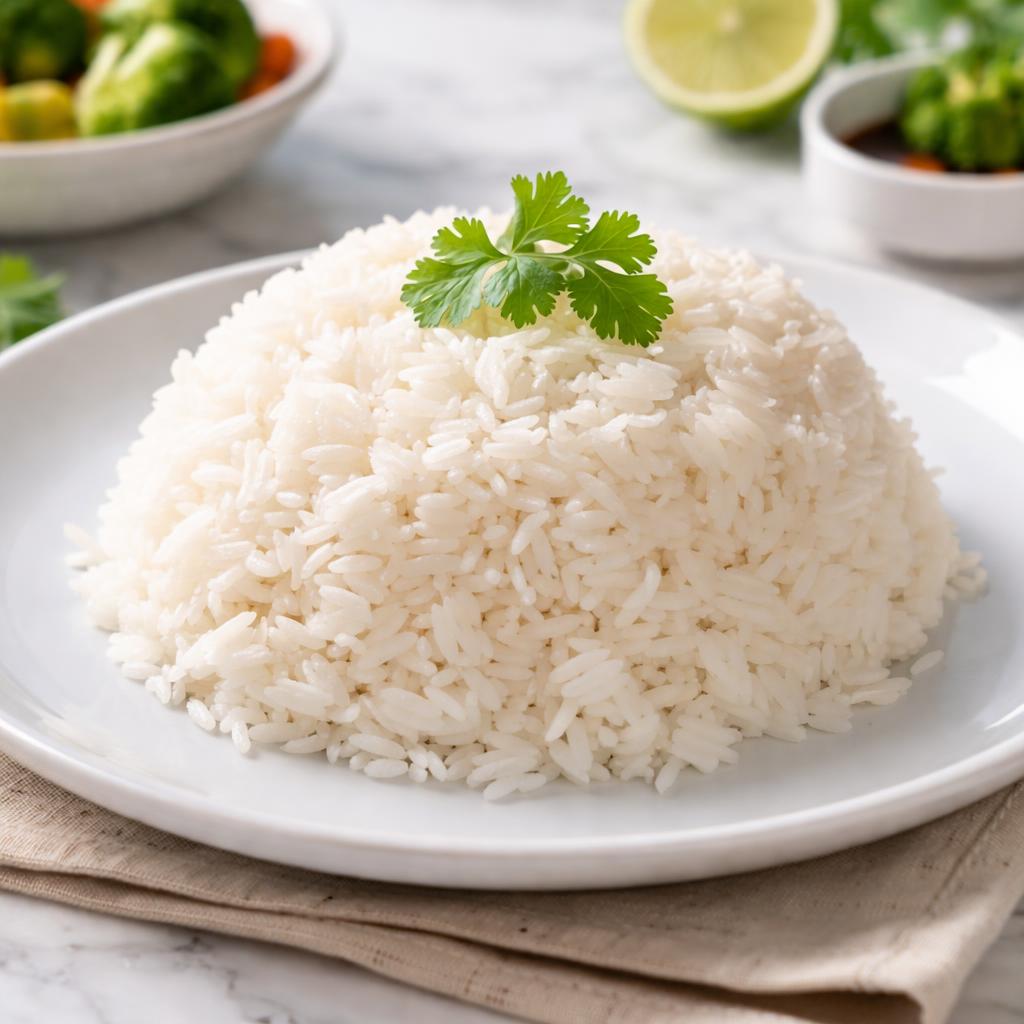
Steamed Rice
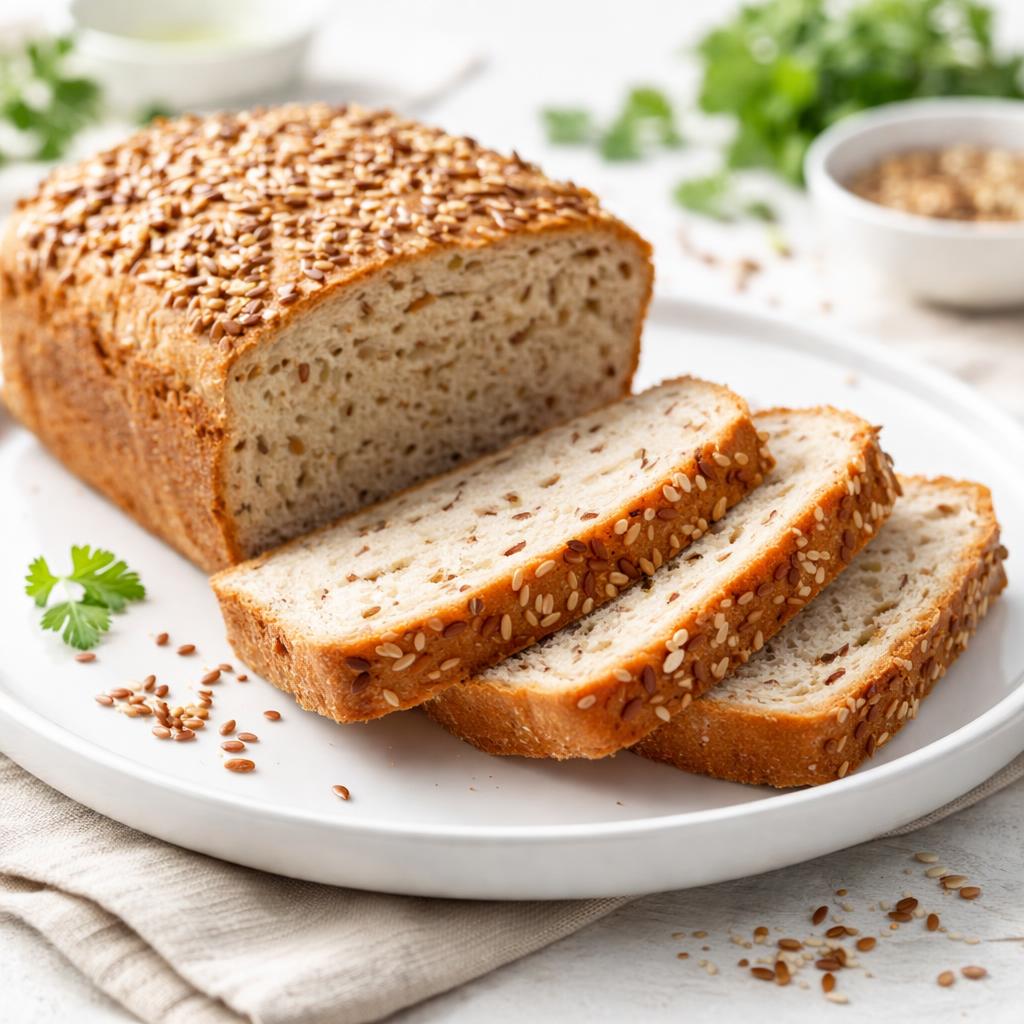
Gluten-Free Bread
🎯 Quick Verdict
Gluten-free bread is nutritionally denser than steamed rice, offering higher protein and fiber, as well as more vitamins. Steamed rice, however, is lower in calories and carbohydrates. Rice is ideal for quick energy needs, while gluten-free bread is better for sustained energy and nutrient intake in gluten-free diets.

Smart Nutrition Tracking with SnapCalorie

📊 Nutritional Comparison
Macronutrients
| Nutrient | Food 1 | Food 2 | Winner |
|---|---|---|---|
| Calories | 205 | 120 | ✓ |
| Protein | 4.2g | 5g | ✓ |
| Carbs | 44.5g | 21g | ✓ |
| Fat | 0.4g | 2g | ✓ |
| Fiber | 0.6g | 2g | ✓ |
Vitamins & Minerals
| Nutrient | Food 1 | Food 2 | Winner |
|---|---|---|---|
| Vitamin D | 0mcg | 1mcg | ✓ |
| Calcium | 10mg | 100mg | ✓ |
| Iron | 0.2mg | 1.5mg | ✓ |
🏆 Category Winners
Protein
Gluten-free bread has slightly more protein, offering 5g per serving compared to 4.2g from steamed rice.
Fiber
Gluten-free bread contains over three times more fiber (2g per serving) than steamed rice (0.6g).
Calories
With 120 calories per serving, gluten-free bread is 40% lower in calories than steamed rice (205 calories).
🥗 Diet Compatibility
Keto
Food 1: Not Compatible
Food 2: Not Compatible
Both foods are high in carbohydrates.
Vegan
Food 1: Compatible
Food 2: Compatible
Both foods are plant-based and free from animal products.
Gluten Free
Food 1: Compatible
Food 2: Compatible
Steamed rice is naturally gluten-free, and the gluten-free bread is formulated to exclude gluten.
Paleo
Food 1: Compatible
Food 2: Not Compatible
Rice aligns with paleo principles, while processed gluten-free bread does not.
Low-Carb
Food 1: Not Compatible
Food 2: Not Compatible
Both foods have moderate to high carbohydrate content.
💪 Health Benefits Comparison
Food 1 Benefits
- Provides a quick source of energy from carbohydrates
- Gentle on the stomach and easy to digest
- Low in fat making it ideal for low-fat diets
Food 2 Benefits
- Contains higher fiber for improved digestion and satiety
- Good source of calcium for strong bones
- Higher protein content supports muscle repair and growth
✅ The Bottom Line
Gluten-free bread is the more nutritionally diverse option, offering higher fiber, protein, and vitamin content, making it ideal for those seeking sustained energy and nutrient density. Steamed rice is simpler and works well for quick energy and gentle digestion needs.
Choose Food 1 for: Quick energy boosts, post-surgery diets, easy digestion
Choose Food 2 for: Gluten-free diets, nutrient-rich lunches, sustained energy levels


