Steamed Rice VS Breaded Shrimp
A detailed nutritional comparison
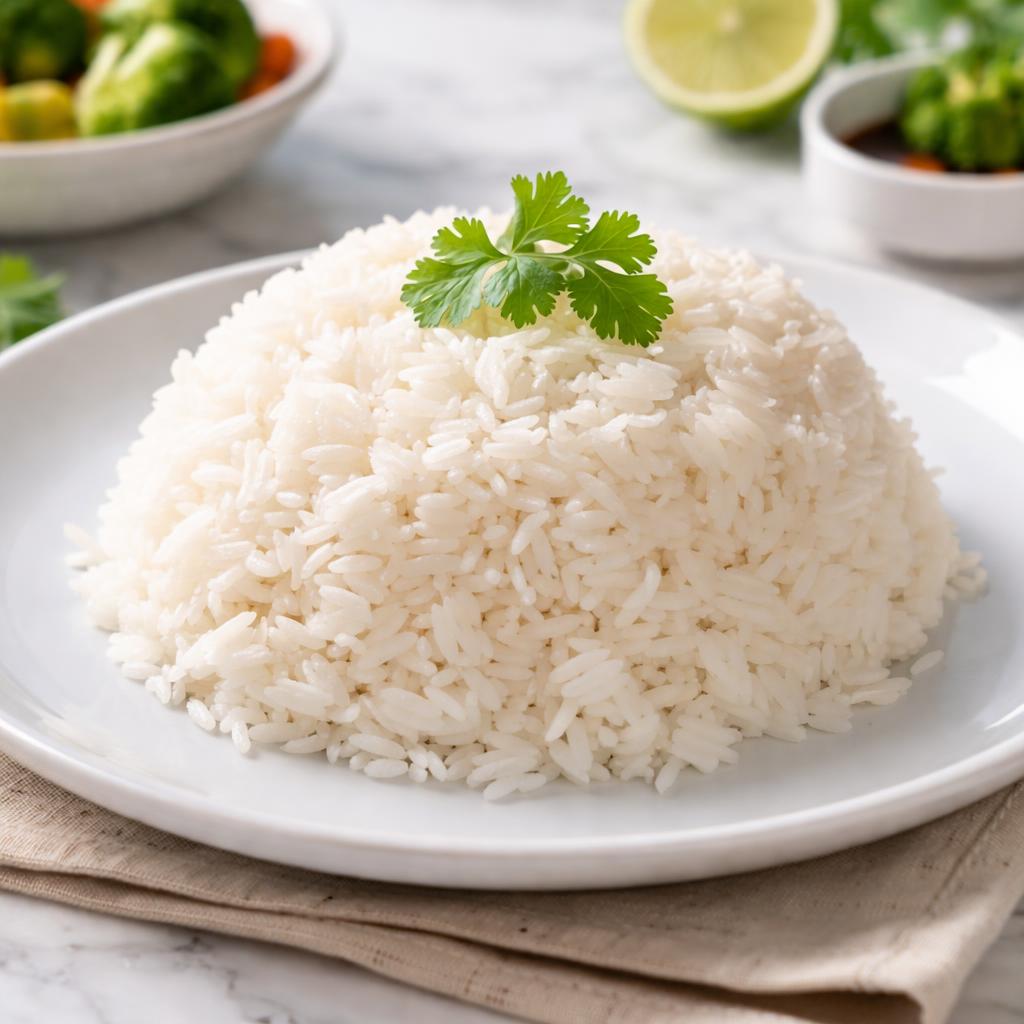
Steamed Rice
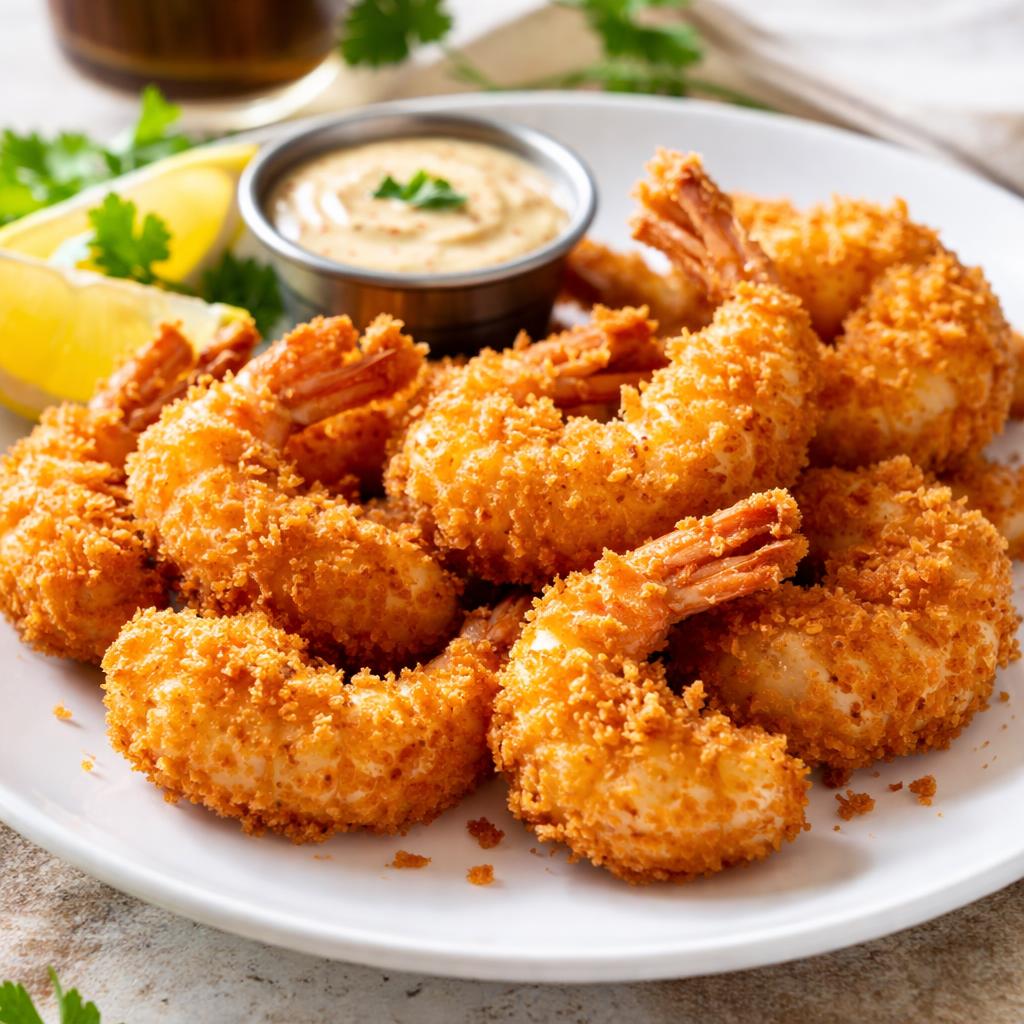
Breaded Shrimp
🎯 Quick Verdict
Breaded shrimp provides significantly more protein, healthy fats, and several key vitamins compared to steamed rice, making it a nutrient-dense option. Steamed rice is lower in calories and higher in fiber, with a simple ingredient profile, making it ideal for those needing a light, carb-focused option or a base for larger meals.

Smart Nutrition Tracking with SnapCalorie

📊 Nutritional Comparison
Macronutrients
| Nutrient | Food 1 | Food 2 | Winner |
|---|---|---|---|
| Calories | 130 | 240 | ✓ |
| Protein | 2.7g | 13g | ✓ |
| Carbs | 28g | 17g | ✓ |
| Fat | 0.3g | 11g | ✓ |
| Fiber | 1g | 0g | ✓ |
Vitamins & Minerals
| Nutrient | Food 1 | Food 2 | Winner |
|---|---|---|---|
| Vitamin D | 0mcg | 2mcg | ✓ |
| Calcium | 5mg | 30mg | ✓ |
| Iron | 0.2mg | 0.5mg | ✓ |
🏆 Category Winners
Protein
Breaded shrimp offers nearly 5x more protein than steamed rice per serving.
Fiber
Steamed rice contains fiber while breaded shrimp does not.
Calories
Steamed rice contains about 45% fewer calories per serving compared to breaded shrimp.
Vitamins
Breaded shrimp is richer in vitamin D, calcium, and iron compared to rice.
🥗 Diet Compatibility
Keto
Food 1: Not Compatible
Food 2: Compatible
Breaded shrimp is higher in protein and fats while rice is too carb-heavy.
Vegan
Food 1: Compatible
Food 2: Not Compatible
Rice is plant-based; shrimp is an animal product.
Gluten Free
Food 1: Compatible
Food 2: Not Compatible
Steamed rice is naturally gluten-free while breaded shrimp often contains flour coatings.
Paleo
Food 1: Not Compatible
Food 2: Partially Compatible
Breaded shrimp may fit paleo diets if cooked with paleo-approved ingredients; rice is excluded from paleo frameworks.
Low-Carb
Food 1: Not Compatible
Food 2: Compatible
Breaded shrimp is lower in carbs compared to rice which is carb-dense.
💪 Health Benefits Comparison
Food 1 Benefits
- Low-calorie option suitable for weight management
- Good source of simple carbohydrates for quick energy
- Naturally gluten-free and easy to digest
Food 2 Benefits
- High protein content supports muscle maintenance and repair
- Rich in vitamin D for bone health and immune support
- Source of healthy fats for heart health and satiety
✅ The Bottom Line
Choose steamed rice if you need a low-calorie, plant-based, gluten-free carbohydrate base for meals. Breaded shrimp is the better option for protein and micronutrient needs, making it ideal for high-protein diets or as a nutrient-dense meal centerpiece.
Choose Food 1 for: Weight management, vegan diets, gluten-free options
Choose Food 2 for: High-protein diets, nutrient-rich meals, heart health


