Spanish Rice VS Spicy Rice
A detailed nutritional comparison
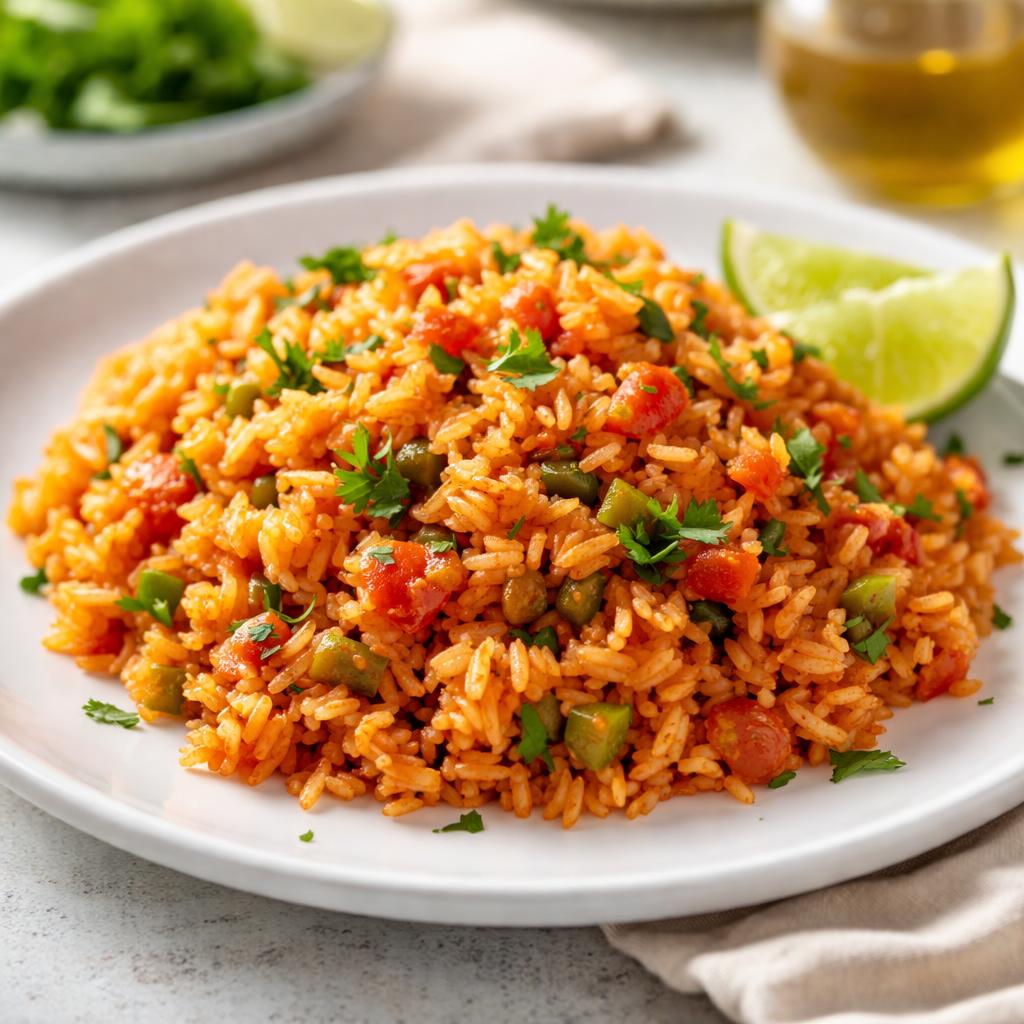
Spanish Rice
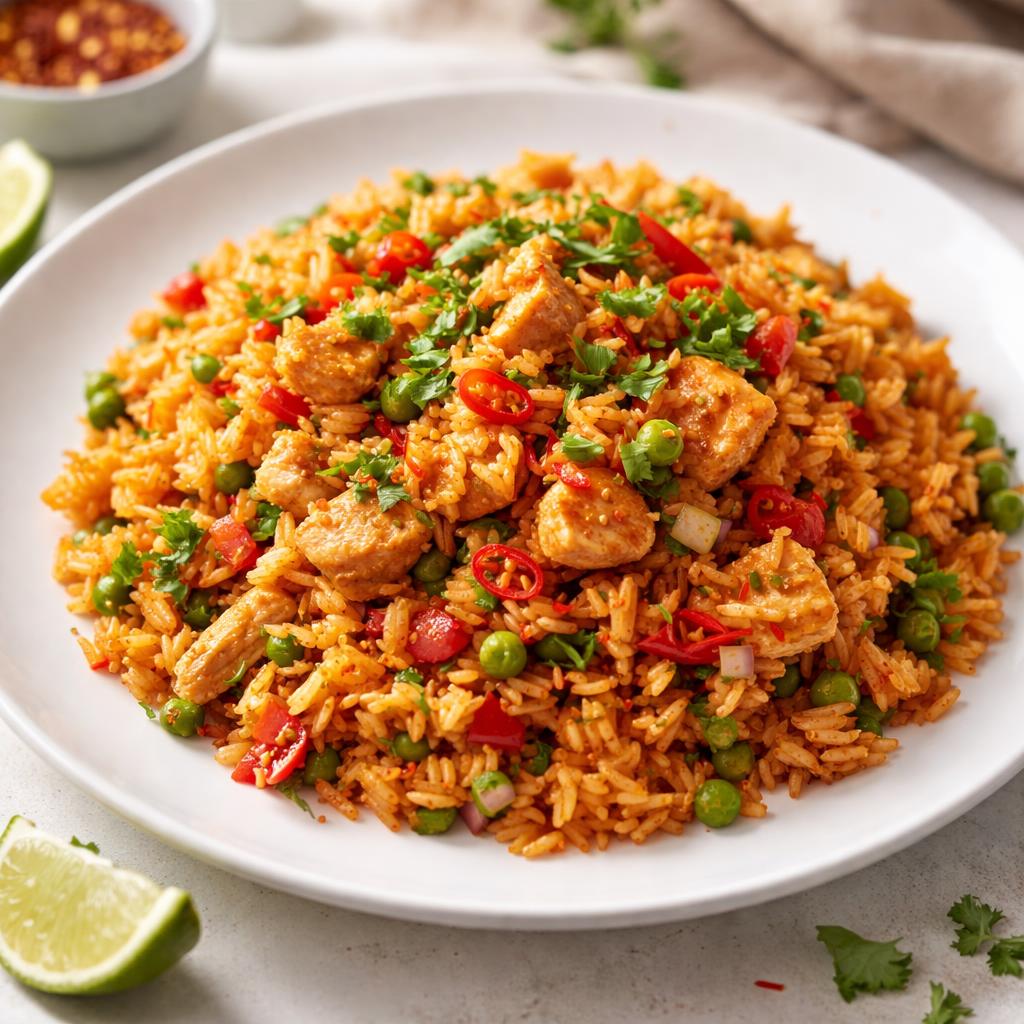
Spicy Rice
🎯 Quick Verdict
Spanish rice generally contains fewer calories and slightly higher fiber. Spicy rice tends to have more protein and additional nutrients like antioxidants from spices. Spanish rice is excellent for lighter meals, while spicy rice is ideal for adding flavor and extra protein to your diet.

Smart Nutrition Tracking with SnapCalorie

📊 Nutritional Comparison
Macronutrients
| Nutrient | Food 1 | Food 2 | Winner |
|---|---|---|---|
| Calories | 190 | 220 | ✓ |
| Protein | 4g | 5g | ✓ |
| Carbs | 34g | 35g | − |
| Fat | 3g | 4g | ✓ |
| Fiber | 2.5g | 2.5g | − |
Vitamins & Minerals
| Nutrient | Food 1 | Food 2 | Winner |
|---|---|---|---|
| Vitamin C | 2mg | 3mg | ✓ |
| Vitamin A | 80mcg | 95mcg | ✓ |
| Iron | 1.2mg | 1.5mg | ✓ |
| Calcium | 20mg | 25mg | ✓ |
🏆 Category Winners
Protein
Spicy rice contains 25% more protein per serving.
Fiber
Both foods contain the same amount of fiber (2.5g per serving).
Calories
Spanish rice has 14% fewer calories per serving.
Vitamins
Spicy rice has slightly higher levels of iron, vitamin C, and vitamin A.
🥗 Diet Compatibility
Keto
Food 1: Not Compatible
Food 2: Not Compatible
Both are high in carbs with 34g+ carbs per serving.
Vegan
Food 1: Compatible
Food 2: Compatible
Both rely on plant-based ingredients.
Gluten Free
Food 1: Compatible
Food 2: Compatible
Neither recipe contains gluten when prepared traditionally.
Paleo
Food 1: Not Compatible
Food 2: Not Compatible
Rice is not permissible on the paleo diet.
Low-Carb
Food 1: Not Compatible
Food 2: Not Compatible
Both foods exceed low-carb thresholds due to high carbohydrate content.
💪 Health Benefits Comparison
Food 1 Benefits
- Lower calorie option for weight control
- Decent fiber content for digestive health
- Simple and minimal additives for general well-being
Food 2 Benefits
- Higher protein content supports muscle maintenance
- Contains antioxidants from spices for inflammation reduction
- Rich in iron for improved oxygen transport in blood
✅ The Bottom Line
Spanish rice is the better choice for lighter meals and weight loss due to its fewer calories. Spicy rice is ideal for those seeking more flavor and higher protein for a slightly more nutrient-dense meal.
Choose Food 1 for: Weight control, lighter carb-based dishes
Choose Food 2 for: Flavor enhancement, nutrient-dense meals, post-workout recovery


