Spanish Rice VS Saffron Rice
A detailed nutritional comparison
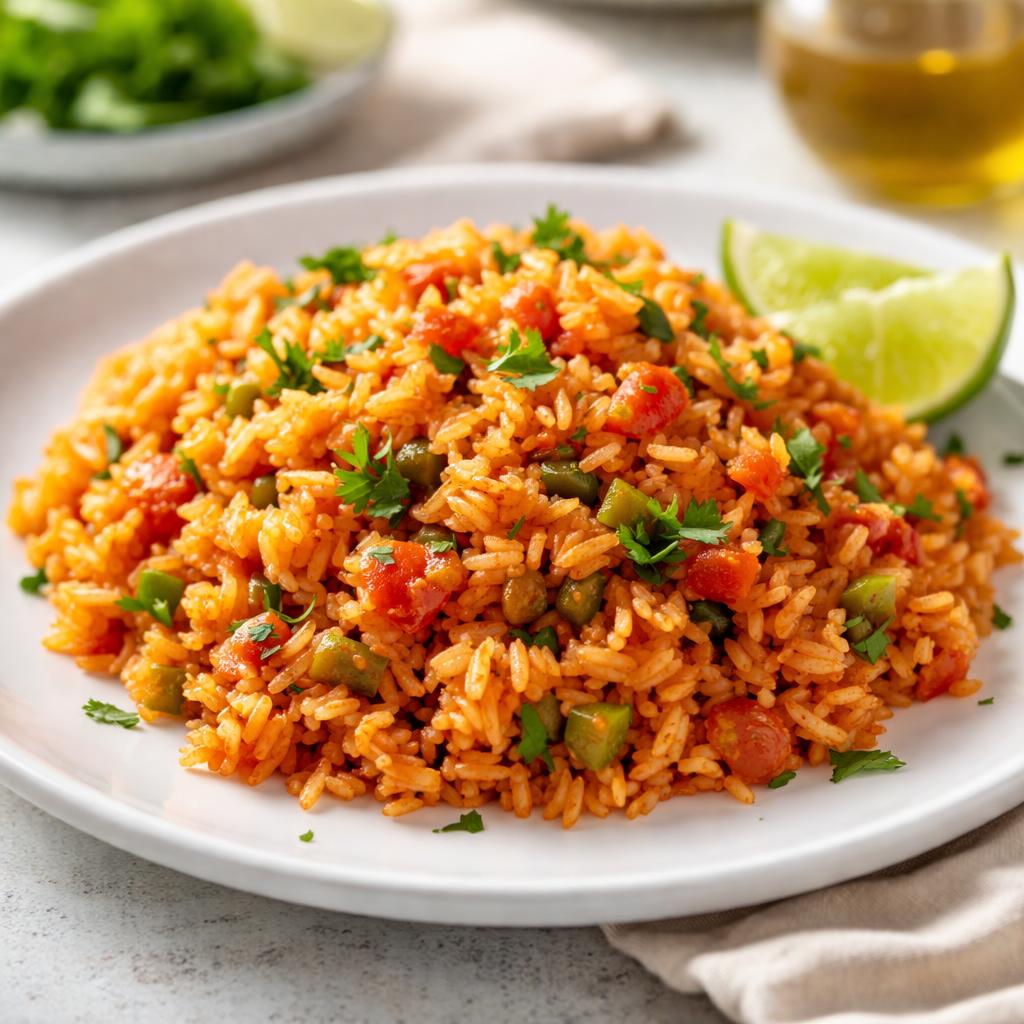
Spanish Rice
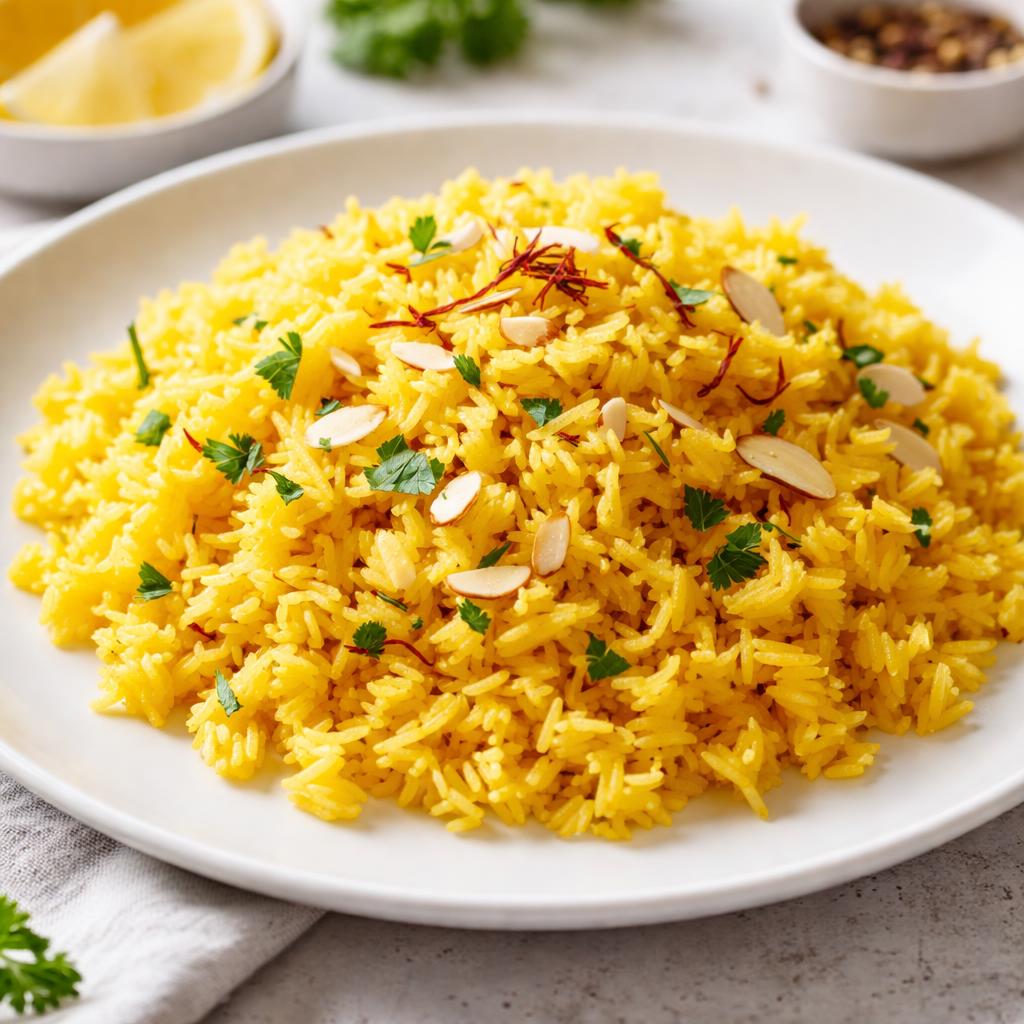
Saffron Rice
🎯 Quick Verdict
Spanish rice and saffron rice have distinct nutritional profiles. Spanish rice is richer in fiber, slightly higher in protein, and provides more vitamins like Vitamin C. On the other hand, saffron rice is lower in calories and fat, making it a lighter option. Spanish rice works well for hearty meals, while saffron rice shines as a lighter, aromatic dish for special occasions or a calorie-conscious diet.

Smart Nutrition Tracking with SnapCalorie

📊 Nutritional Comparison
Macronutrients
| Nutrient | Food 1 | Food 2 | Winner |
|---|---|---|---|
| Calories | 200 | 150 | ✓ |
| Protein | 4g | 4g | − |
| Carbs | 36g | 32g | ✓ |
| Fat | 6g | 1g | ✓ |
| Fiber | 3g | 1g | ✓ |
Vitamins & Minerals
| Nutrient | Food 1 | Food 2 | Winner |
|---|---|---|---|
| Vitamin C | 6mg | 1mg | ✓ |
| Vitamin A | 5mcg | 0mcg | ✓ |
| Iron | 1mg | 0.5mg | ✓ |
🏆 Category Winners
Protein
Both foods provide equal protein, at 4g per serving.
Fiber
Spanish rice offers 3g of fiber, three times more than saffron rice.
Calories
Saffron rice has 50 fewer calories per serving.
Vitamins
Spanish rice delivers significantly more Vitamin C and Vitamin A.
🥗 Diet Compatibility
Keto
Food 1: Not Compatible
Food 2: Not Compatible
Both are high in carbs and not suitable for strict keto diets.
Vegan
Food 1: Compatible
Food 2: Compatible
Neither contains animal products.
Gluten Free
Food 1: Compatible
Food 2: Compatible
Both are gluten-free if prepared without additives.
Paleo
Food 1: Not Compatible
Food 2: Not Compatible
Rice is generally avoided in paleo diets.
Low Carb
Food 1: Not Compatible
Food 2: Not Compatible
Both foods are high in carbohydrates.
💪 Health Benefits Comparison
Food 1 Benefits
- Provides a good amount of fiber for digestion
- Rich in Vitamin C to boost immunity
- Contains Vitamin A for eye health
Food 2 Benefits
- Low in calories for weight management
- Contains antioxidants from saffron
- Easy to digest due to lower fat and fiber content
✅ The Bottom Line
Choose Spanish rice for a more nutrient-dense, filling option, especially if fiber and vitamins are your priority. Opt for saffron rice if you're seeking a lighter dish that is lower in calories and fat and features aromatic flavor enhancement.
Choose Food 1 for: Hearty meals, fiber-rich diets, Vitamin supplementation
Choose Food 2 for: Low-calorie meals, special occasions, easy digestion


