Spanish Rice VS Bread Rolls
A detailed nutritional comparison
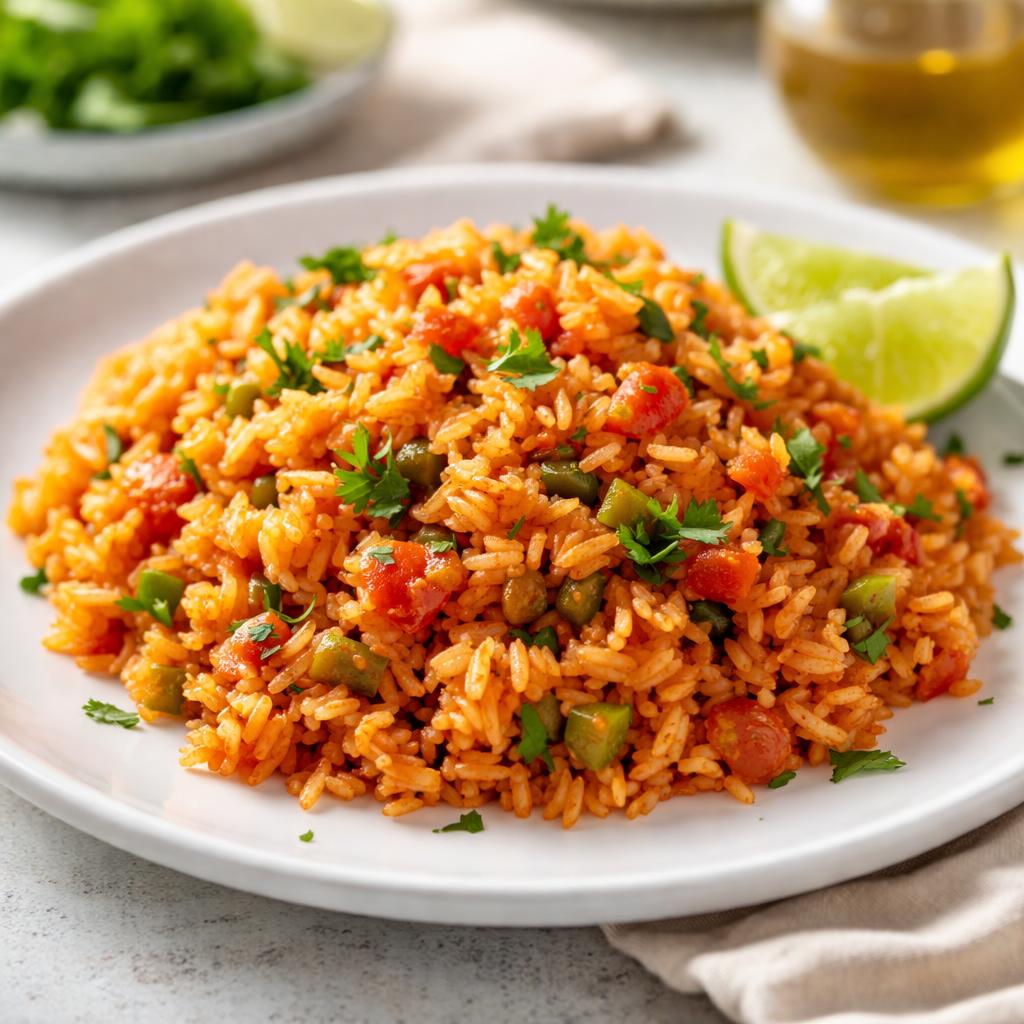
Spanish Rice
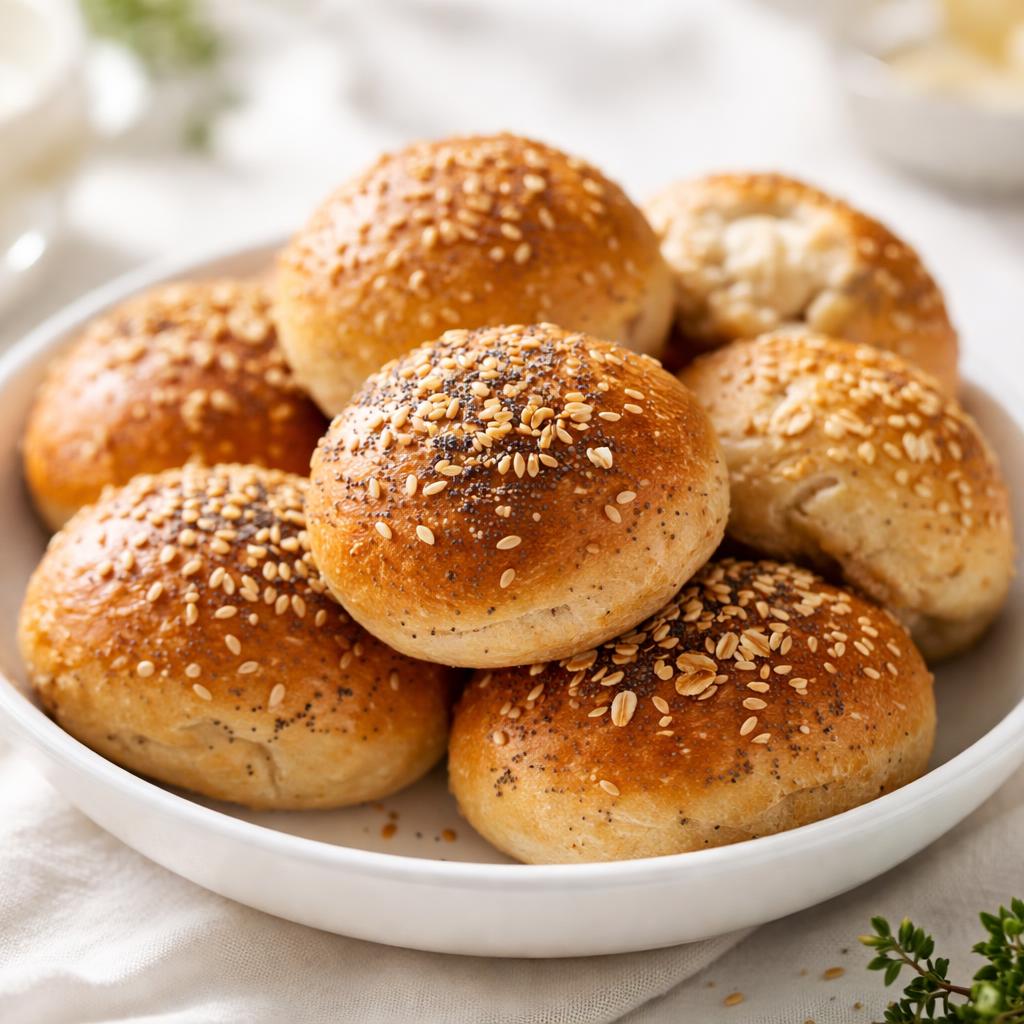
Bread Rolls
🎯 Quick Verdict
Spanish rice is the more nutrient-dense option, offering higher fiber, fewer calories, and a good mix of vitamins like iron and calcium. Bread rolls, on the other hand, provide higher protein but are higher in calories and lower in fiber. Spanish rice is best for those seeking a lighter, more balanced side dish, while bread rolls are ideal for their versatility and energy-dense profile.

Smart Nutrition Tracking with SnapCalorie

📊 Nutritional Comparison
Macronutrients
| Nutrient | Food 1 | Food 2 | Winner |
|---|---|---|---|
| Calories | 160 (per serving, 1 cup) | 230 (per 1 bread roll) | ✓ |
| Protein | 3g | 7g | ✓ |
| Carbs | 31g | 40g | ✓ |
| Fat | 2g | 3g | ✓ |
| Fiber | 2g | 1g | ✓ |
Vitamins & Minerals
| Nutrient | Food 1 | Food 2 | Winner |
|---|---|---|---|
| Vitamin D | 0mcg | 0mcg | − |
| Calcium | 30mg | 25mg | ✓ |
| Iron | 2mg | 1mg | ✓ |
| Vitamin B6 | 0.4mg | 0.1mg | ✓ |
🏆 Category Winners
Protein
Bread rolls have over double the protein of Spanish rice, making them a better choice for muscle-building.
Fiber
Spanish rice has twice the fiber, supporting better digestion.
Calories
Spanish rice has about 30% fewer calories per serving compared to bread rolls.
Vitamins
Spanish rice contains higher levels of calcium, iron, and vitamin B6.
🥗 Diet Compatibility
Keto
Food 1: Not Compatible
Food 2: Not Compatible
Both foods are high in carbohydrates, which disqualifies them from ketogenic diets.
Vegan
Food 1: Compatible
Food 2: Compatible
Neither food contains animal-derived ingredients.
Gluten Free
Food 1: Compatible
Food 2: Not Compatible
Bread rolls contain gluten, while Spanish rice does not.
Paleo
Food 1: Not Compatible
Food 2: Not Compatible
Both foods contain processed grains, which are not allowed in paleo diets.
Low-Carb
Food 1: Not Compatible
Food 2: Not Compatible
Both options have over 30 grams of carbs per serving, exceeding low-carb thresholds.
💪 Health Benefits Comparison
Food 1 Benefits
- Rich in fiber for better digestion and gut health
- Good source of iron to support energy levels and red blood cell production
- Contains fewer calories for weight management
Food 2 Benefits
- Higher protein content supports muscle repair and maintenance
- Good source of energy for active individuals
- Comfort food option with versatile use in meals or snacks
✅ The Bottom Line
Choose Spanish rice for a lower-calorie, fiber-rich side dish that packs essential minerals. Opt for bread rolls when you need a quick, high-protein energy boost or versatile addition to meals.
Choose Food 1 for: Weight management, vegan diets, digestive health
Choose Food 2 for: Muscle growth, energy support, convenience


