Sourdough Bread VS White Bread
A detailed nutritional comparison
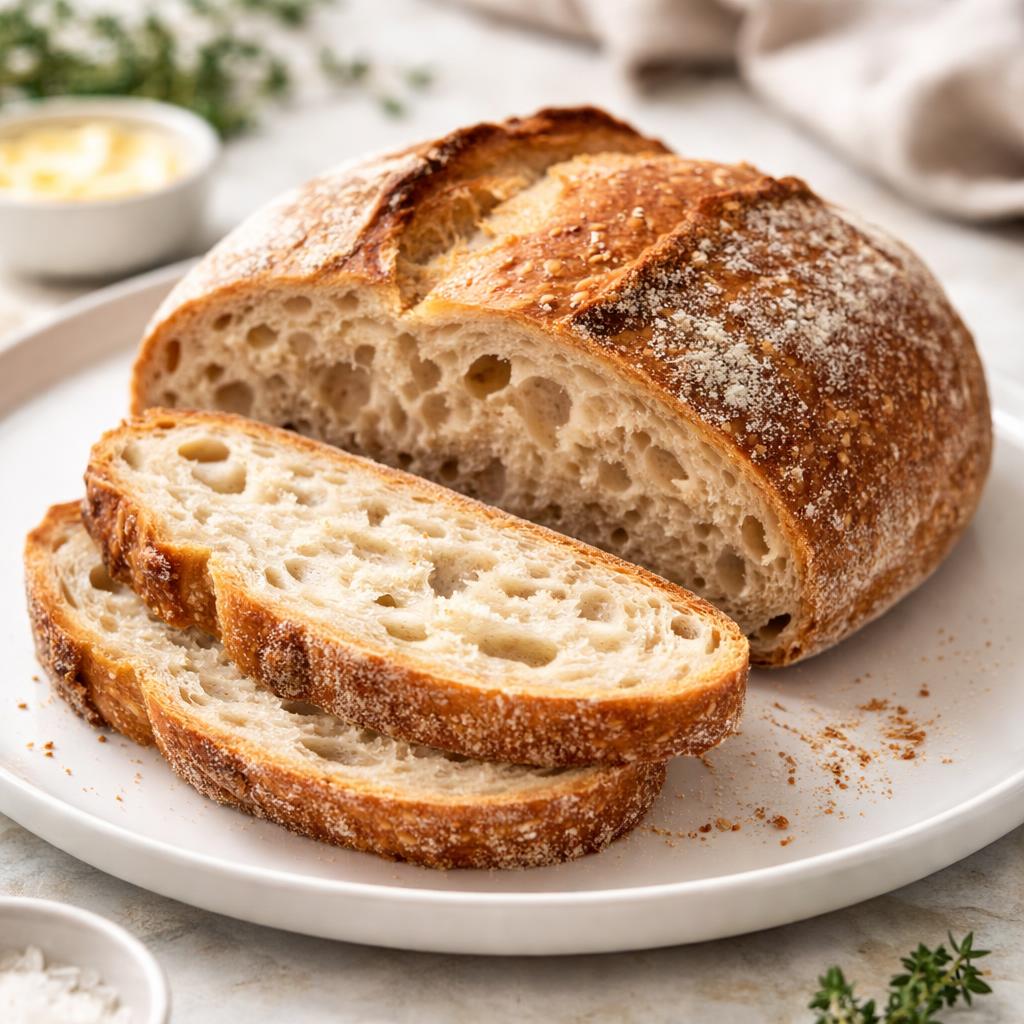
Sourdough Bread
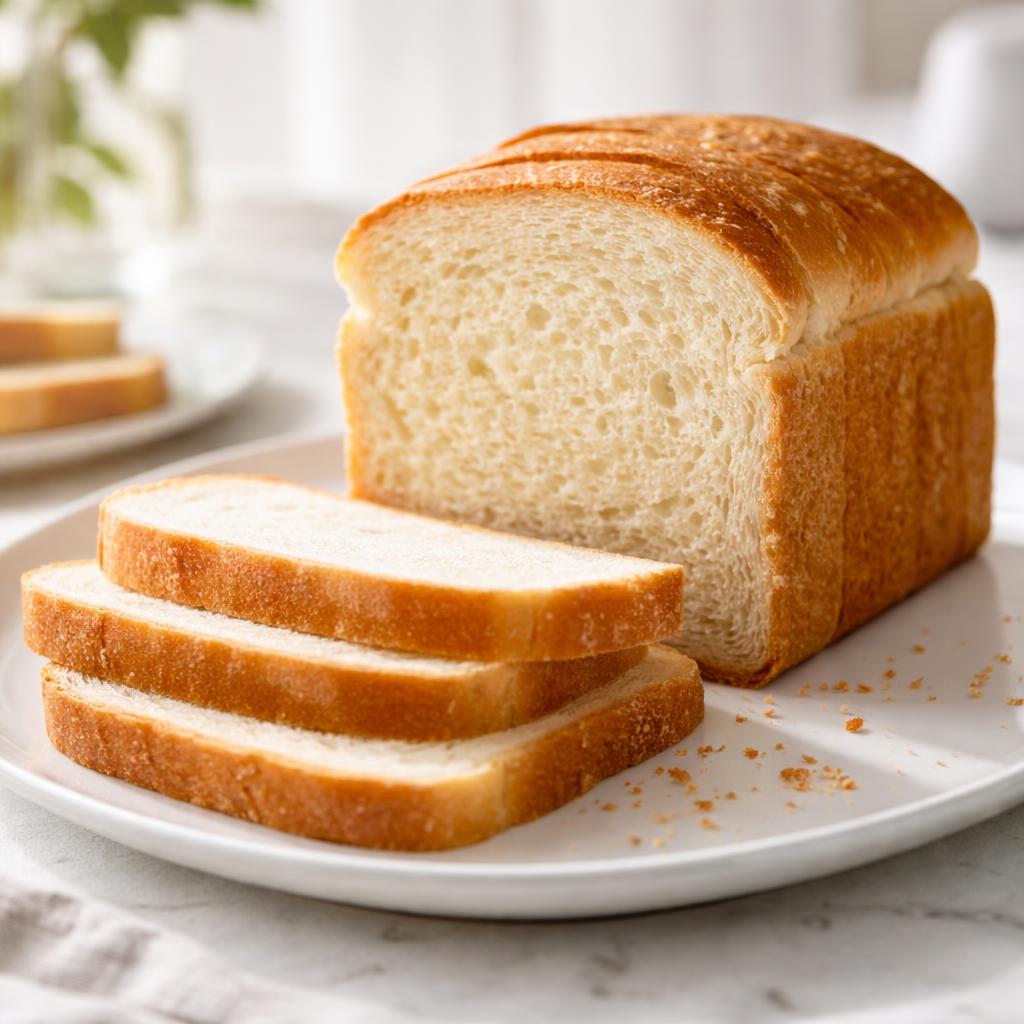
White Bread
🎯 Quick Verdict
Sourdough bread (Food1) is more nutrient-dense than white bread, offering more fiber, slightly fewer calories, and benefits from natural fermentation that supports gut health. White bread (Food2), while softer in texture and widely available, falls short in nutrient quality and is lower in complex nutrients but provides quick energy due to its higher carbohydrate content.

Smart Nutrition Tracking with SnapCalorie

📊 Nutritional Comparison
Macronutrients
| Nutrient | Food 1 | Food 2 | Winner |
|---|---|---|---|
| Calories | 185 | 200 | ✓ |
| Protein | 6g | 6g | − |
| Carbs | 34g | 37g | ✓ |
| Fat | 1g | 2g | ✓ |
| Fiber | 2g | 0.5g | ✓ |
Vitamins & Minerals
| Nutrient | Food 1 | Food 2 | Winner |
|---|---|---|---|
| Vitamin B1 (Thiamine) | 0.15mg | 0.20mg | ✓ |
| Folate | 40mcg | 80mcg | ✓ |
| Calcium | 15mg | 30mg | ✓ |
| Iron | 0.75mg | 0.5mg | ✓ |
🏆 Category Winners
Protein
Both foods provide around 6g of protein per serving, making them equal in this category.
Fiber
Sourdough bread offers 2g of fiber, significantly more than white bread’s 0.5g.
Calories
Sourdough bread has slightly fewer calories (185 vs. 200 per serving).
Vitamins
White bread is fortified with higher amounts of folate, thiamine, and calcium compared to sourdough.
🥗 Diet Compatibility
Keto
Food 1: Not Compatible
Food 2: Not Compatible
Both contain high amounts of carbohydrates.
Vegan
Food 1: Compatible
Food 2: Compatible
Both breads are free from animal products.
Gluten Free
Food 1: Not Compatible
Food 2: Not Compatible
Both are made with wheat flour and contain gluten.
Paleo
Food 1: Not Compatible
Food 2: Not Compatible
Neither aligns with paleo diet principles requiring grain-free foods.
Low Carb
Food 1: Not Compatible
Food 2: Not Compatible
Both are high in carbohydrates; unsuitable for low-carb diets.
💪 Health Benefits Comparison
Food 1 Benefits
- Contains natural probiotics from fermentation, supporting gut health.
- Higher in fiber for better digestion.
- Lower glycemic index compared to white bread, reducing blood sugar spikes.
- Provides longer-lasting energy due to complex carbohydrates.
Food 2 Benefits
- Fortified with essential vitamins like folate, calcium, and thiamine.
- Soft texture and quick energy for a fast carbohydrate boost.
- Suitable for those needing easily digestible calories.
- Widely accessible and affordable.
✅ The Bottom Line
Choose sourdough bread for a more nutrient-dense option with gut health benefits and better fiber content. White bread can be a convenient option for quick energy and is more commonly fortified, making it good for those seeking certain vitamins. However, sourdough bread is overall healthier for sustained energy and digestion support.
Choose Food 1 for: Gut health, nutrient-dense meals, sustained energy
Choose Food 2 for: Quick energy, affordable nutritional fortification, soft texture


