Sourdough Bread VS Turmeric Rice
A detailed nutritional comparison
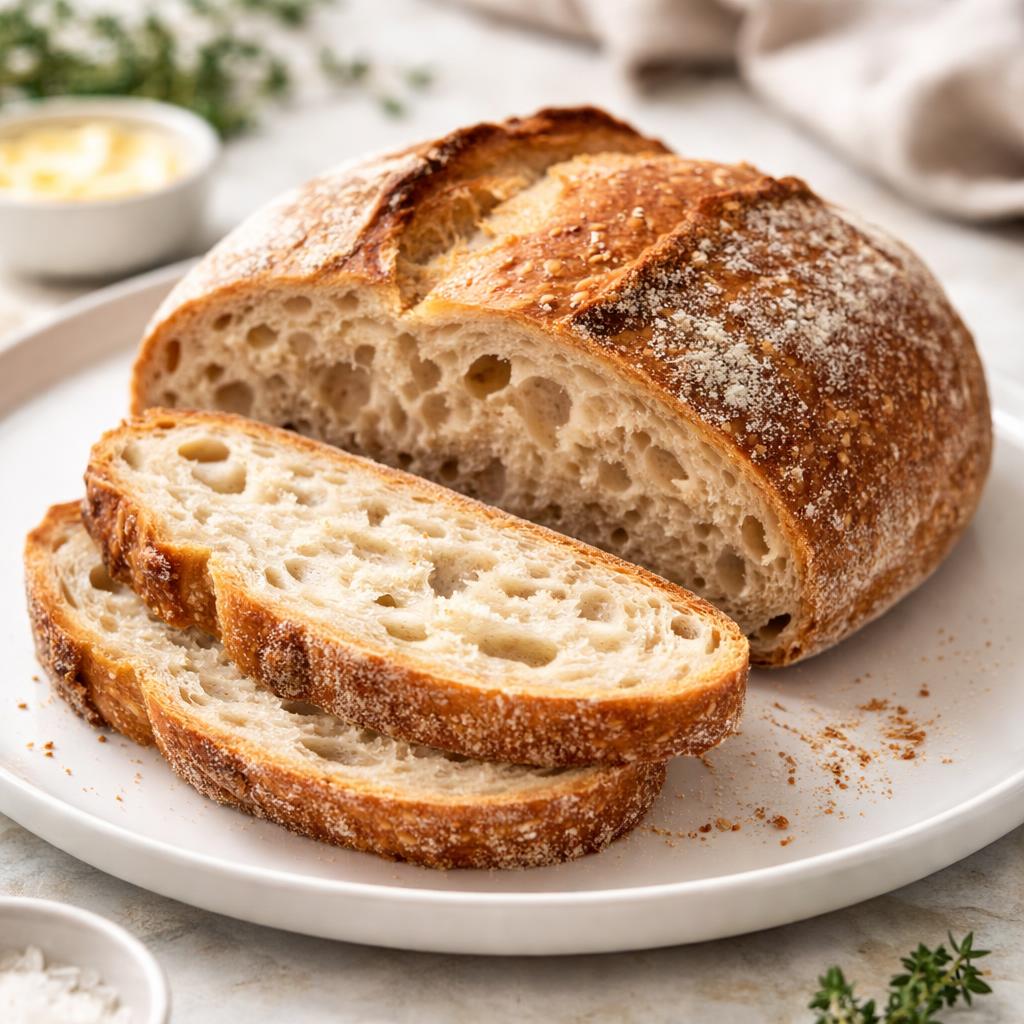
Sourdough Bread
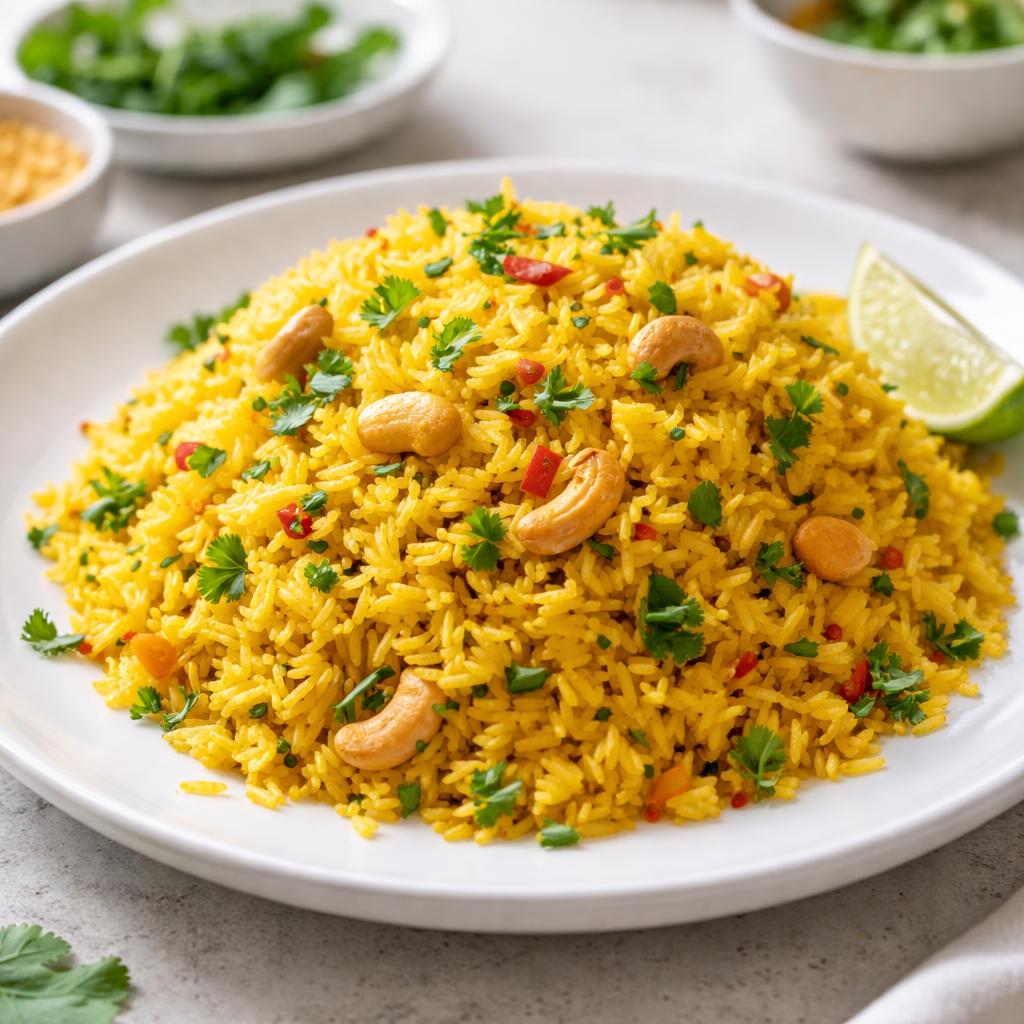
Turmeric Rice
🎯 Quick Verdict
Sourdough bread and turmeric rice have different strengths nutritionally. While sourdough bread excels in protein and may support gut health due to natural fermentation, turmeric rice is lower in calories, richer in fiber, and contains beneficial antioxidants. Choose sourdough for energy and protein or turmeric rice for lighter meals with anti-inflammatory benefits.

Smart Nutrition Tracking with SnapCalorie

📊 Nutritional Comparison
Macronutrients
| Nutrient | Food 1 | Food 2 | Winner |
|---|---|---|---|
| Calories | 240 | 200 | ✓ |
| Protein | 8g | 4g | ✓ |
| Carbs | 47g | 44g | ✓ |
| Fat | 1g | 2g | ✓ |
| Fiber | 2g | 3g | ✓ |
Vitamins & Minerals
| Nutrient | Food 1 | Food 2 | Winner |
|---|---|---|---|
| Vitamin D | 0mcg | 0mcg | − |
| Calcium | 50mg | 30mg | ✓ |
| Iron | 1.5mg | 2mg | ✓ |
🏆 Category Winners
Protein
Sourdough bread has twice as much protein compared to turmeric rice.
Fiber
Turmeric rice contains 1g more fiber per serving.
Calories
Turmeric rice has 40 fewer calories per serving, making it lighter.
🥗 Diet Compatibility
Keto
Food 1: Not Compatible
Food 2: Not Compatible
Both are high in carbohydrates and unsuitable for a keto diet.
Vegan
Food 1: Compatible
Food 2: Compatible
Both are plant-based without animal products.
Gluten Free
Food 1: Not Compatible
Food 2: Compatible
Sourdough bread contains gluten, whereas turmeric rice is naturally gluten-free.
Paleo
Food 1: Not Compatible
Food 2: Compatible
Sourdough bread is grain-based, but turmeric rice aligns with paleo diets when made with approved ingredients.
Low Carb
Food 1: Not Compatible
Food 2: Not Compatible
Both foods have over 40g of carbohydrates per serving.
💪 Health Benefits Comparison
Food 1 Benefits
- Good source of protein for energy and muscle repair
- Fermentation promotes gut health and digestion
- Contains trace minerals like iron and calcium
Food 2 Benefits
- Lower in calories for weight management
- Contains turmeric which has anti-inflammatory properties
- Rich in fiber for improved digestion
- Provides iron for better oxygen transport in the body
✅ The Bottom Line
Sourdough bread is a better choice for those seeking protein and gut health benefits, especially for energy-demanding tasks or as a post-workout snack. On the other hand, turmeric rice is ideal for lighter meals, weight management, and adding anti-inflammatory benefits to your diet. Both can fit well into balanced diets depending on your needs.
Choose Food 1 for: Protein-focused meals, gut health, energy-dense meals
Choose Food 2 for: Anti-inflammatory diets, weight management, gluten-free options


