Sourdough Bread VS Sliced Bread
A detailed nutritional comparison
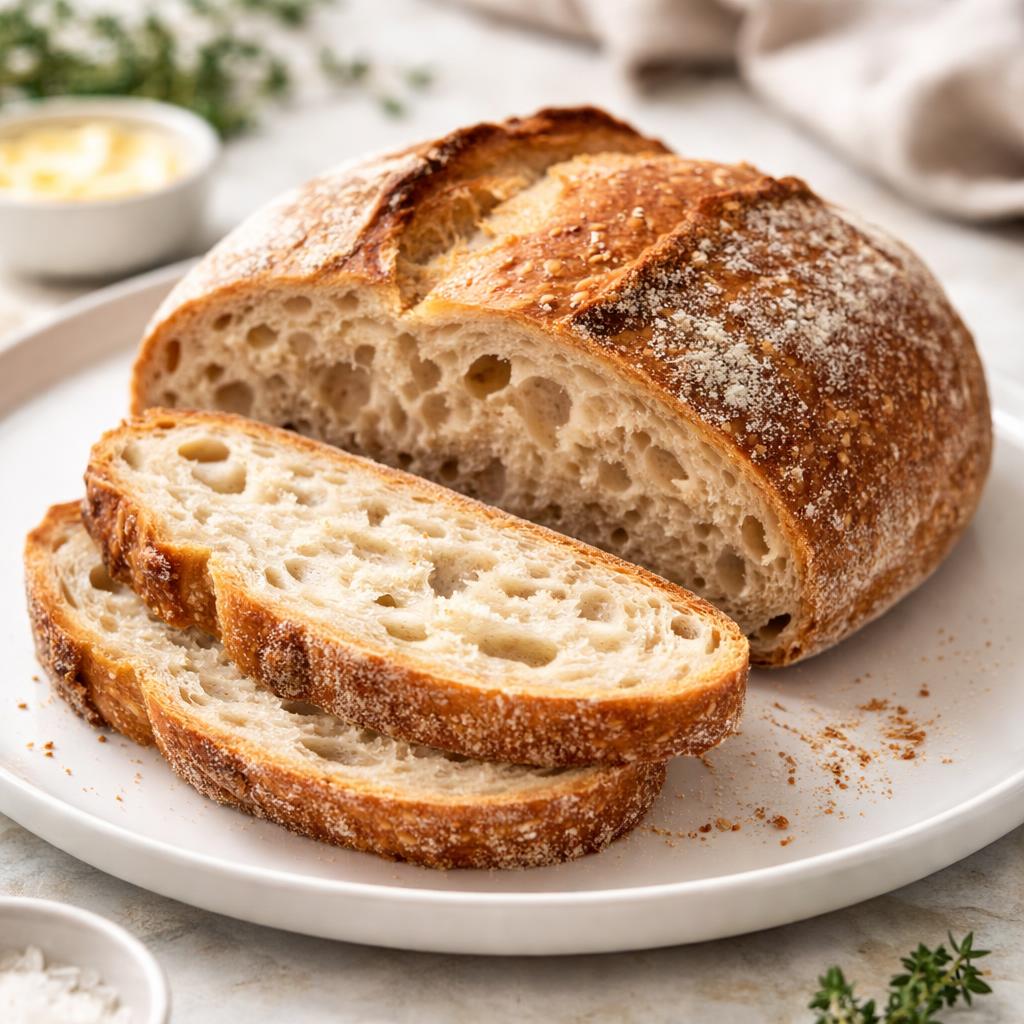
Sourdough Bread
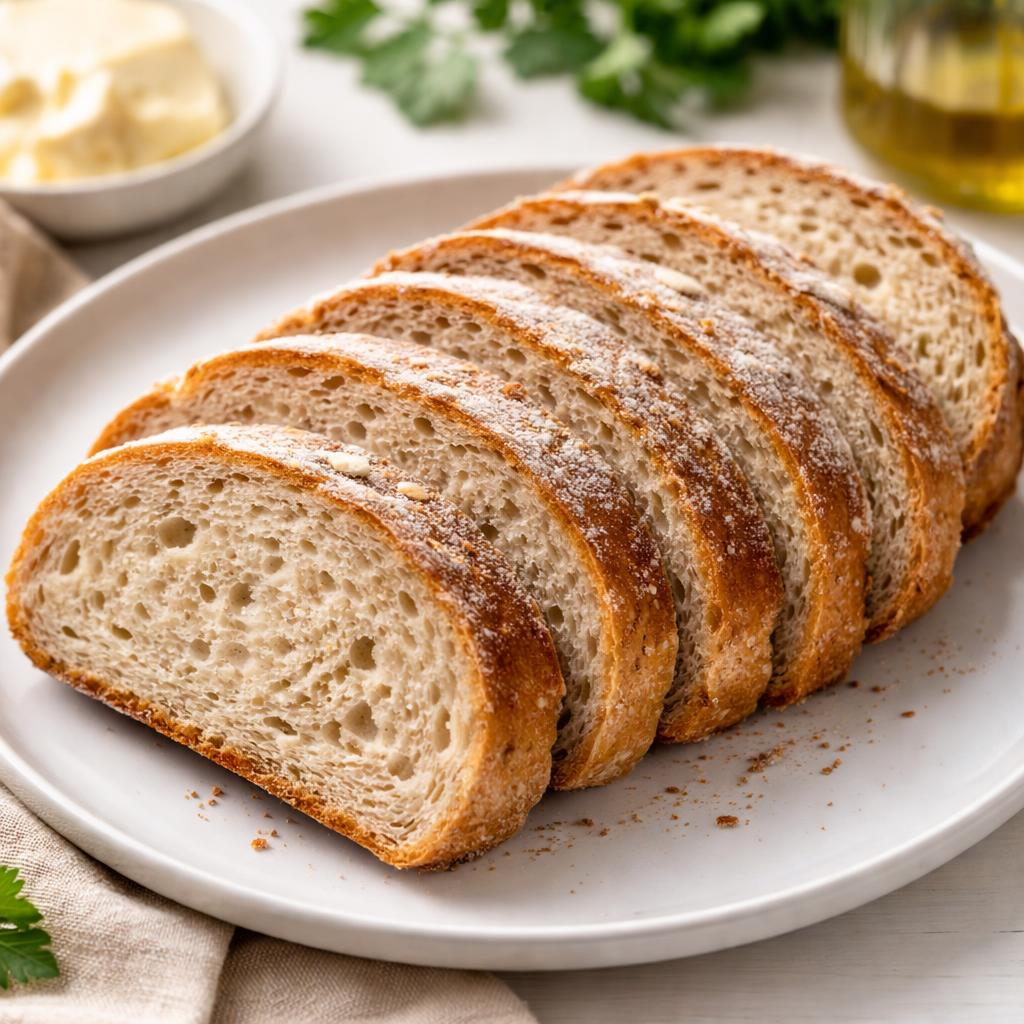
Sliced Bread
🎯 Quick Verdict
Sourdough bread (Food 1) is nutritionally superior due to its lower calorie count, higher fiber content, and gut-health benefits from fermentation. Sliced bread (Food 2), while similar in protein, typically contains more preservatives and added sugars but may offer better convenience due to wider availability and longer shelf life.

Smart Nutrition Tracking with SnapCalorie

📊 Nutritional Comparison
Macronutrients
| Nutrient | Food 1 | Food 2 | Winner |
|---|---|---|---|
| Calories | 120 per slice | 140 per slice | ✓ |
| Protein | 4g per slice | 4g per slice | − |
| Carbs | 20g per slice | 22g per slice | ✓ |
| Fat | 0.6g per slice | 1.5g per slice | ✓ |
| Fiber | 1.5g per slice | 1g per slice | ✓ |
Vitamins & Minerals
| Nutrient | Food 1 | Food 2 | Winner |
|---|---|---|---|
| Vitamin D | 0mcg | 0mcg | − |
| Calcium | 15mg | 30mg | ✓ |
| Iron | 0.6mg | 0.7mg | ✓ |
🏆 Category Winners
Protein
Both foods provide 4g of protein per slice.
Fiber
Sourdough bread provides 50% more fiber, aiding digestion.
Calories
Sourdough bread has 14% fewer calories per slice.
Vitamins
Sliced bread typically contains fortification with calcium and iron.
🥗 Diet Compatibility
Keto
Food 1: Not Compatible
Food 2: Not Compatible
Both are high-carb and unsuitable for keto diets.
Vegan
Food 1: Compatible
Food 2: Compatible
Neither contains animal-based ingredients.
Gluten Free
Food 1: Not Compatible
Food 2: Not Compatible
Both are made from wheat and contain gluten.
Paleo
Food 1: Not Compatible
Food 2: Not Compatible
Grains are excluded from paleo diets.
Low-Carb
Food 1: Not Compatible
Food 2: Not Compatible
Both foods are high in carbohydrates.
💪 Health Benefits Comparison
Food 1 Benefits
- Gut-friendly due to natural fermentation
- Lower glycemic index compared to regular bread
- Good source of fiber for digestion
- Lower calorie count, useful for weight management
Food 2 Benefits
- Convenient and widely available
- Often fortified with calcium and iron for bone health
- Higher shelf life due to preservatives
- Quick energy source from carbohydrates
✅ The Bottom Line
Sourdough bread is ideal for those looking for a more nutritious and gut-health-friendly bread, especially with fewer calories and higher fiber. Sliced bread may suit those prioritizing convenience and fortified nutrients like calcium and iron.
Choose Food 1 for: Gut health, weight management, artisanal bread lovers
Choose Food 2 for: Convenience, fortified nutrients, long shelf life


