Sourdough Bread VS Raisin Bread
A detailed nutritional comparison
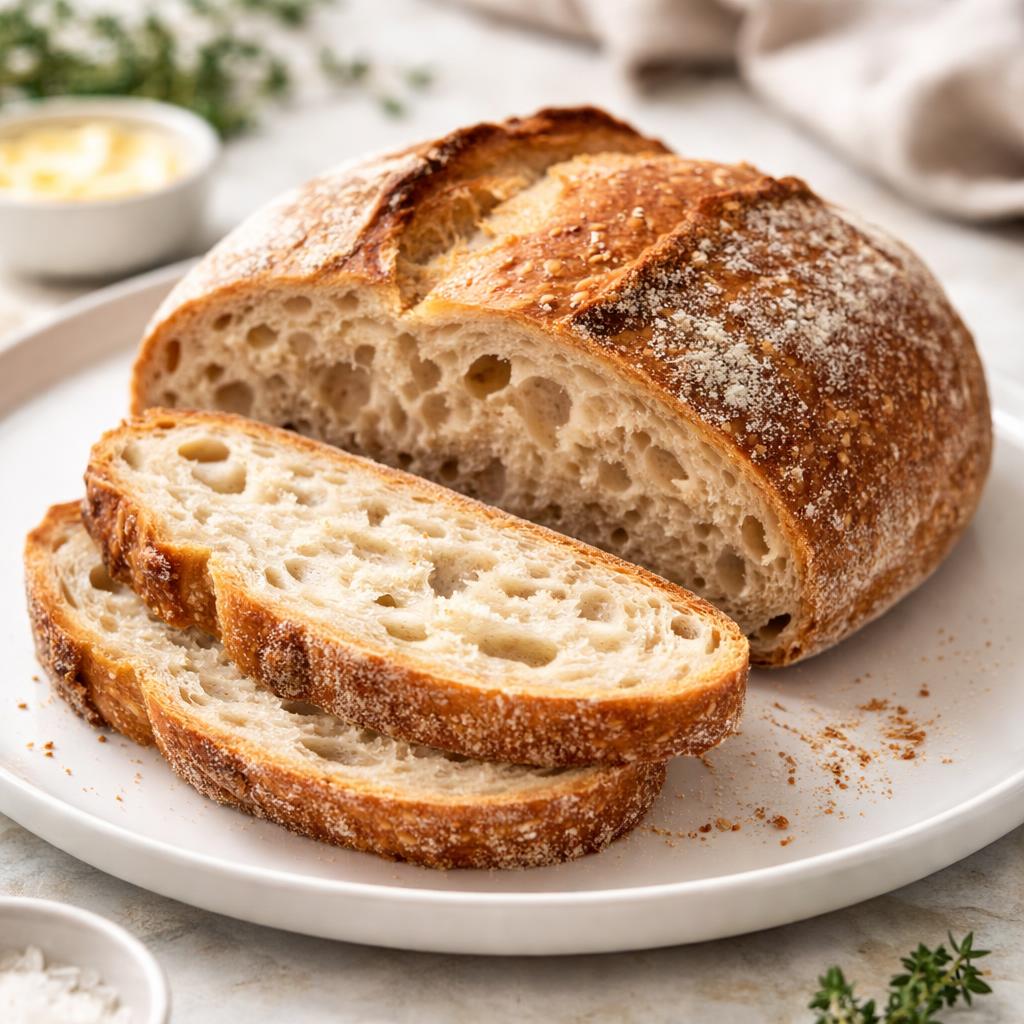
Sourdough Bread
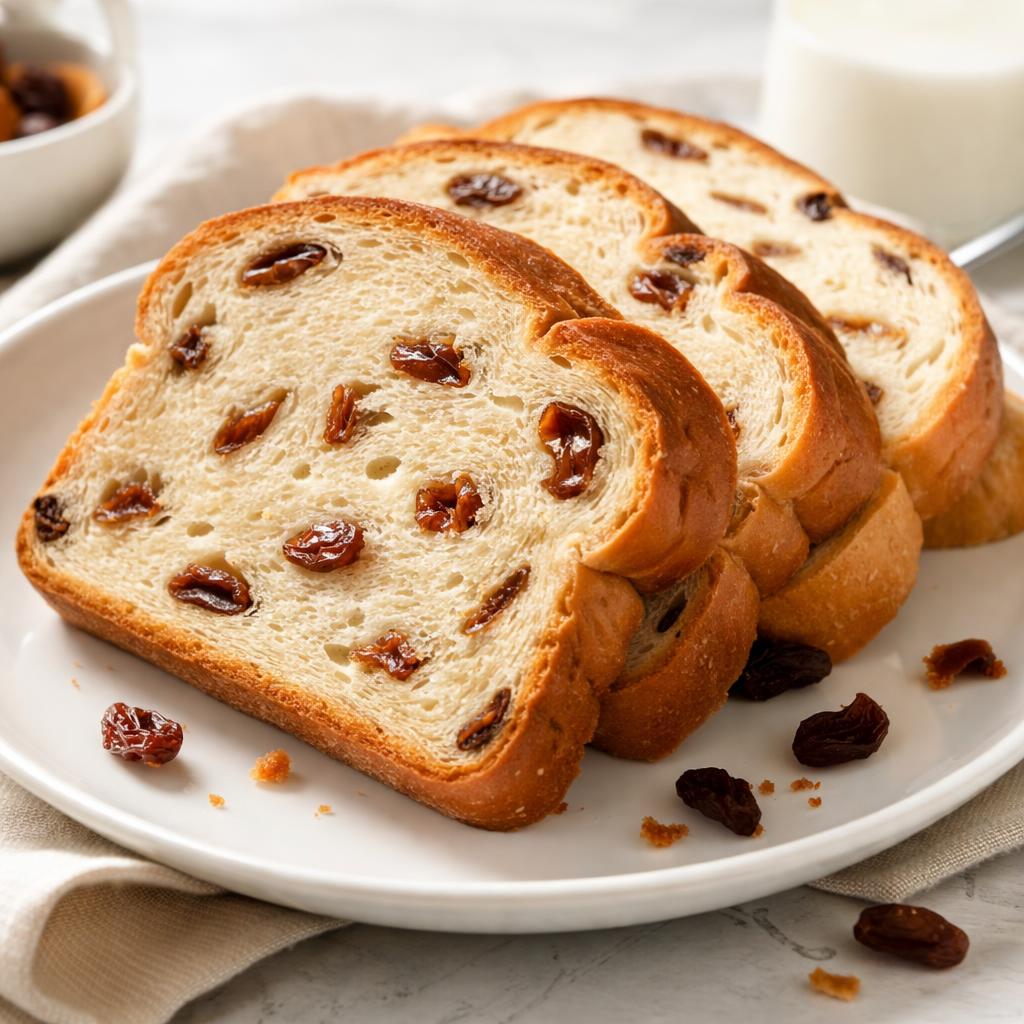
Raisin Bread
🎯 Quick Verdict
Sourdough bread generally has fewer calories and carbohydrates compared to raisin bread, while offering more protein and fiber. Raisin bread provides some added sweetness and is slightly higher in vitamins due to the raisins. Sourdough is better for weight management and digestive health, while raisin bread is better for energy and snacking occasions.

Smart Nutrition Tracking with SnapCalorie

📊 Nutritional Comparison
Macronutrients
| Nutrient | Food 1 | Food 2 | Winner |
|---|---|---|---|
| Calories | 120 | 160 | ✓ |
| Protein | 5g | 3g | ✓ |
| Carbs | 23g | 34g | ✓ |
| Fat | 1g | 2g | ✓ |
| Fiber | 2g | 1g | ✓ |
Vitamins & Minerals
| Nutrient | Food 1 | Food 2 | Winner |
|---|---|---|---|
| Vitamin D | 0mcg | 0mcg | − |
| Calcium | 10mg | 15mg | ✓ |
| Iron | 0.7mg | 0.9mg | ✓ |
🏆 Category Winners
Protein
Sourdough bread contains 66% more protein than raisin bread.
Fiber
Sourdough has double the fiber compared to raisin bread.
Calories
Sourdough bread has 25% fewer calories than raisin bread.
Vitamins
Raisin bread contains slightly higher amounts of calcium and iron, mainly due to the raisins.
🥗 Diet Compatibility
Keto
Food 1: Not Compatible
Food 2: Not Compatible
Both are high in carbs.
Vegan
Food 1: Compatible
Food 2: Compatible
Both breads are typically plant-based unless made with dairy (check labels).
Gluten Free
Food 1: Not Compatible
Food 2: Not Compatible
Both breads contain gluten unless specifically labeled gluten-free.
Paleo
Food 1: Not Compatible
Food 2: Not Compatible
Both contain grains, which are not paleo-friendly.
Low-Carb
Food 1: Not Compatible
Food 2: Not Compatible
Both are too high in carbohydrates for low-carb diets.
💪 Health Benefits Comparison
Food 1 Benefits
- Rich in naturally occurring probiotics for gut health
- Lower glycemic index, helping to stabilize blood sugar levels
- Good source of protein for maintaining energy and muscle mass
- Contains antioxidants from fermented dough
Food 2 Benefits
- Provides instant and sustained energy through natural sugars in raisins
- Contains small amounts of iron and calcium for bone and blood health
- Offers antioxidant benefits from raisins for cellular protection
- More flavorful, making it an enjoyable snack or breakfast
✅ The Bottom Line
Sourdough bread is a better choice for those focused on weight management, fiber, and gut health, while raisin bread may suit those preferring a sweeter, energy-boosting option. Both have their merits depending on your dietary goals.
Choose Food 1 for: Weight management, digestion, slower digestion
Choose Food 2 for: Quick energy, flavorful breakfasts/snacks, added nutrients from raisins


