Sourdough Bread VS Multigrain Bread
A detailed nutritional comparison
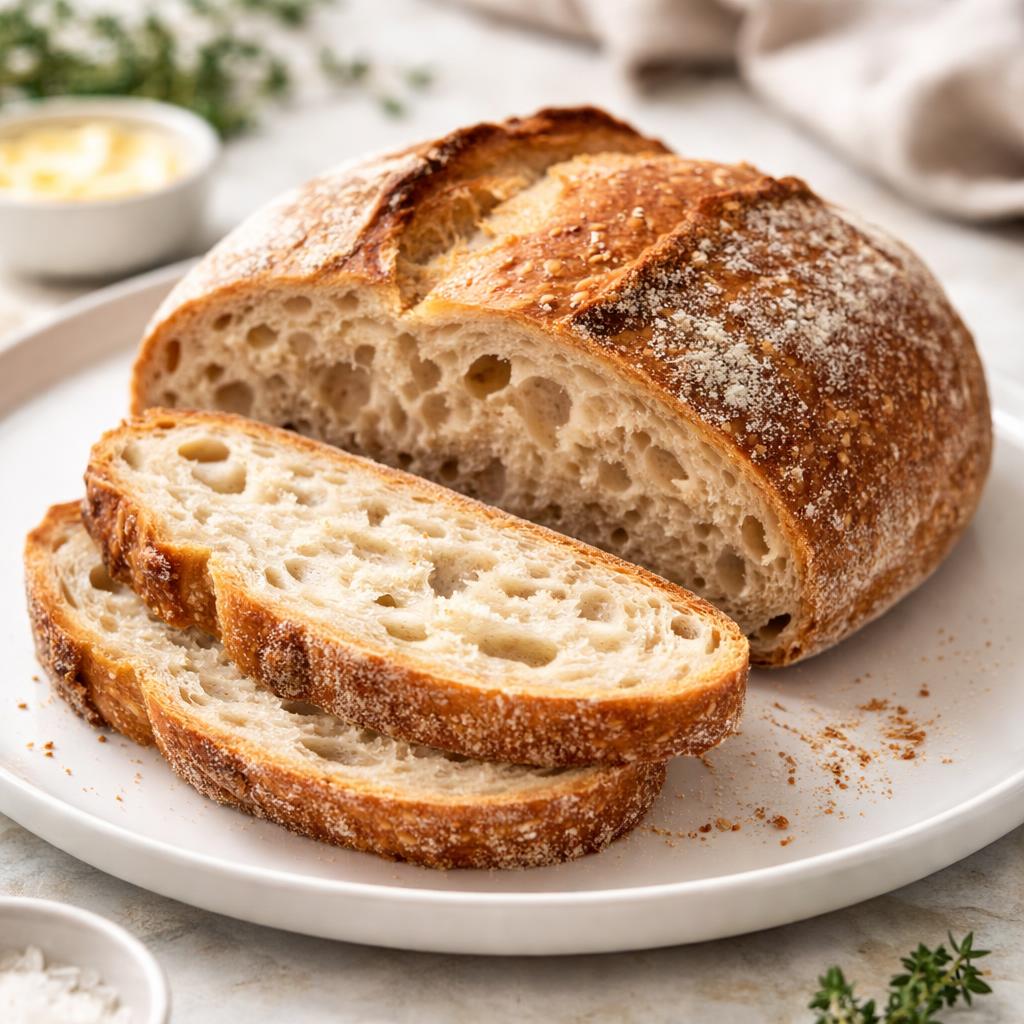
Sourdough Bread
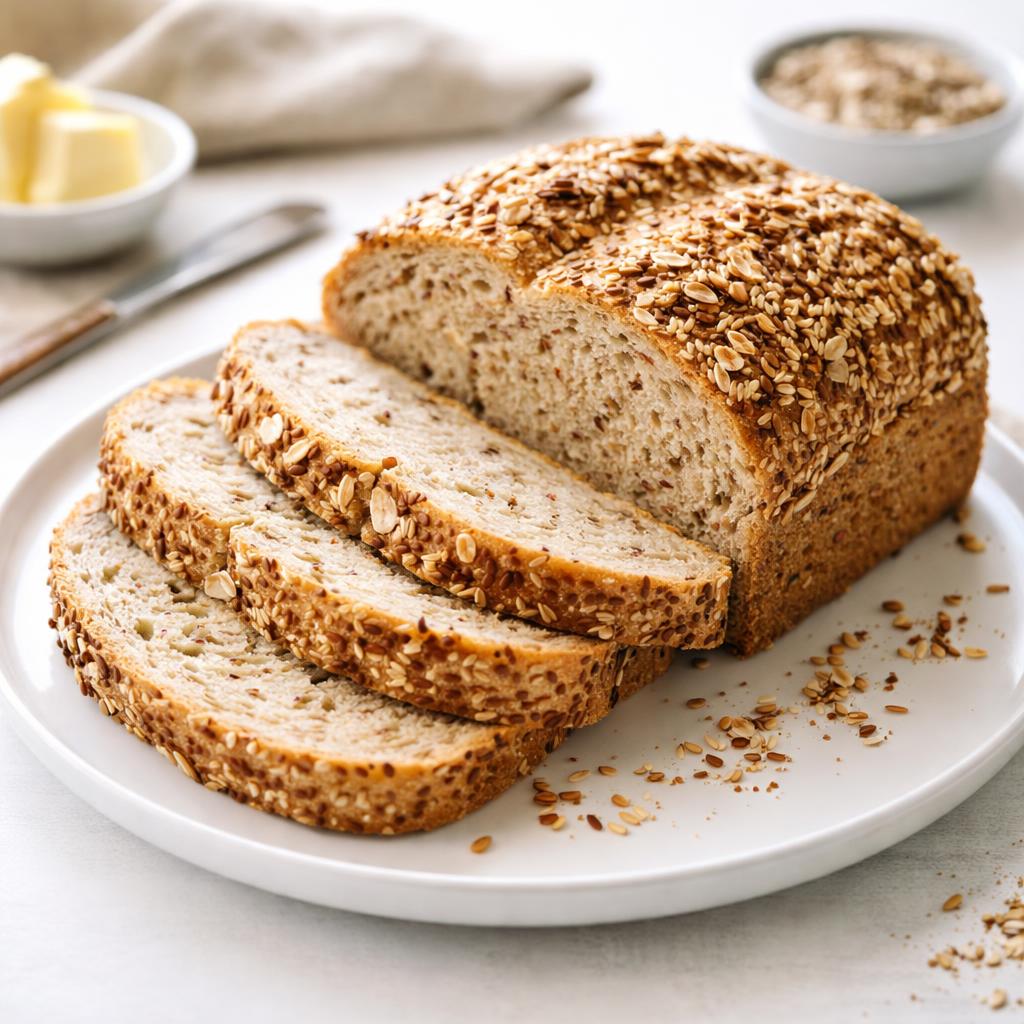
Multigrain Bread
🎯 Quick Verdict
Multigrain bread is the more nutrient-dense option, offering higher protein and fiber along with more vitamins and minerals. Sourdough bread is easier to digest and lower in added ingredients while providing a tangy flavor. Sourdough may be best for those with sensitive digestion, while multigrain bread is ideal for nutrient-focused diets.

Smart Nutrition Tracking with SnapCalorie

📊 Nutritional Comparison
Macronutrients
| Nutrient | Food 1 | Food 2 | Winner |
|---|---|---|---|
| Calories | 120 per slice | 120 per slice | − |
| Protein | 5g per slice | 8g per slice | − |
| Carbs | 22g per slice | 20g per slice | − |
| Fat | 0.5g per slice | 1.5g per slice | − |
| Fiber | 1g per slice | 3g per slice | − |
Vitamins & Minerals
| Nutrient | Food 1 | Food 2 | Winner |
|---|---|---|---|
| Vitamin B1 (Thiamin) | 0.05mg | 0.08mg | − |
| Vitamin B3 (Niacin) | 0.6mg | 1mg | − |
| Iron | 0.5mg | 0.8mg | − |
| Magnesium | 8mg | 20mg | − |
🏆 Category Winners
Protein
Multigrain bread contains 60% more protein per slice compared to sourdough bread.
Fiber
Multigrain bread has three times the fiber content of sourdough bread.
Calories
Both breads contain approximately 120 calories per slice.
Vitamins
Multigrain bread provides a wider range of vitamins and minerals including iron and magnesium.
🥗 Diet Compatibility
Keto
Food 1: Not Compatible
Food 2: Not Compatible
Both breads are high in carbs and not suitable for keto diets.
Vegan
Food 1: Compatible
Food 2: Compatible
Both sourdough and multigrain bread are plant-based and suitable for vegan diets.
Gluten Free
Food 1: Not Compatible
Food 2: Not Compatible
Both breads contain gluten due to wheat or other grains.
Paleo
Food 1: Not Compatible
Food 2: Not Compatible
Neither breads align with paleo guidelines which exclude grains.
Low-Carb
Food 1: Not Compatible
Food 2: Not Compatible
Both breads have high carbohydrate content, exceeding typical low-carb diet thresholds.
💪 Health Benefits Comparison
Food 1 Benefits
- Easier to digest due to fermentation process.
- Potentially lower glycemic index for better blood sugar management.
- Source of natural probiotics beneficial for gut health.
Food 2 Benefits
- High in fiber, supporting digestive health.
- Rich in essential nutrients like magnesium and iron.
- Provides sustained energy with complex carbs and added protein.
✅ The Bottom Line
Multigrain bread is best for optimizing nutrient intake and supporting digestive health due to its higher protein, fiber, and vitamin content. Sourdough bread could be preferable for individuals with sensitive digestion or those seeking a lower glycemic option.
Choose Food 1 for: Sensitive digestion, lower glycemic impact, tangy flavor profiles.
Choose Food 2 for: Higher protein and fiber diets, nutrient density, general health improvement.


