Sourdough Bread VS French Bread
A detailed nutritional comparison
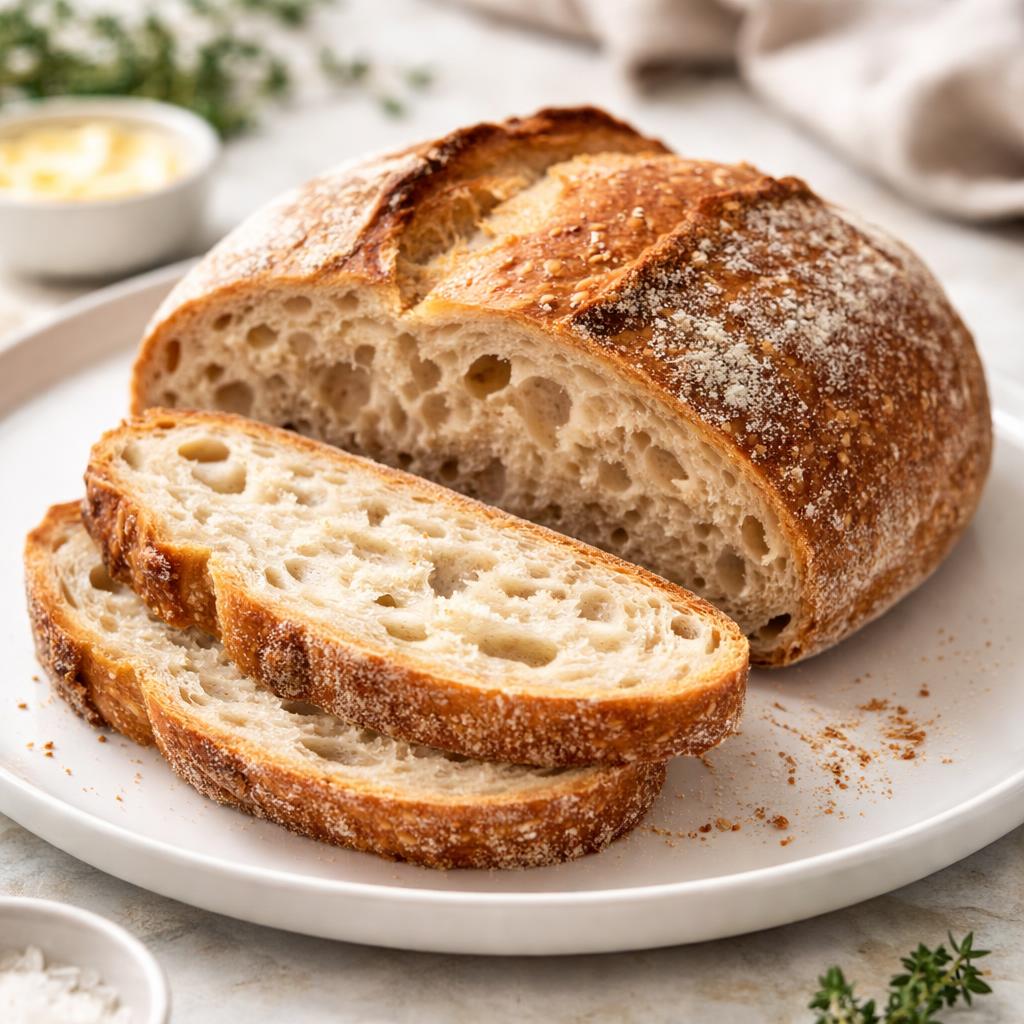
Sourdough Bread

French Bread
🎯 Quick Verdict
Sourdough bread and French bread differ in notable ways. Sourdough contains more fiber, fewer calories, and is slightly easier to digest due to natural fermentation. French bread is higher in carbohydrates and provides quick energy, making it ideal for active lifestyles or pairing with meals when digestion is not a concern.

Smart Nutrition Tracking with SnapCalorie

📊 Nutritional Comparison
Macronutrients
| Nutrient | Food 1 | Food 2 | Winner |
|---|---|---|---|
| Calories | 120 (per slice) | 160 (per slice) | ✓ |
| Protein | 4g | 4g | − |
| Carbs | 20g | 30g | ✓ |
| Fat | 0.8g | 1g | ✓ |
| Fiber | 1.5g | 0.8g | ✓ |
Vitamins & Minerals
| Nutrient | Food 1 | Food 2 | Winner |
|---|---|---|---|
| Vitamin B1 (Thiamine) | 0.14mg | 0.1mg | ✓ |
| Calcium | 17mg | 14mg | ✓ |
| Iron | 0.95mg | 0.8mg | ✓ |
🏆 Category Winners
Protein
Both foods provide identical protein content per serving.
Fiber
Sourdough bread contains nearly twice the fiber (1.5g vs 0.8g).
Calories
Sourdough bread has fewer calories per slice (120 vs 160).
🥗 Diet Compatibility
Keto
Food 1: Not Compatible
Food 2: Not Compatible
Both are high in carbohydrates.
Vegan
Food 1: Compatible
Food 2: Compatible
Both breads are typically plant-based.
Gluten Free
Food 1: Not Compatible
Food 2: Not Compatible
Both are made with wheat containing gluten.
Paleo
Food 1: Not Compatible
Food 2: Not Compatible
Grains do not align with paleo guidelines.
Low-Carb
Food 1: Not Compatible
Food 2: Not Compatible
Both foods are moderate to high in carbs.
💪 Health Benefits Comparison
Food 1 Benefits
- Improved digestion due to fermentation process
- Higher fiber content supports gut health
- Lower carbohydrate count ideal for balanced meals
Food 2 Benefits
- Quick energy from higher carbohydrate content
- Contains small amounts of iron for oxygen transport
- Pairs well with nutrient-dense toppings like hummus or avocado
✅ The Bottom Line
Sourdough bread is the better choice for those looking to reduce calorie intake, increase fiber, or improve digestion. French bread is excellent for active individuals needing quick energy with a versatile pairing option.
Choose Food 1 for: Gut health, weight management, balanced meals
Choose Food 2 for: Quick energy, carb refuel, versatile meal pairing


