Sourdough Bread VS Ciabatta Bread
A detailed nutritional comparison
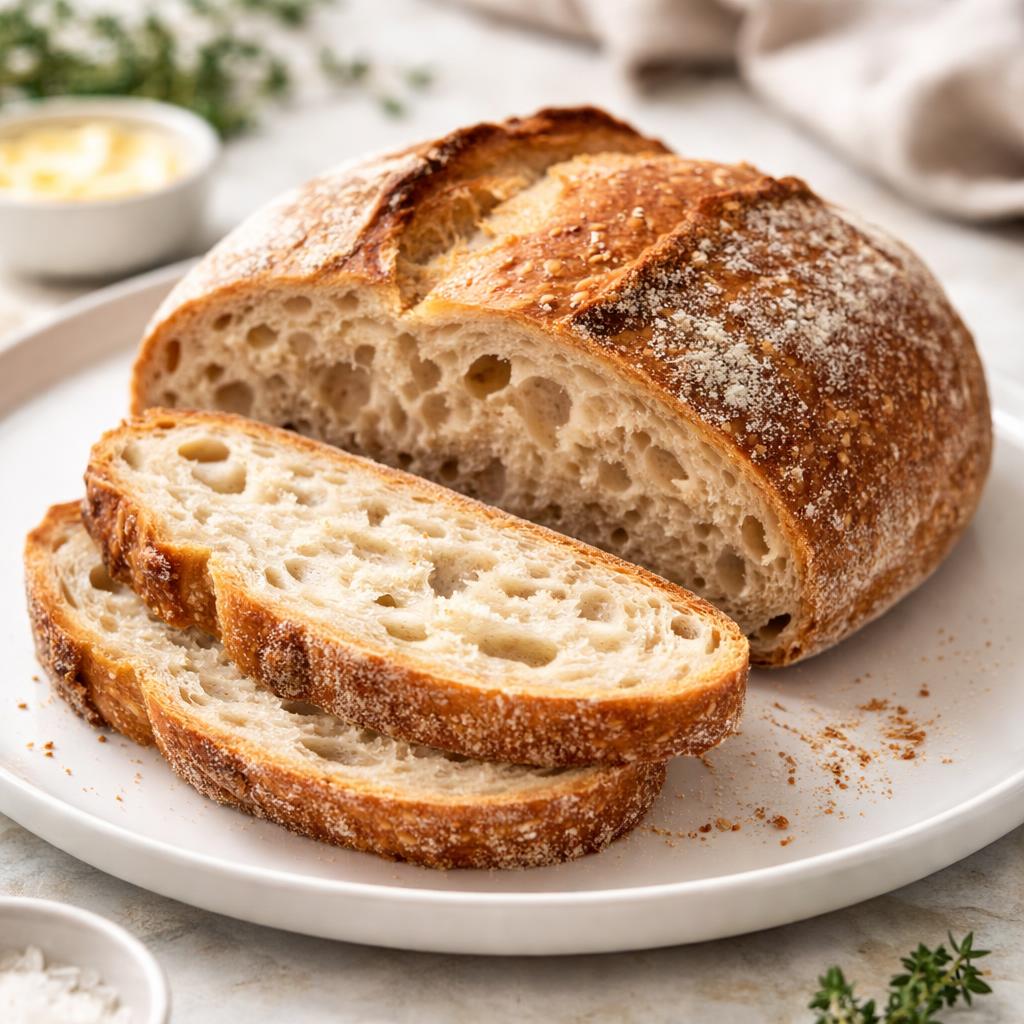
Sourdough Bread
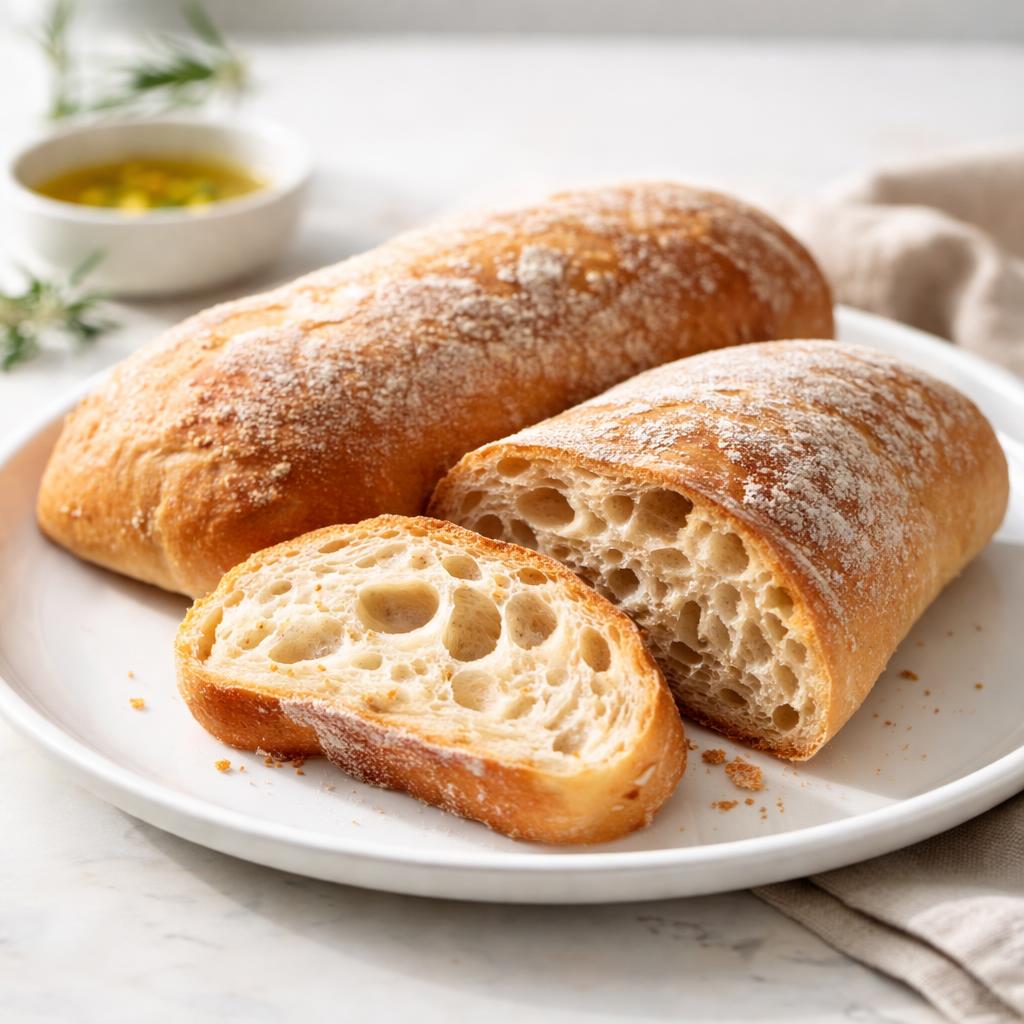
Ciabatta Bread
🎯 Quick Verdict
Sourdough bread has slightly fewer calories and more fiber compared to ciabatta bread, making it a healthier choice for digestion and weight maintenance. Ciabatta bread contains slightly more carbohydrates and is a better option for quick energy needs. Both breads have similar protein levels and are plant-based, making them versatile options for vegans and vegetarians.

Smart Nutrition Tracking with SnapCalorie

📊 Nutritional Comparison
Macronutrients
| Nutrient | Food 1 | Food 2 | Winner |
|---|---|---|---|
| Calories | 120 per slice | 140 per slice | ✓ |
| Protein | 4g per slice | 4g per slice | − |
| Carbs | 20g per slice | 25g per slice | ✓ |
| Fat | 0.5g per slice | 1g per slice | ✓ |
| Fiber | 2g per slice | 1g per slice | ✓ |
Vitamins & Minerals
| Nutrient | Food 1 | Food 2 | Winner |
|---|---|---|---|
| Vitamin B1 (Thiamine) | 0.08mg per slice | 0.06mg per slice | ✓ |
| Calcium | 15mg per slice | 10mg per slice | ✓ |
| Iron | 0.7mg per slice | 0.5mg per slice | ✓ |
🏆 Category Winners
Protein
Both provide 4g of protein per serving.
Fiber
Sourdough offers double the fiber content compared to ciabatta.
Calories
Sourdough contains 14% fewer calories per slice.
Vitamins
Sourdough has slightly higher levels of calcium, iron, and B vitamins.
🥗 Diet Compatibility
Keto
Food 1: Not Compatible
Food 2: Not Compatible
Both are high in carbohydrates, making them unsuitable for keto diets.
Vegan
Food 1: Compatible
Food 2: Compatible
Both breads are plant-based without animal-derived ingredients.
Gluten Free
Food 1: Not Compatible
Food 2: Not Compatible
Both breads contain gluten.
Paleo
Food 1: Not Compatible
Food 2: Not Compatible
Neither bread fits the paleo diet guidelines due to refined grains.
Low-Carb
Food 1: Not Compatible
Food 2: Not Compatible
Both breads contain high carbohydrate content.
💪 Health Benefits Comparison
Food 1 Benefits
- Higher fiber content supports digestive health.
- Lower calorie count aids in weight management.
- Contains naturally occurring probiotics from fermentation.
Food 2 Benefits
- Ideal for quick energy due to higher carbohydrate content.
- Slightly richer in fats for longer satiety.
- Soft texture pairs well with nutrient-dense toppings like olive oil or avocado.
✅ The Bottom Line
Sourdough bread is a better option if you're focused on digestion and calorie control, while ciabatta bread is ideal for immediate energy needs and pairing with hearty toppings. Choose sourdough for a more nutrient-dense option; pick ciabatta for culinary versatility and richer taste.
Choose Food 1 for: Gut health, nutrient density, calorie-conscious diets
Choose Food 2 for: Energy demands, flavor-rich meals, casual dining


