Sourdough Bread VS Bread Bun
A detailed nutritional comparison
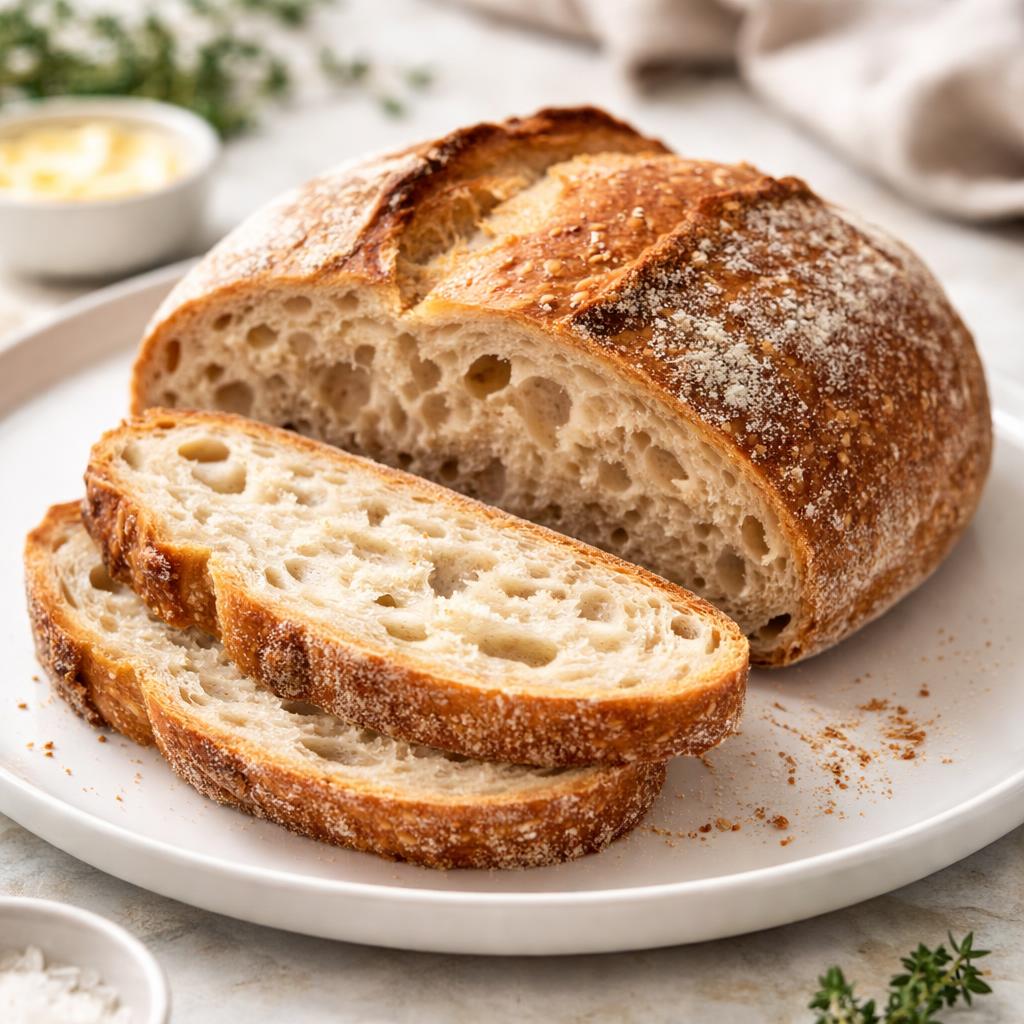
Sourdough Bread

Bread Bun
🎯 Quick Verdict
Sourdough bread is generally more nutrient-dense than a bread bun, offering higher protein, fiber, and fewer calories per serving. Bread buns are typically lower in nutritional value but provide a softer texture that's better for indulgent meals or burgers. Choose sourdough for health-focused meals and bread buns for occasional treats.

Smart Nutrition Tracking with SnapCalorie

📊 Nutritional Comparison
Macronutrients
| Nutrient | Food 1 | Food 2 | Winner |
|---|---|---|---|
| Calories | 130 | 200 | ✓ |
| Protein | 5g | 4g | ✓ |
| Carbs | 24g | 39g | ✓ |
| Fat | 0.5g | 3g | ✓ |
| Fiber | 2g | 1g | ✓ |
Vitamins & Minerals
| Nutrient | Food 1 | Food 2 | Winner |
|---|---|---|---|
| Vitamin D | 0mcg | 0mcg | − |
| Calcium | 10mg | 30mg | ✓ |
| Iron | 1.5mg | 1mg | ✓ |
🏆 Category Winners
Protein
Sourdough bread contains slightly more protein per serving.
Fiber
Sourdough bread has double the fiber content compared to a bread bun.
Calories
Sourdough bread has 35% fewer calories.
Vitamins
Both foods offer limited vitamin D and minerals overall, but bread buns have slightly more calcium.
🥗 Diet Compatibility
Keto
Food 1: Not Compatible
Food 2: Not Compatible
Both are high in carbs and unsuitable for keto diets.
Vegan
Food 1: Compatible
Food 2: Compatible
Both are typically plant-based, depending on added ingredients.
Gluten Free
Food 1: Not Compatible
Food 2: Not Compatible
Both contain gluten from wheat flour.
Paleo
Food 1: Not Compatible
Food 2: Not Compatible
Neither fits paleo diets due to processed grains.
Low Carb
Food 1: Not Compatible
Food 2: Not Compatible
Both are relatively high in carbohydrates, making them unsuitable for low-carb diets.
💪 Health Benefits Comparison
Food 1 Benefits
- Contains natural fermentation which supports gut health
- Moderate fiber content aiding digestion
- Lower glycemic index for better blood sugar control
- Good source of iron for oxygen transport in the body
Food 2 Benefits
- Higher calcium content supporting bone health
- Soft texture suitable for enjoyable meals like sandwiches and burgers
- Provides quick energy due to higher carbohydrate content
✅ The Bottom Line
Choose sourdough bread for its nutrient density and gut health benefits, especially if you're aiming for lower calories and increased fiber. Bread buns are better suited for indulgent recipes where texture and flavor take priority over nutrition.
Choose Food 1 for: Healthy sandwiches, weight management, digestion improvement
Choose Food 2 for: Burgers, occasional treats, energy-packed meals


