Soba Noodles VS Beef Rice Bowl
A detailed nutritional comparison
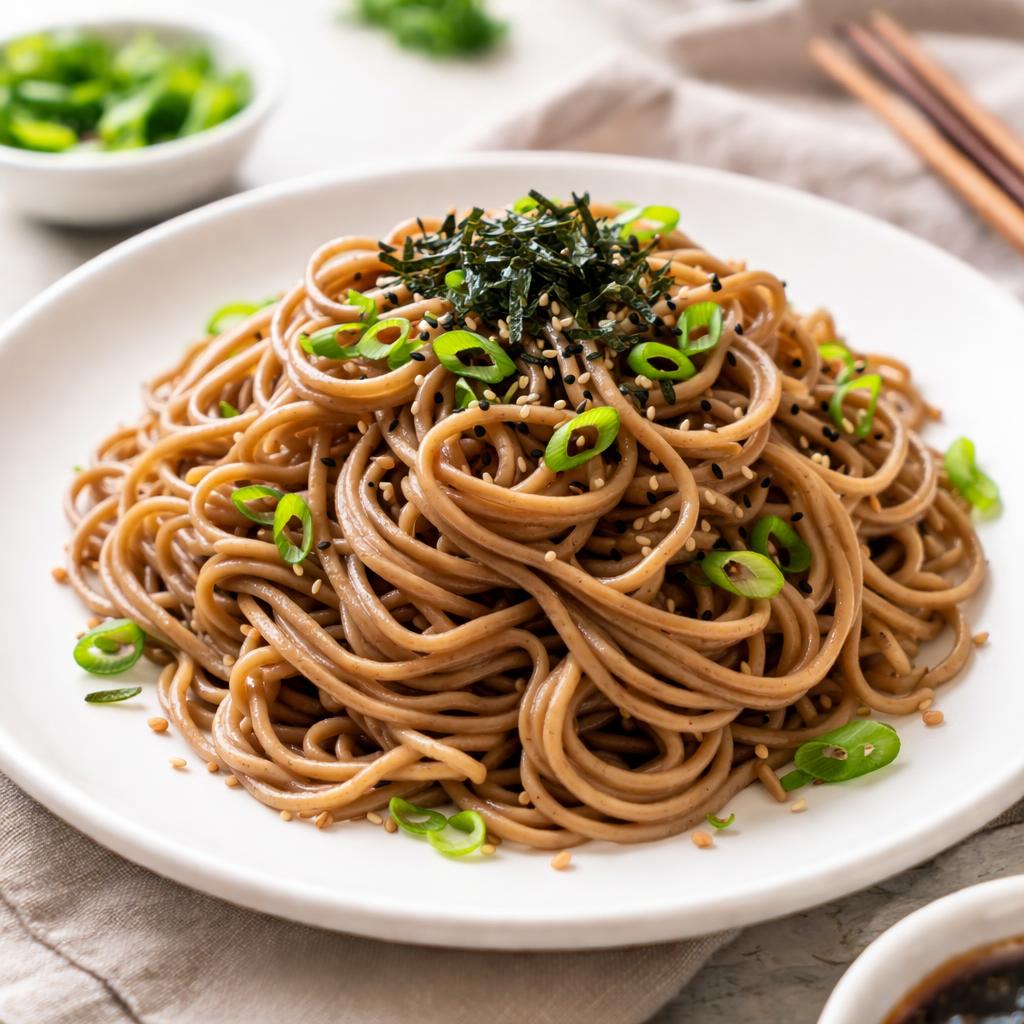
Soba Noodles
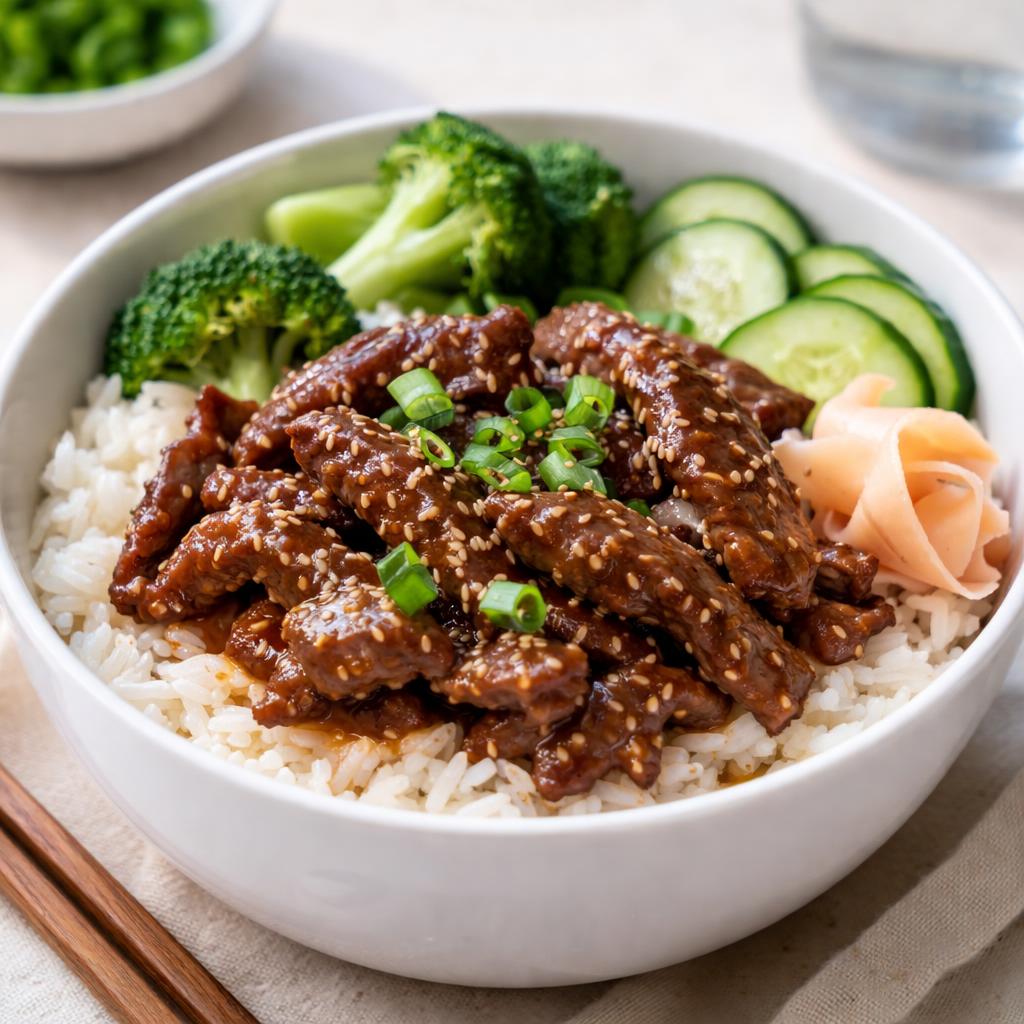
Beef Rice Bowl
🎯 Quick Verdict
Beef rice bowls are higher in protein, making them ideal for muscle building and post-workout meals, whereas soba noodles offer more fiber and fewer calories, suited for digestion support and weight management. Both provide essential nutrients but cater to different dietary needs and goals.

Smart Nutrition Tracking with SnapCalorie

📊 Nutritional Comparison
Macronutrients
| Nutrient | Food 1 | Food 2 | Winner |
|---|---|---|---|
| Calories | 200 | 550 | ✓ |
| Protein | 10g | 25g | ✓ |
| Carbs | 40g | 65g | ✓ |
| Fat | 1g | 15g | ✓ |
| Fiber | 3g | 2g | ✓ |
Vitamins & Minerals
| Nutrient | Food 1 | Food 2 | Winner |
|---|---|---|---|
| Vitamin D | 0mcg | 1mcg | ✓ |
| Calcium | 40mg | 60mg | ✓ |
| Iron | 1.5mg | 3mg | ✓ |
🏆 Category Winners
Protein
Beef rice bowl contains over 150% more protein per serving.
Fiber
Soba noodles provide 50% more fiber, aiding digestion.
Calories
Soba noodles have 60% fewer calories than beef rice bowl.
Vitamins
Beef rice bowl is richer in essential vitamins like iron and calcium.
🥗 Diet Compatibility
Keto
Food 1: Not Compatible
Food 2: Not Compatible
Both are high in carbohydrates and unsuited for keto diets.
Vegan
Food 1: Compatible
Food 2: Not Compatible
Soba noodles are plant-based, whereas beef rice bowls contain animal products.
Gluten Free
Food 1: Not Compatible
Food 2: Compatible
Soba noodles often contain wheat, while beef rice bowls are naturally gluten-free.
Paleo
Food 1: Not Compatible
Food 2: Compatible
Beef rice bowls align with paleo guidelines, but soba noodles are processed grains and excluded from paleo diets.
Low-Carb
Food 1: Not Compatible
Food 2: Not Compatible
Both foods are carb-dense and do not fit low-carb dietary patterns.
💪 Health Benefits Comparison
Food 1 Benefits
- High in fiber, aiding digestion and gut health
- Low calorie option suitable for weight management
- Contains minerals like manganese for bone health
Food 2 Benefits
- Rich in protein for muscle growth and repair
- Provides iron, supporting blood oxygen levels
- Contains healthy fats for energy and satiety
✅ The Bottom Line
Choose soba noodles for a lower-calorie, high-fiber option, great for digestion and light meals. Opt for beef rice bowls when prioritizing protein-rich, nutrient-dense meals suitable for muscle recovery or energy-intensive days.
Choose Food 1 for: Weight management, light lunches, vegan diets
Choose Food 2 for: Post-workout recovery, muscle growth, hearty meals


