Sliced Bread VS Toasted Bread
A detailed nutritional comparison
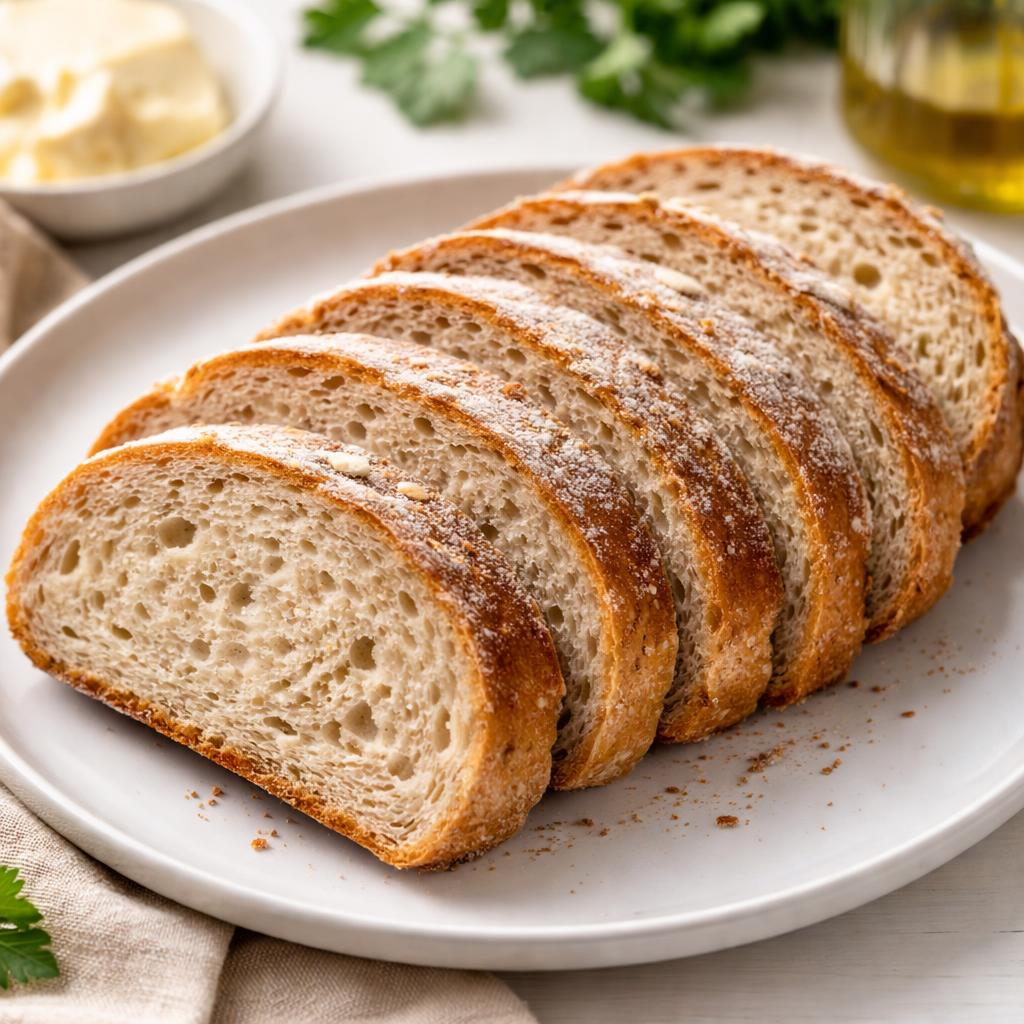
Sliced Bread
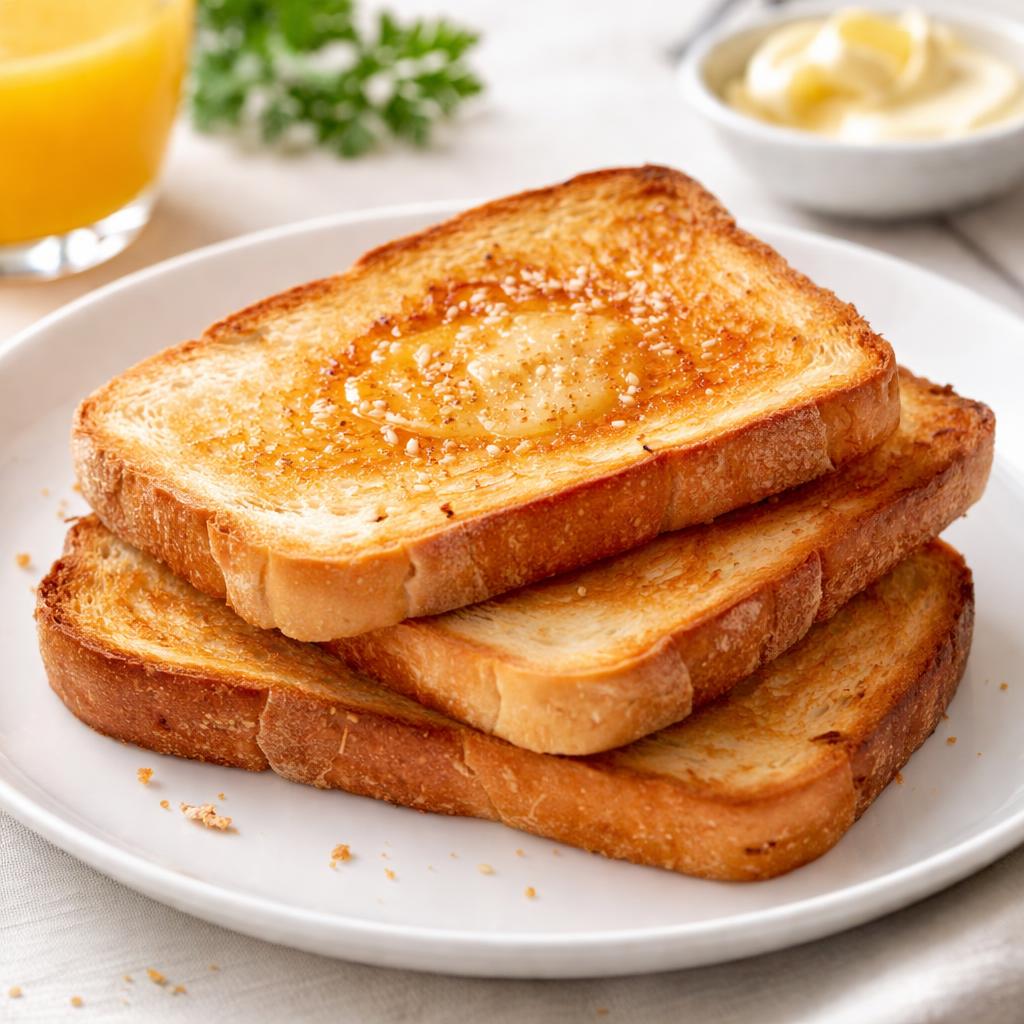
Toasted Bread
🎯 Quick Verdict
Sliced bread and toasted bread are nutritionally identical, as toasting only removes some moisture without altering macronutrient composition significantly. Both are excellent sources of carbohydrates and provide small amounts of protein and fiber. Toasted bread may be preferred for its texture and easier digestibility, while sliced bread is softer and suitable for sandwiches or wraps.

Smart Nutrition Tracking with SnapCalorie

📊 Nutritional Comparison
Macronutrients
| Nutrient | Food 1 | Food 2 | Winner |
|---|---|---|---|
| Calories | 80 | 80 | − |
| Protein | 3g | 3g | − |
| Carbs | 15g | 15g | − |
| Fat | 1g | 1g | − |
| Fiber | 1g | 1g | − |
Vitamins & Minerals
| Nutrient | Food 1 | Food 2 | Winner |
|---|---|---|---|
| Vitamin D | 0mcg | 0mcg | − |
| Calcium | 50mg | 50mg | − |
| Iron | 0.6mg | 0.6mg | − |
🏆 Category Winners
Protein
Both sliced and toasted bread provide equal protein content of 3g per serving.
Fiber
Both foods provide 1g of fiber per slice, making them equivalent in this category.
Calories
Sliced and toasted bread both contain 80 calories per slice.
🥗 Diet Compatibility
Keto
Food 1: Not Compatible
Food 2: Not Compatible
Both are high in carbohydrates and not suitable for keto diets.
Vegan
Food 1: Compatible
Food 2: Compatible
Breads are plant-based in most cases.
Gluten Free
Food 1: Not Compatible
Food 2: Not Compatible
Unless labeled gluten-free, regular bread contains gluten.
Paleo
Food 1: Not Compatible
Food 2: Not Compatible
Bread is made from processed grains, which are not paleo-friendly.
Low-Carb
Food 1: Not Compatible
Food 2: Not Compatible
Both foods have 15g carbohydrates per slice.
💪 Health Benefits Comparison
Food 1 Benefits
- Provides quick energy from carbohydrates
- Contains small amounts of protein for tissue repair
- Offers dietary fiber to aid in digestion
Food 2 Benefits
- Easier to digest for some individuals due to reduced moisture
- Offers similar energy and macronutrients
- Can be a comforting food due to its crisp texture
✅ The Bottom Line
Sliced bread and toasted bread are nutritionally the same but differ in preparation and texture. Sliced bread is better suited for soft sandwiches, while toasted bread provides a crunchier option ideal for toppings like spreads or avocado.
Choose Food 1 for: Soft sandwiches, wraps, everyday use
Choose Food 2 for: Crispy toast as a breakfast option, easier digestion


