Sandwich Bread VS Whole Meal Bread
A detailed nutritional comparison

Sandwich Bread
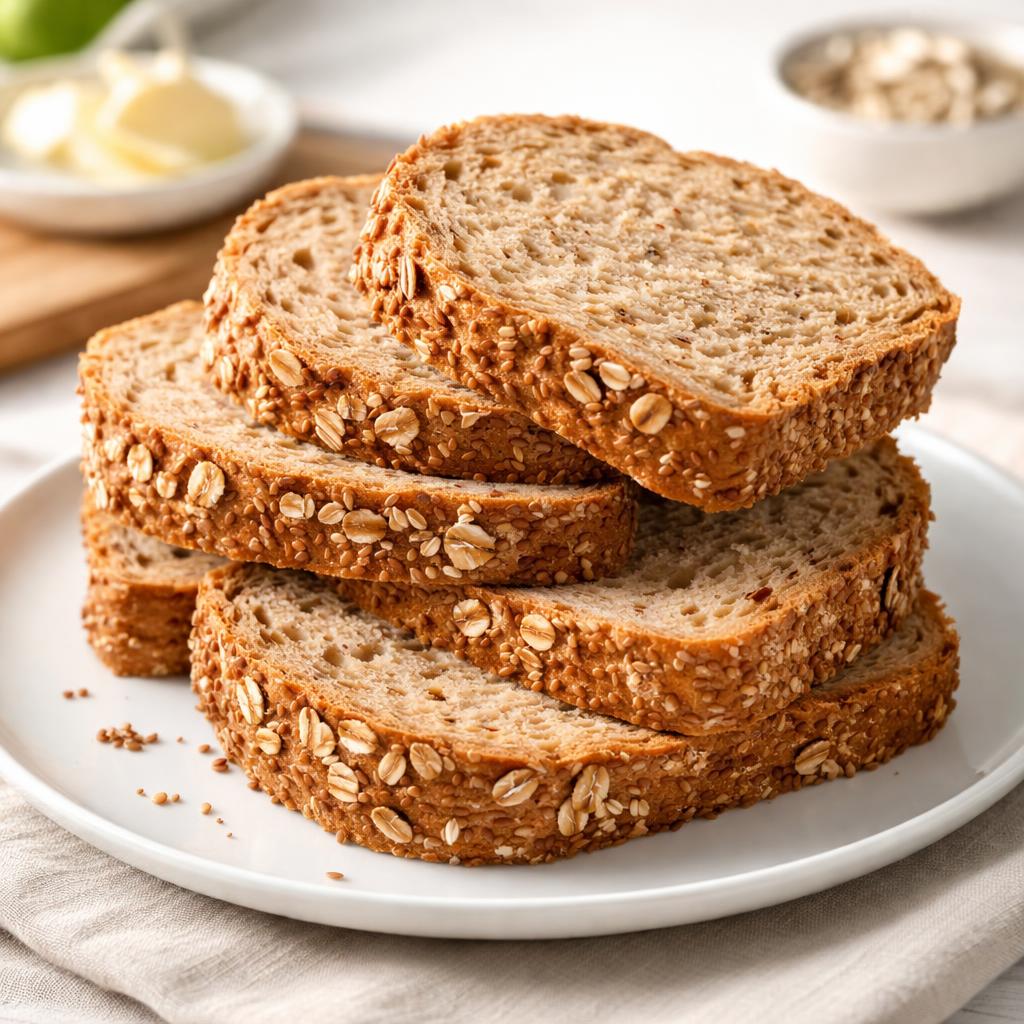
Whole Meal Bread
🎯 Quick Verdict
Whole meal bread edges out sandwich bread in most nutritional categories, offering more protein, fiber, and fewer calories. While sandwich bread is typically softer, whole meal bread is nutrient-dense and better suited for those seeking a healthier option or weight management. Sandwich bread may remain an option for those prioritizing taste or versatility in recipes.

Smart Nutrition Tracking with SnapCalorie

📊 Nutritional Comparison
Macronutrients
| Nutrient | Food 1 | Food 2 | Winner |
|---|---|---|---|
| Calories | 80 per slice | 70 per slice | ✓ |
| Protein | 2g per slice | 4g per slice | ✓ |
| Carbs | 15g per slice | 12g per slice | ✓ |
| Fat | 1.5g per slice | 1g per slice | ✓ |
| Fiber | 0.5g per slice | 2g per slice | ✓ |
Vitamins & Minerals
| Nutrient | Food 1 | Food 2 | Winner |
|---|---|---|---|
| Vitamin B6 | 0.05mg | 0.1mg | ✓ |
| Folate | 20mcg | 25mcg | ✓ |
| Iron | 0.5mg | 1mg | ✓ |
🏆 Category Winners
Protein
Whole meal bread has double the protein per slice compared to sandwich bread.
Fiber
Whole meal bread provides 4x more fiber per slice than sandwich bread.
Calories
Whole meal bread has fewer calories per serving, making it better for calorie-conscious diets.
Vitamins
Whole meal bread is richer in essential vitamins like B6, Folate, and Iron.
🥗 Diet Compatibility
Keto
Food 1: Not Compatible
Food 2: Not Compatible
Both breads are high in carbs and not suitable for ketogenic diets.
Vegan
Food 1: Compatible
Food 2: Compatible
Both breads are plant-based when no dairy or eggs are added during production.
Gluten Free
Food 1: Not Compatible
Food 2: Not Compatible
Both breads contain gluten from wheat flour.
Paleo
Food 1: Not Compatible
Food 2: Not Compatible
Neither bread fits within paleo guidelines, which exclude grains.
Low-Carb
Food 1: Not Compatible
Food 2: Not Compatible
Both are relatively high-carb options, unsuitable for low-carb diets.
💪 Health Benefits Comparison
Food 1 Benefits
- Soft texture makes it versatile for sandwiches and light meals
- Contains folate for healthy cell function
- Provides a source of quick energy due to its higher carbohydrate content
Food 2 Benefits
- High in fiber, helping promote healthy digestion
- Provides sustained energy with lower glycemic index than refined bread
- Rich in iron, supporting oxygen transport in the body
- Offers more protein for muscle maintenance and repair
✅ The Bottom Line
Whole meal bread is a healthier option as it provides more protein, fiber, and vitamins while being lower in calories compared to sandwich bread. Opt for sandwich bread primarily if you value its softer texture or versatility in recipes requiring a lighter bread.
Choose Food 1 for: Quick energy, soft textured sandwiches, light meals
Choose Food 2 for: Weight management, fiber-rich diets, nutrient-rich meal choices


