Sandwich Bread VS Whole Bread
A detailed nutritional comparison
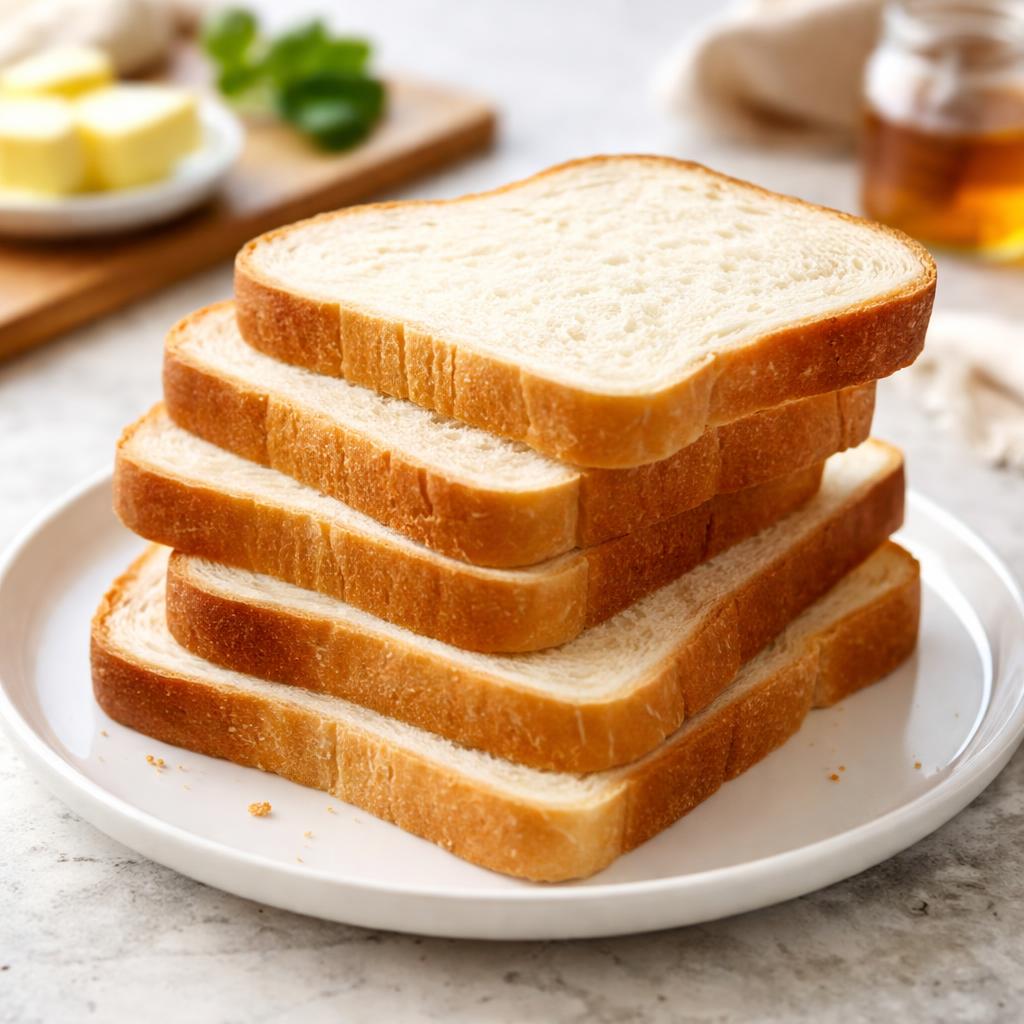
Sandwich Bread
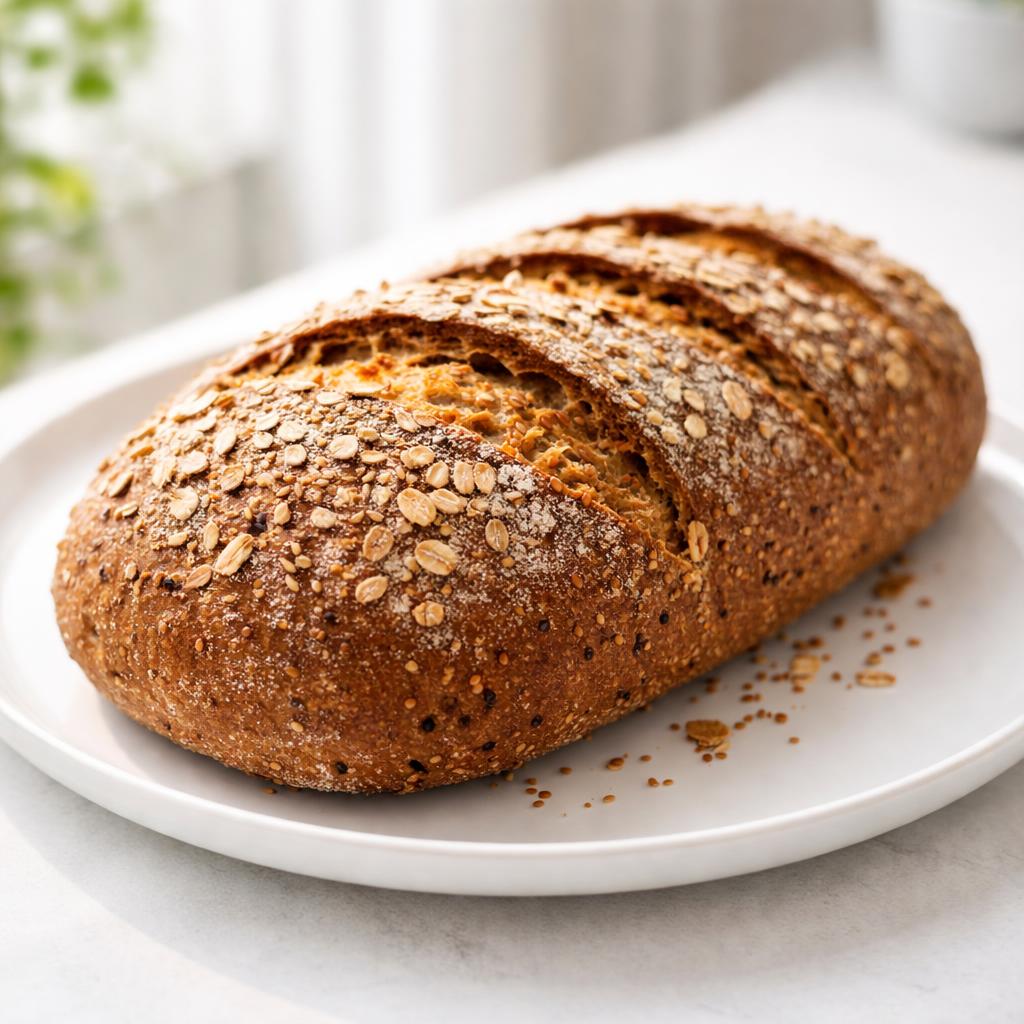
Whole Bread
🎯 Quick Verdict
Whole bread is nutritionally superior to sandwich bread, thanks to its higher fiber content and greater nutrient density. While both are nearly identical in calories and protein, whole bread is better for digestion and satiety, whereas sandwich bread may appeal for its softer texture and convenience in fast meals.

Smart Nutrition Tracking with SnapCalorie

📊 Nutritional Comparison
Macronutrients
| Nutrient | Food 1 | Food 2 | Winner |
|---|---|---|---|
| Calories | 75 (per slice) | 75 (per slice) | − |
| Protein | 3g | 3g | − |
| Carbs | 13g | 12g | − |
| Fat | 1g | 0.5g | − |
| Fiber | 1g | 2g | − |
Vitamins & Minerals
| Nutrient | Food 1 | Food 2 | Winner |
|---|---|---|---|
| Vitamin D | 0mcg | 0mcg | − |
| Calcium | 50mg | 80mg | − |
| Iron | 0.7mg | 1mg | − |
🏆 Category Winners
Protein
Both have equal protein content (3g per serving).
Fiber
Whole bread contains twice as much fiber as sandwich bread (2g vs 1g).
Calories
Calories are equal in both options at 75 per slice.
🥗 Diet Compatibility
Keto
Food 1: Not Compatible
Food 2: Not Compatible
Both are too high in carbs for a keto diet (12-13g per slice).
Vegan
Food 1: Compatible
Food 2: Compatible
Neither contains animal products, provided no extra ingredients are added.
Gluten Free
Food 1: Not Compatible
Food 2: Not Compatible
Both contain gluten unless specifically labeled gluten-free.
Paleo
Food 1: Not Compatible
Food 2: Not Compatible
Bread is not part of the paleo diet due to grain content.
Low Carb
Food 1: Not Compatible
Food 2: Not Compatible
Both exceed the recommended carb limits of a low-carb diet.
💪 Health Benefits Comparison
Food 1 Benefits
- Low in fat
- Quick and convenient source of energy
- Provides small amounts of iron and calcium
Food 2 Benefits
- Higher fiber content aids digestion
- Better nutrient density with more calcium and iron
- Contributes to satiety, helping with portion control
✅ The Bottom Line
Choose sandwich bread for quick meals where texture and convenience are priorities. Opt for whole bread if you value higher fiber and better nutrient density to support digestive health and longer-lasting energy.
Choose Food 1 for: Snacking, light meals, soft texture preferences
Choose Food 2 for: Healthy digestion, nutrient-dense diets, sustained energy


