Sandwich Bread VS Penne Pasta With Tomato Sauce
A detailed nutritional comparison
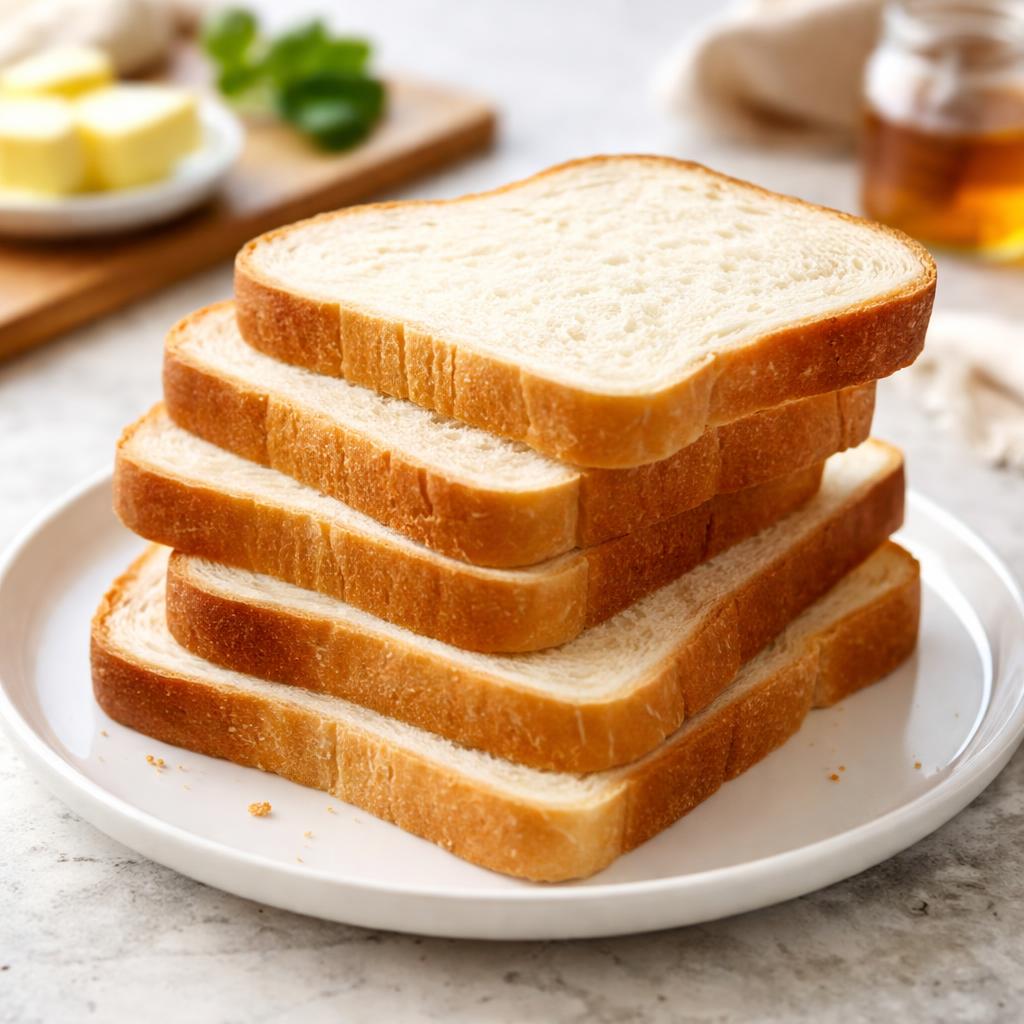
Sandwich Bread
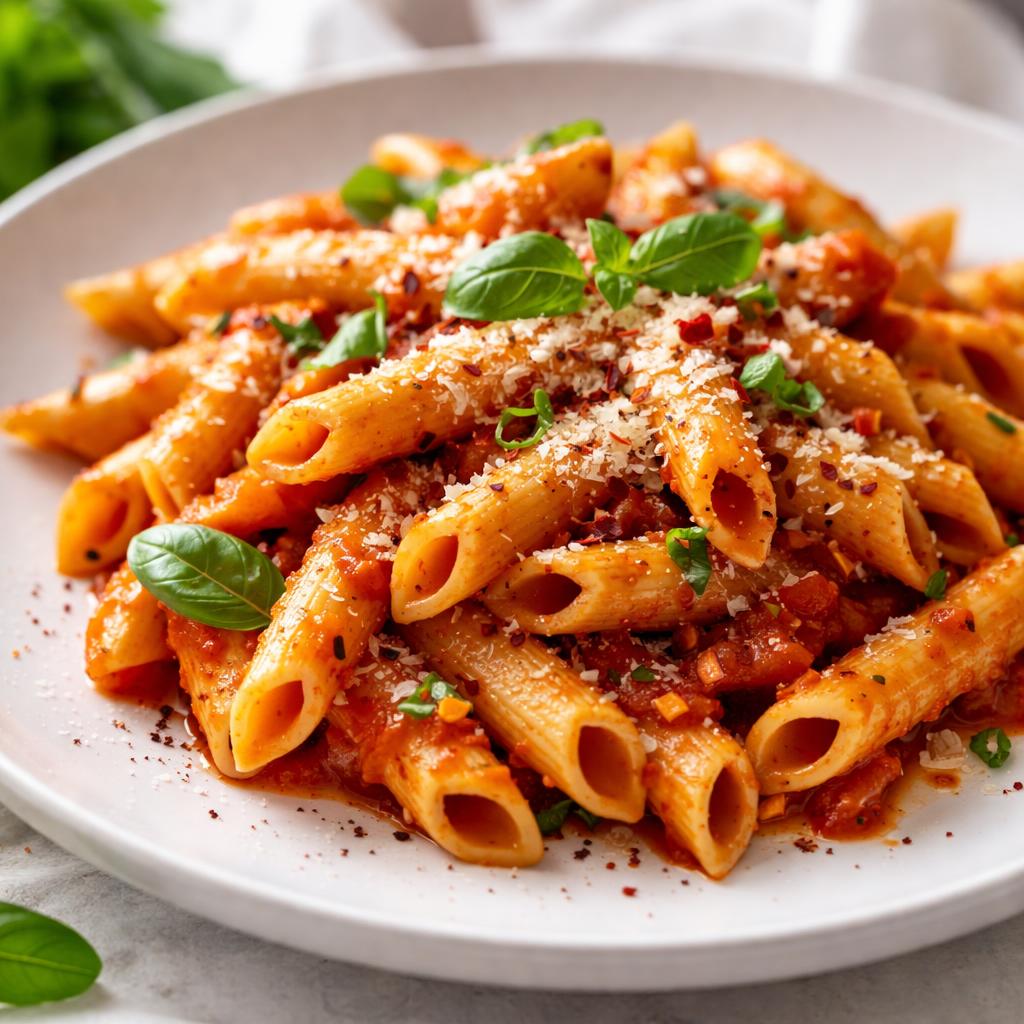
Penne Pasta With Tomato Sauce
🎯 Quick Verdict
Sandwich bread is lower in protein but higher in fiber compared to penne pasta with tomato sauce. The pasta dish offers more protein and is nutrient-dense, while bread is lighter and suitable for low-calorie meals or snacks. Both foods have distinct advantages depending on dietary goals and contexts.

Smart Nutrition Tracking with SnapCalorie

📊 Nutritional Comparison
Macronutrients
| Nutrient | Food 1 | Food 2 | Winner |
|---|---|---|---|
| Calories | 200 (per 2 slices) | 200 (1 cup cooked pasta with sauce) | − |
| Protein | 6g | 8g | ✓ |
| Carbs | 36g | 42g | ✓ |
| Fat | 2.5g | 5g | ✓ |
| Fiber | 4g | 2g | ✓ |
Vitamins & Minerals
| Nutrient | Food 1 | Food 2 | Winner |
|---|---|---|---|
| Vitamin A | 0% | 15% DV | ✓ |
| Calcium | 100mg | 50mg | ✓ |
| Iron | 2mg | 1.5mg | ✓ |
🏆 Category Winners
Protein
Food2 contains 33% more protein than bread per serving.
Fiber
Food1 offers 2x the fiber of the pasta dish per serving.
Calories
Both foods provide similar calorie counts.
Vitamins
Food2 is richer in Vitamin A due to the tomato sauce.
🥗 Diet Compatibility
Keto
Food 1: Not Compatible
Food 2: Not Compatible
Both are high-carb foods.
Vegan
Food 1: Compatible
Food 2: Compatible
Both foods are plant-based.
Gluten Free
Food 1: Not Compatible
Food 2: Not Compatible
Both contain gluten unless explicitly gluten-free versions are used.
Paleo
Food 1: Not Compatible
Food 2: Not Compatible
Neither food fits paleo guidelines.
Low-Carb
Food 1: Not Compatible
Food 2: Not Compatible
Both are carb-heavy foods with over 30 grams of carbs per serving.
💪 Health Benefits Comparison
Food 1 Benefits
- Good source of dietary fiber for digestion
- Low in fat, making it a lighter choice
- Provides iron and calcium for bone health
Food 2 Benefits
- Higher protein supports muscle repair
- Rich in Vitamin A for eye health and immunity
- Contains complex carbs for sustained energy
✅ The Bottom Line
Choose sandwich bread if you need a high-fiber, low-fat option for quick meals or snacks. Pick penne pasta with tomato sauce if you're seeking more protein and Vitamin A in a hearty, nutrient-dense dish.
Choose Food 1 for: Quick snacks, light meals, fiber-rich diet
Choose Food 2 for: Satisfying meals, higher protein needs, nutrient density


