Salad VS White Wine
A detailed nutritional comparison
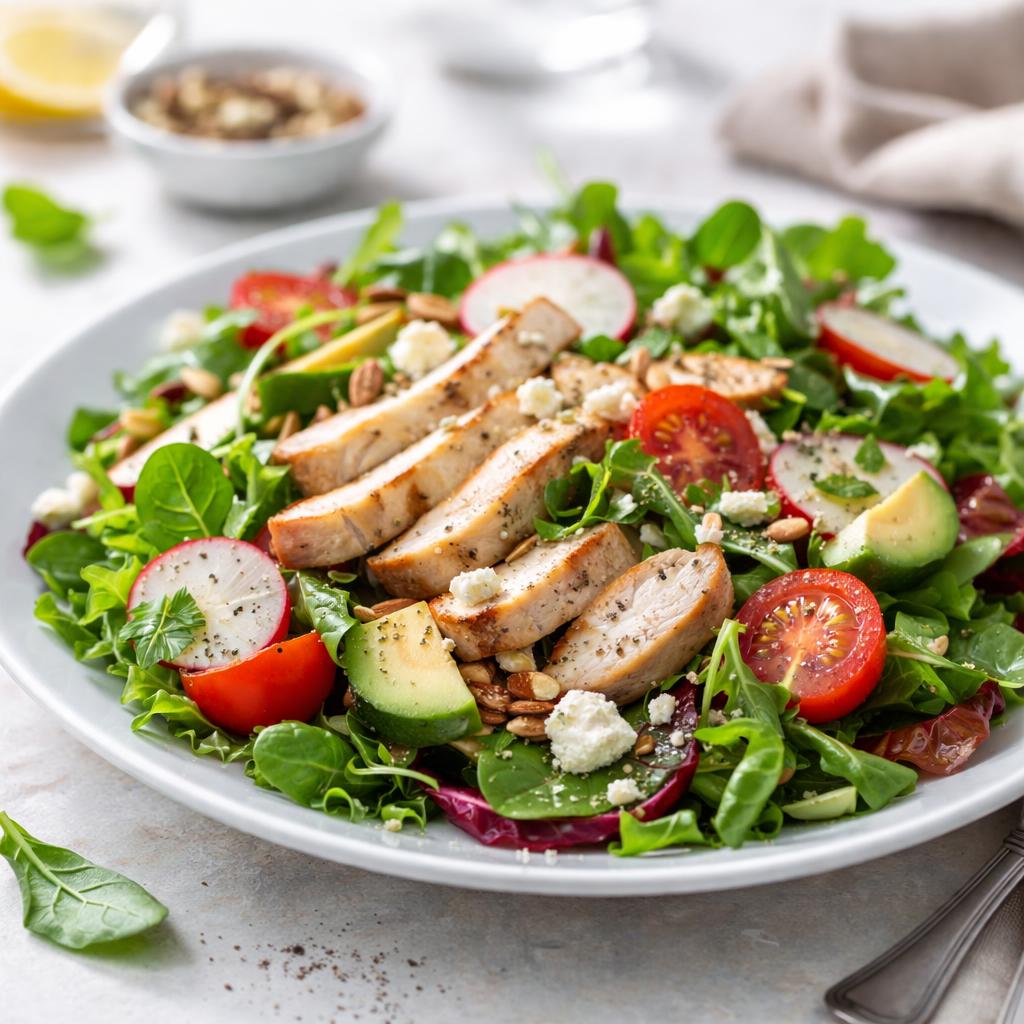
Salad
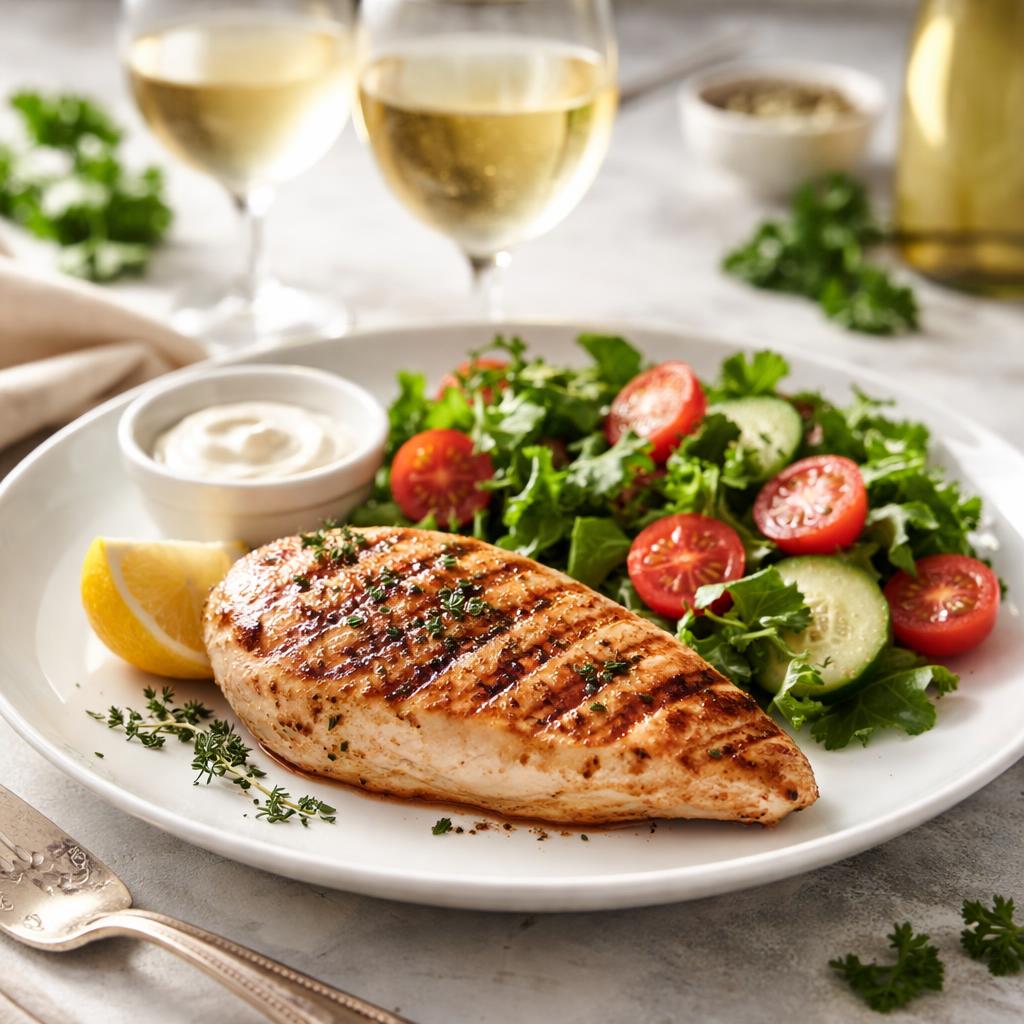
White Wine
🎯 Quick Verdict
Salad is a nutrient-dense food containing essential vitamins, minerals, fiber, and protein, whereas white wine is calorie-dense with no significant macronutrients or fiber but offers some antioxidants. Salad is ideal for satiety and health-focused diets while white wine can be enjoyed as a beverage in moderation for social or leisure purposes.

Smart Nutrition Tracking with SnapCalorie

📊 Nutritional Comparison
Macronutrients
| Nutrient | Food 1 | Food 2 | Winner |
|---|---|---|---|
| Calories | 50 | 120 | ✓ |
| Protein | 3g | 0g | ✓ |
| Carbs | 10g | 5g | ✓ |
| Fat | 1g | 0g | ✓ |
| Fiber | 2g | 0g | ✓ |
Vitamins & Minerals
| Nutrient | Food 1 | Food 2 | Winner |
|---|---|---|---|
| Vitamin A | 1500 IU | 0 IU | ✓ |
| Vitamin C | 15mg | 0mg | ✓ |
| Iron | 0.5mg | 0mg | ✓ |
🏆 Category Winners
Protein
Salad offers 3g of protein, compared to none in white wine.
Fiber
Salad contains 2g of fiber, while white wine has none.
Calories
With just 50 calories per serving, salad is far lower than white wine's 120 calories per serving.
Vitamins
Salad contains significant levels of Vitamin A, Vitamin C, and Iron, while white wine contains virtually none.
🥗 Diet Compatibility
Keto
Food 1: Compatible
Food 2: Moderately Compatible
Salad can be tailored for keto, while white wine fits moderately due to its low carb content.
Vegan
Food 1: Compatible
Food 2: Compatible
Both foods are plant-based and meet vegan criteria.
Gluten Free
Food 1: Compatible
Food 2: Compatible
Neither food inherently contains gluten.
Paleo
Food 1: Compatible
Food 2: Not Compatible
Salad fits paleo guidelines, while white wine does not align with paleo philosophy.
Low-Carb
Food 1: Compatible
Food 2: Moderately Compatible
Salad has low carbs when prepared without starchy add-ins, while white wine has a modest carb contribution (5g per glass).
💪 Health Benefits Comparison
Food 1 Benefits
- High in fiber for promoting digestive health
- Rich in Vitamin A and C for immune support and skin health
- Low-calorie option for weight management
- Contains antioxidants that help reduce inflammation
Food 2 Benefits
- Provides antioxidants such as polyphenols for heart health support
- May improve mood and relaxation when consumed responsibly
- Contains moderate alcohol levels which may be associated with improved HDL cholesterol in small quantities
- Enjoyable addition to meals or social gatherings
✅ The Bottom Line
Salad is clearly the better choice for nutrient density, satiety, and overall health benefits, whereas white wine has a limited role but can be enjoyed in moderation for leisure purposes. Choose salad for weight management and optimal nutrition; opt for white wine as an occasional beverage in social settings.
Choose Food 1 for: Weight management, nutrient-dense diets, digestive health
Choose Food 2 for: Moderation in social settings, relaxation, antioxidant support


