Salad VS White Beans
A detailed nutritional comparison
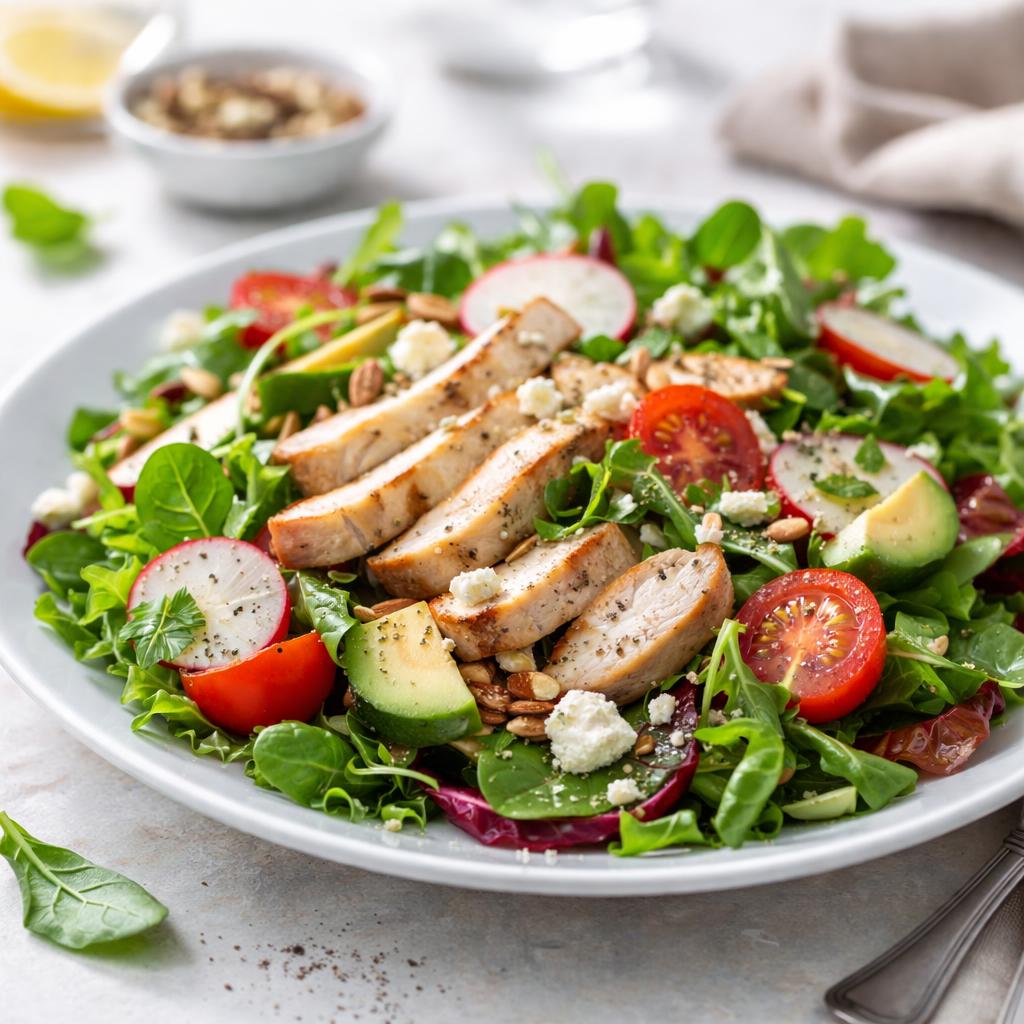
Salad
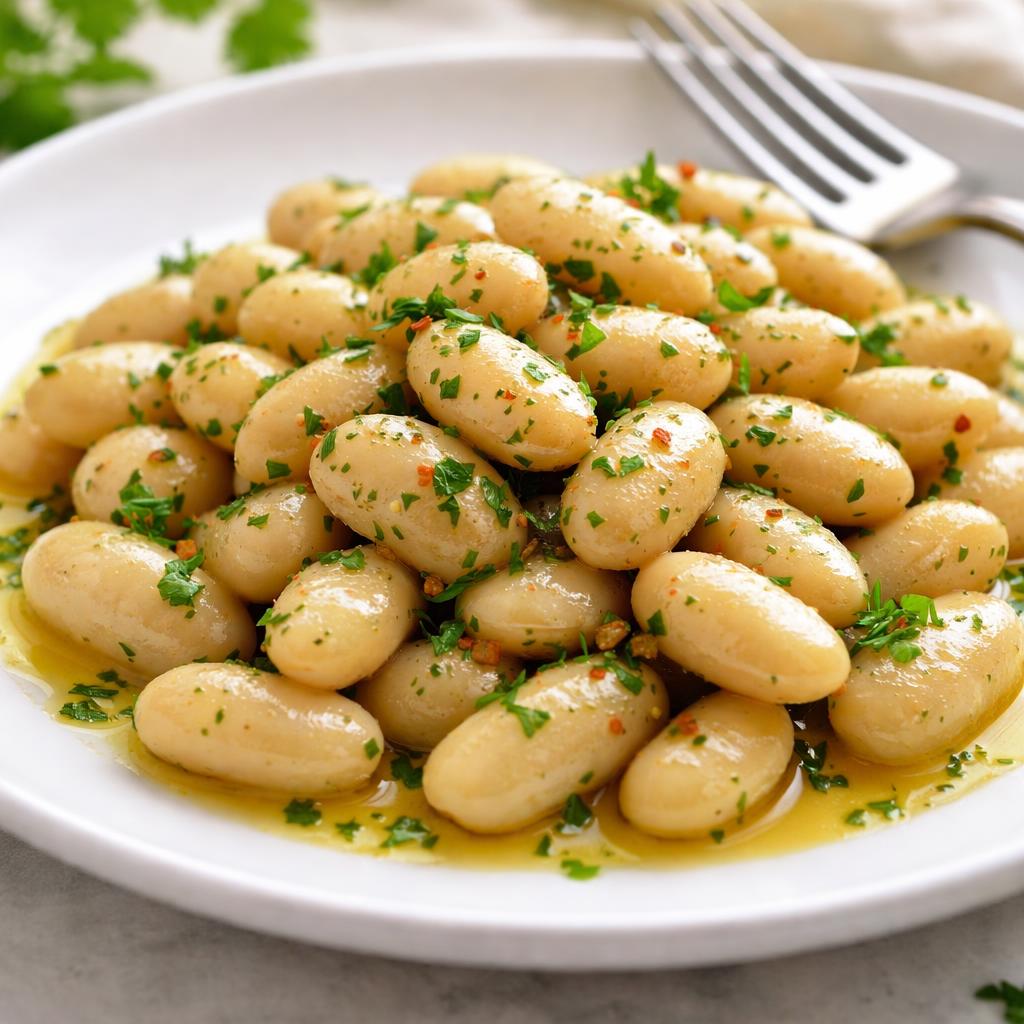
White Beans
🎯 Quick Verdict
Salad is low in calories and ideal for weight management, while white beans are a great source of plant-based protein and fiber, supporting both muscle growth and digestion. Both are versatile and nutritious options for different dietary goals.

Smart Nutrition Tracking with SnapCalorie

📊 Nutritional Comparison
Macronutrients
| Nutrient | Food 1 | Food 2 | Winner |
|---|---|---|---|
| Calories | 50 | 150 | ✓ |
| Protein | 2g | 10g | ✓ |
| Carbs | 10g | 28g | ✓ |
| Fat | 0g | 0.5g | − |
| Fiber | 2g | 9g | ✓ |
Vitamins & Minerals
| Nutrient | Food 1 | Food 2 | Winner |
|---|---|---|---|
| Vitamin C | 15mg | 0mg | ✓ |
| Vitamin K | 80mcg | 3mcg | ✓ |
| Iron | 0.5mg | 4mg | ✓ |
| Magnesium | 15mg | 60mg | ✓ |
🏆 Category Winners
Protein
White beans have significantly more protein (10g vs 2g).
Fiber
White beans contain more fiber (9g vs 2g).
Calories
Salad has only 50 calories compared to 150 in white beans.
Vitamins
Salad excels in vitamin C and K, valuable for immunity and bone health.
🥗 Diet Compatibility
Keto
Food 1: Compatible
Food 2: Not Compatible
Salad is low-carb, while white beans are higher in carbs (28g per serving).
Vegan
Food 1: Compatible
Food 2: Compatible
Both are purely plant-based foods.
Gluten Free
Food 1: Compatible
Food 2: Compatible
Neither food contains gluten.
Paleo
Food 1: Compatible
Food 2: Not Compatible
Salad fits paleo guidelines, but beans are excluded due to legume status.
Low Carb
Food 1: Compatible
Food 2: Not Compatible
Salad is low in carbs (10g), whereas white beans contain 28g of carbs.
💪 Health Benefits Comparison
Food 1 Benefits
- Very low in calories, promoting weight loss
- High in vitamin C for immune health
- Rich in vitamin K for bone strength and blood clotting
Food 2 Benefits
- Great source of plant-based protein for muscle growth
- High in fiber to support digestion and gut health
- Rich in iron for improved oxygen transport in the body
- Provides magnesium for energy production and nerve health
✅ The Bottom Line
Choose salad for weight management, low-calorie meals, and daily vitamin boosts. Opt for white beans if you need a protein-packed, fiber-rich option for muscle maintenance and digestive health. Both can complement a balanced diet depending on your goals.
Choose Food 1 for: Weight loss, light meals, immune support
Choose Food 2 for: Plant-based protein needs, digestion support, energy boosting


