Salad VS Whipped Cream
A detailed nutritional comparison
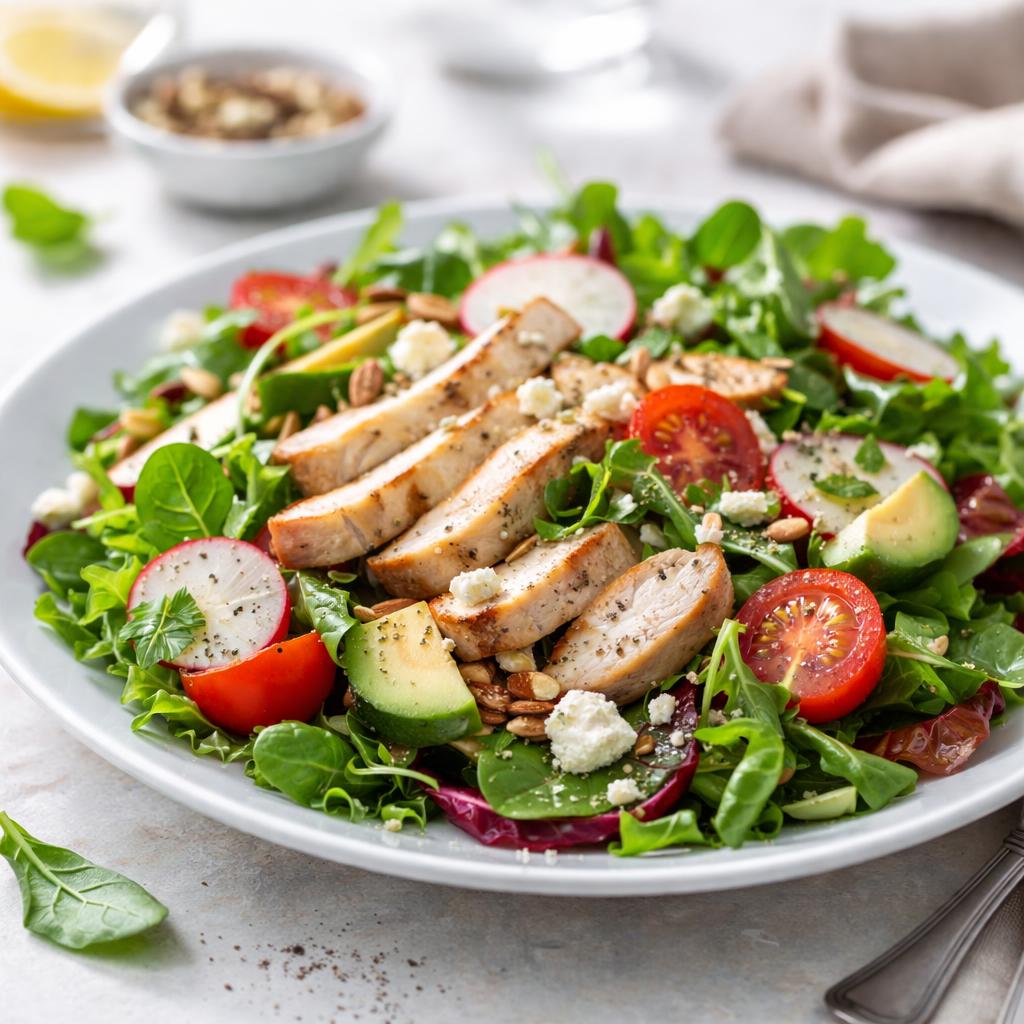
Salad
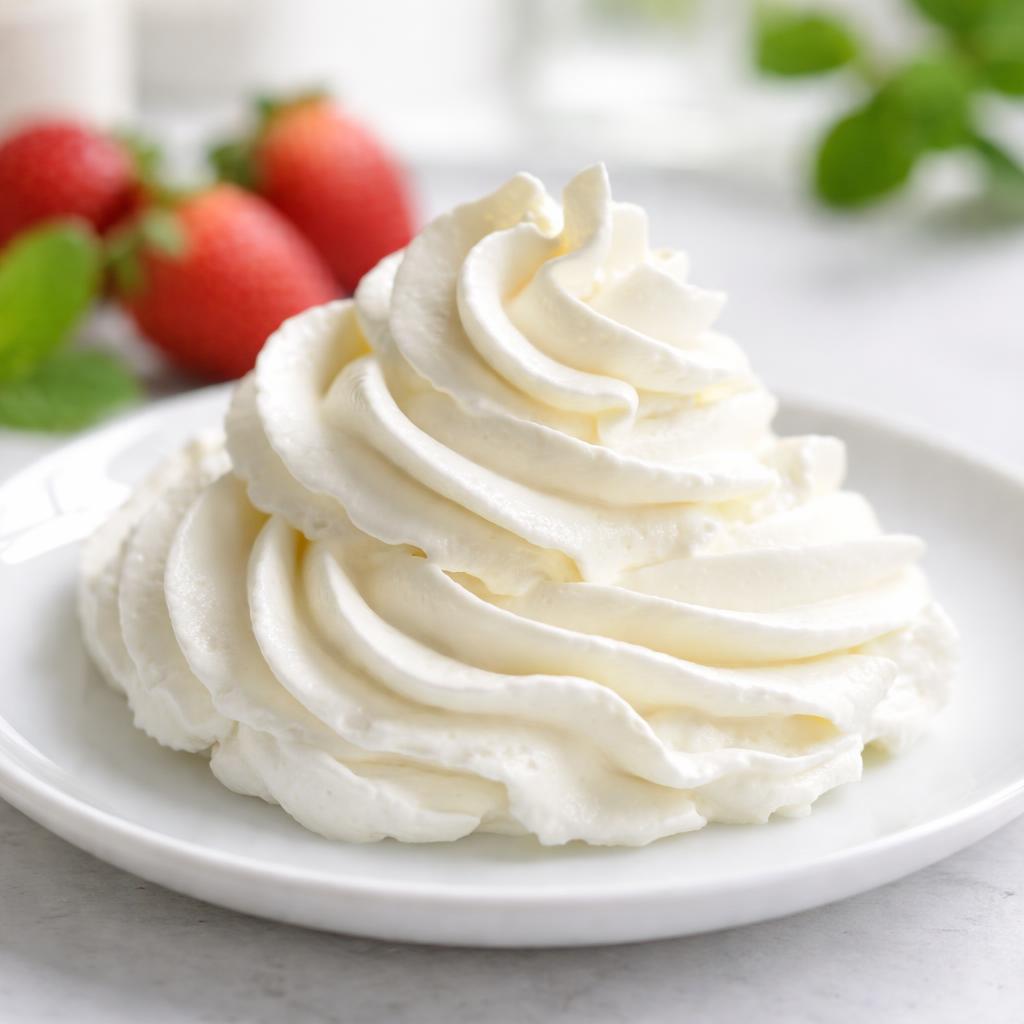
Whipped Cream
🎯 Quick Verdict
Salad is nutritionally superior due to its lower calorie count, higher protein, greater fiber, and abundance of vitamins and minerals. Whipped cream, on the other hand, is calorie-dense and higher in fats, making it more of an indulgent treat than a source of meaningful nutrients. Salad is versatile for health-focused meals, while whipped cream is best used sparingly as a dessert topping.

Smart Nutrition Tracking with SnapCalorie

📊 Nutritional Comparison
Macronutrients
| Nutrient | Food 1 | Food 2 | Winner |
|---|---|---|---|
| Calories | 35 | 250 | ✓ |
| Protein | 2g | 1g | ✓ |
| Carbs | 7g | 3g | ✓ |
| Fat | 0g | 20g | ✓ |
| Fiber | 2g | 0g | ✓ |
Vitamins & Minerals
| Nutrient | Food 1 | Food 2 | Winner |
|---|---|---|---|
| Vitamin A | 2000 IU | 50 IU | ✓ |
| Vitamin C | 12mg | 0mg | ✓ |
| Calcium | 40mg | 15mg | ✓ |
| Iron | 1mg | 0mg | ✓ |
🏆 Category Winners
Protein
Salad contains double the protein compared to whipped cream.
Fiber
Salad provides dietary fiber, while whipped cream offers none.
Calories
Salad has over 85% fewer calories than whipped cream.
Vitamins
Salad is rich in key vitamins like A and C, unlike whipped cream.
🥗 Diet Compatibility
Keto
Food 1: Not Compatible
Food 2: Compatible
Whipped cream is high-fat and low-carb, fitting keto guidelines.
Vegan
Food 1: Compatible
Food 2: Not Compatible
Whipped cream typically contains dairy from animal sources, while salad is plant-based.
Gluten Free
Food 1: Compatible
Food 2: Compatible
Neither food contains gluten.
Paleo
Food 1: Compatible
Food 2: Not Compatible
Salad aligns with paleo principles; whipped cream contains processed ingredients.
Low-Carb
Food 1: Compatible
Food 2: Compatible
Both foods have relatively low carbohydrate content but salad offers more nutrients.
💪 Health Benefits Comparison
Food 1 Benefits
- Low in calories for weight management
- High in essential vitamins like Vitamin A and Vitamin C
- Contains fiber to support digestive health
- Promotes hydration due to water-rich vegetables
Food 2 Benefits
- Provides fats for energy and satiety
- May be suitable for keto lifestyles as a low-carb dessert option
- Contributes to enjoyment and flavor in desserts when used in moderation
✅ The Bottom Line
Salad is highly recommended for regular consumption due to its nutrient density, making it ideal for weight management and general health. Whipped cream has limited nutritional value but can be enjoyed occasionally for indulgence. Choose salad for everyday meals and whipped cream as a dessert topping in moderation.
Choose Food 1 for: Weight loss, vitamin intake, daily meals
Choose Food 2 for: Desserts, occasional enjoyment, ketogenic diets


