Salad VS Walnuts
A detailed nutritional comparison
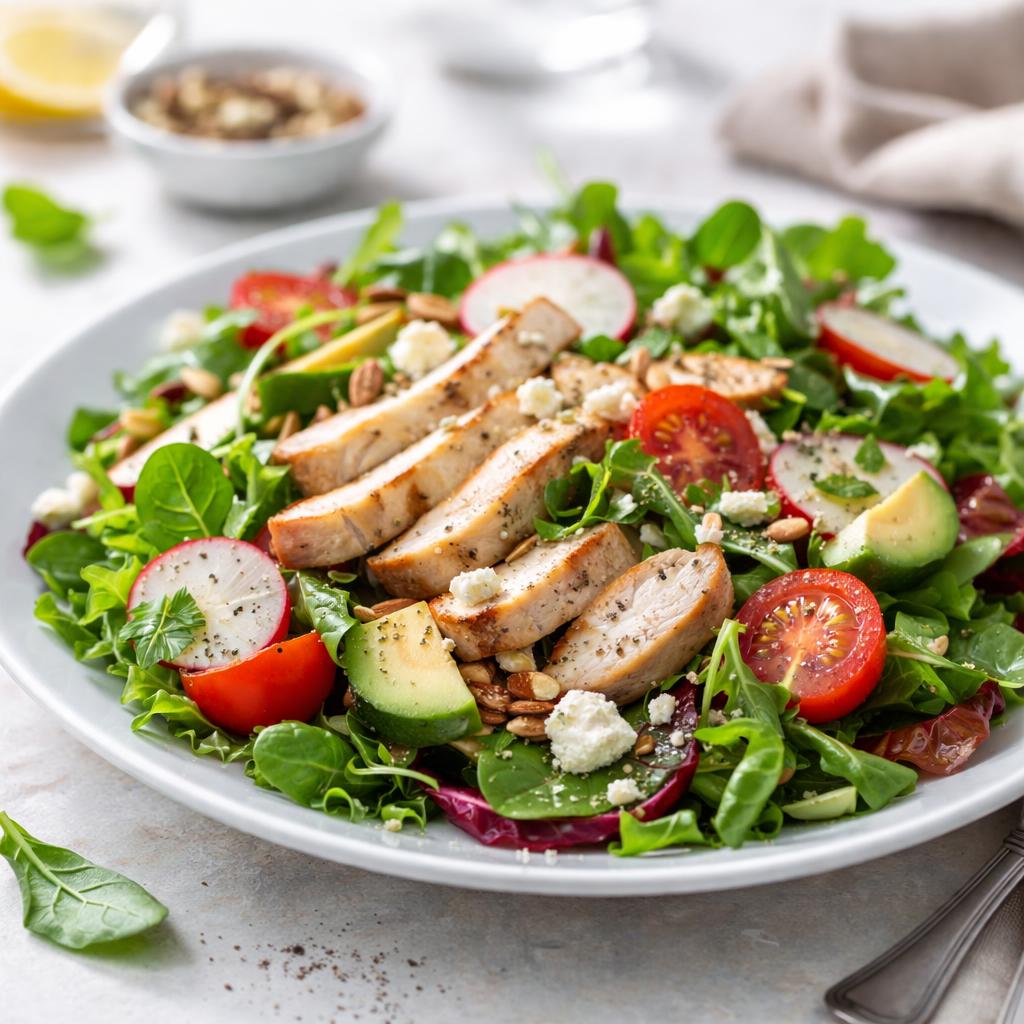
Salad
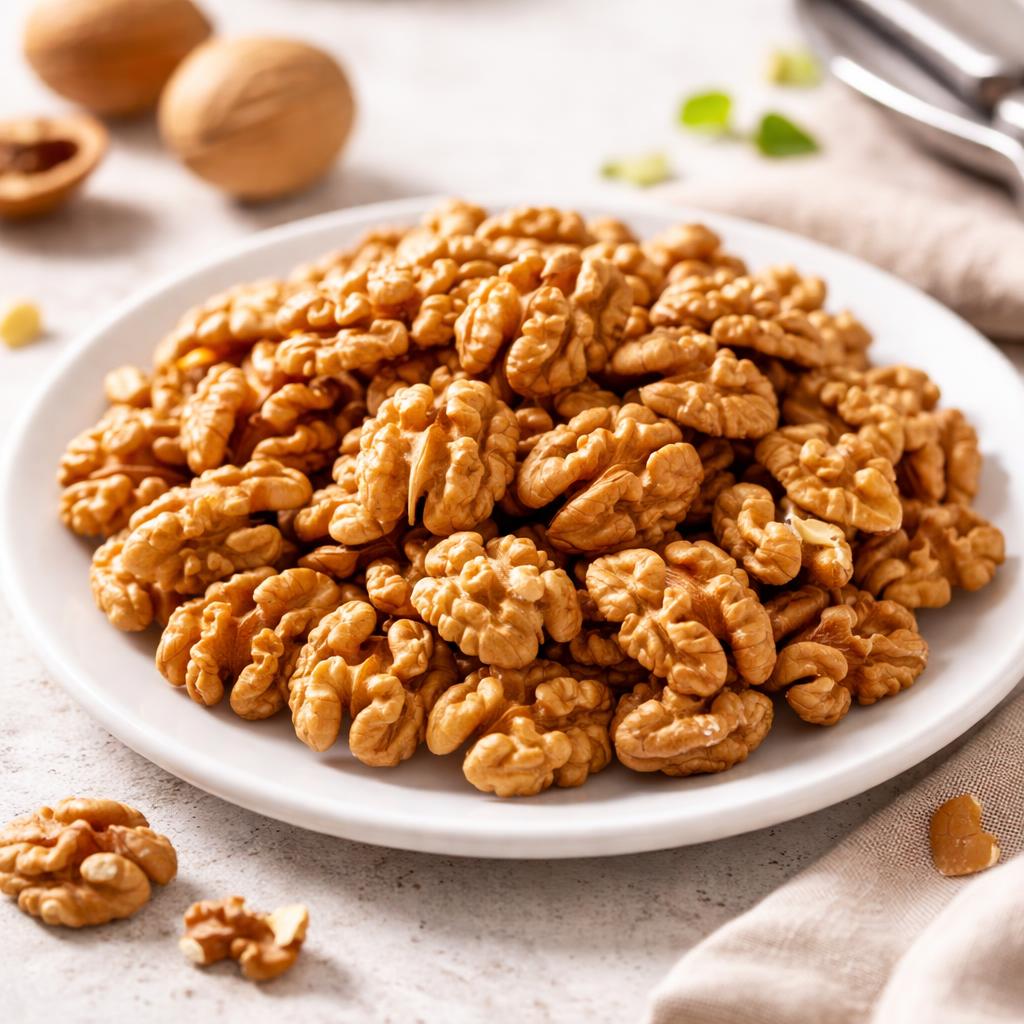
Walnuts
🎯 Quick Verdict
Salad is a low-calorie, high-fiber food, ideal for those focused on weight loss and gut health. Walnuts, on the other hand, are calorie-dense, high in protein, and packed with healthy fats, making them perfect for sustained energy and heart health. Both are versatile choices depending on dietary goals and meal contexts.

Smart Nutrition Tracking with SnapCalorie

📊 Nutritional Comparison
Macronutrients
| Nutrient | Food 1 | Food 2 | Winner |
|---|---|---|---|
| Calories | 50 | 185 | − |
| Protein | 2g | 4g | − |
| Carbs | 9g | 4g | − |
| Fat | 0.2g | 18g | − |
| Fiber | 3g | 2g | − |
Vitamins & Minerals
| Nutrient | Food 1 | Food 2 | Winner |
|---|---|---|---|
| Vitamin C | 15mg | 0mg | − |
| Vitamin A | 150mcg | 0mcg | − |
| Iron | 0.8mg | 0.6mg | − |
🏆 Category Winners
Protein
Walnuts contain twice the protein of salad per serving (4g vs 2g).
Fiber
Salad offers 50% more fiber per serving (3g vs 2g).
Calories
Salad is significantly lower in calories (50 calories vs 185).
🥗 Diet Compatibility
Keto
Food 1: Not Compatible
Food 2: Compatible
Walnuts are low-carb and high-fat, fitting keto diets.
Vegan
Food 1: Compatible
Food 2: Compatible
Both foods are vegan-friendly and plant-based.
Gluten Free
Food 1: Compatible
Food 2: Compatible
Neither food contains gluten.
Paleo
Food 1: Compatible
Food 2: Compatible
Both are whole-food options suitable for paleo diets.
Low-Carb
Food 1: Not Compatible
Food 2: Compatible
Walnuts are low in carbs compared to salad.
💪 Health Benefits Comparison
Food 1 Benefits
- Low in calories, ideal for weight management
- High in fiber to support digestion and gut health
- Rich in vitamins A and C for skin and immune health
Food 2 Benefits
- Provides healthy fats for brain and heart health
- Rich in protein for muscle maintenance
- Contains antioxidants like polyphenols to combat oxidative stress
- Energy-dense, making it ideal for sustained energy throughout the day
✅ The Bottom Line
Salad is the smarter choice for weight loss or gut health due to its low calorie and high fiber content. Walnuts shine for high energy, heart health, and high-protein diets. Pair them together for a balanced meal that supports diverse dietary goals.
Choose Food 1 for: Weight loss, digestion support, light meals
Choose Food 2 for: Energy boost, heart health, sustainable snacking


