Salad VS Vegetable Medley
A detailed nutritional comparison
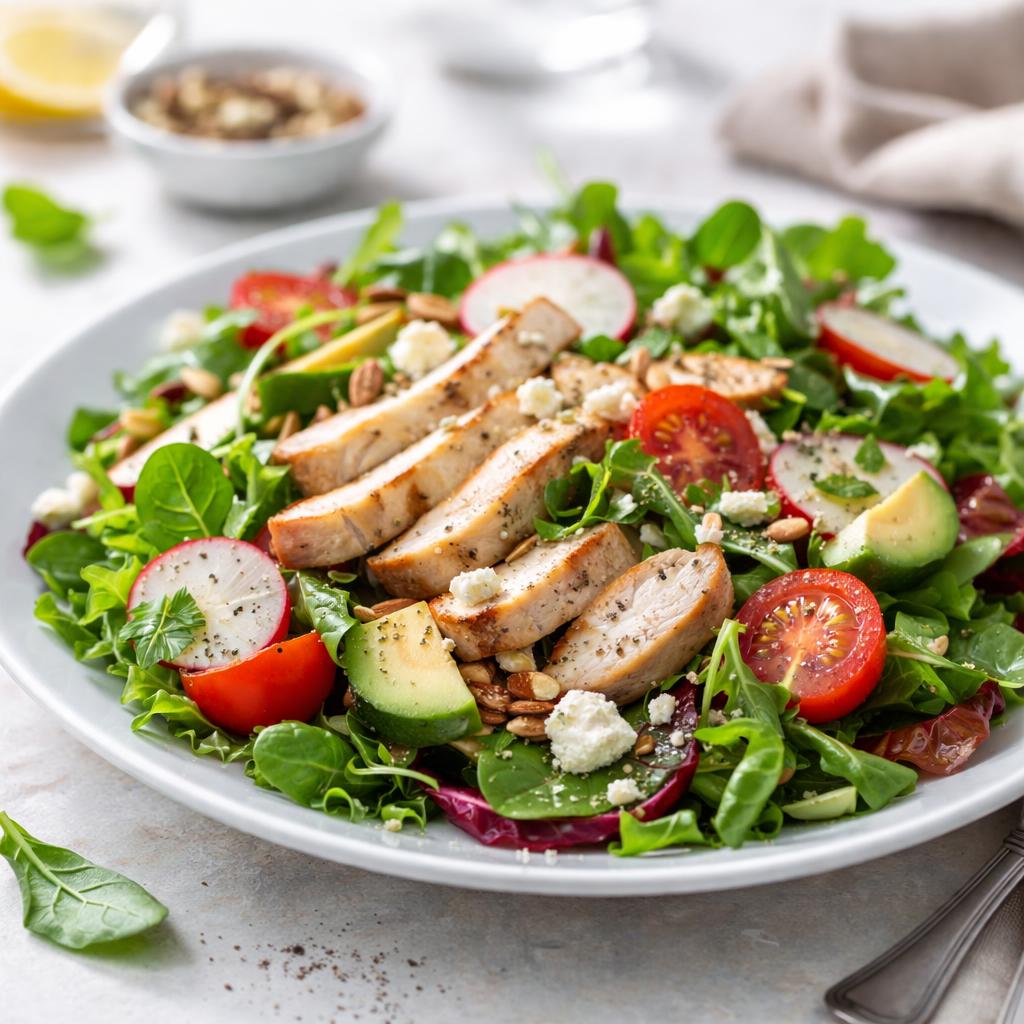
Salad
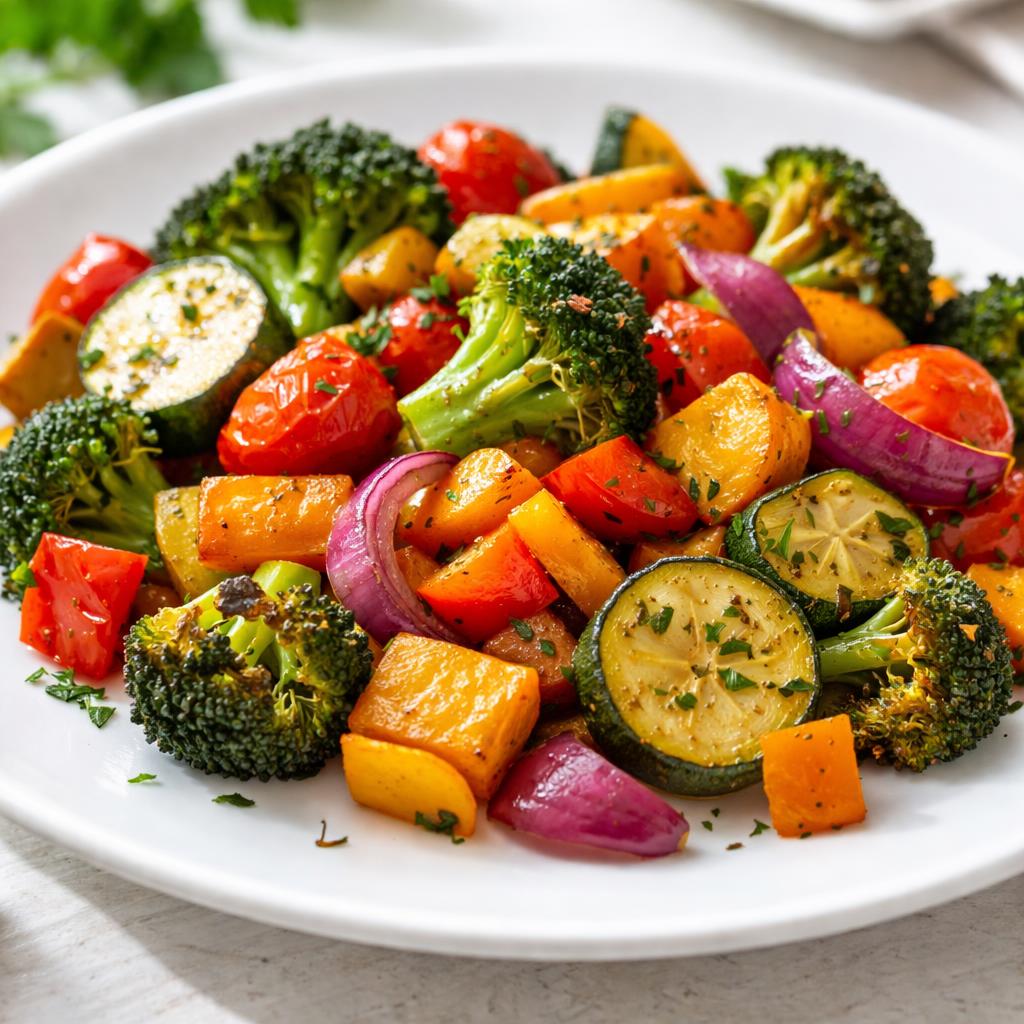
Vegetable Medley
🎯 Quick Verdict
A salad is typically lower in calories and often includes more leafy greens, making it ideal for weight loss and light meals. Vegetable medley contains a variety of nutrient-dense vegetables, providing slightly more protein and fiber, which make it better for overall satiety and sustained energy. Both are excellent for vegan and gluten-free diets.

Smart Nutrition Tracking with SnapCalorie

📊 Nutritional Comparison
Macronutrients
| Nutrient | Food 1 | Food 2 | Winner |
|---|---|---|---|
| Calories | 50 | 80 | ✓ |
| Protein | 2g | 5g | ✓ |
| Carbs | 10g | 12g | ✓ |
| Fat | 0.5g | 1g | ✓ |
| Fiber | 3g | 4g | ✓ |
Vitamins & Minerals
| Nutrient | Food 1 | Food 2 | Winner |
|---|---|---|---|
| Vitamin A | 1500IU | 2000IU | ✓ |
| Vitamin C | 20mg | 25mg | ✓ |
| Vitamin K | 60mcg | 40mcg | ✓ |
| Folate | 80mcg | 50mcg | ✓ |
🏆 Category Winners
Protein
Food2 (vegetable medley) has over twice the protein of Food1 (salad).
Fiber
Vegetable medley offers 33% more fiber per serving.
Calories
Salad is significantly lower in calories compared to vegetable medley, making it ideal for calorie-conscious diets.
Vitamins
Food2 is richer in Vitamin A and C, whereas Food1 excels in Vitamin K and Folate.
🥗 Diet Compatibility
Keto
Food 1: Compatible
Food 2: Compatible
Both have low net carbs per serving, fitting keto diets.
Vegan
Food 1: Compatible
Food 2: Compatible
Both are plant-based foods.
Gluten Free
Food 1: Compatible
Food 2: Compatible
Neither contains gluten.
Paleo
Food 1: Compatible
Food 2: Compatible
Both fit the paleo diet as minimally processed plant foods.
Low-Carb
Food 1: Compatible
Food 2: Not Compatible
Salad's lower carb content makes it better suited for low-carb diets.
💪 Health Benefits Comparison
Food 1 Benefits
- Low-calorie option for weight management
- Rich in folate and Vitamin K for bone health and cell function
- Good source of fiber to aid digestion
- Provides antioxidants that support overall health
Food 2 Benefits
- Higher protein content supports muscle repair and satiety
- Rich in Vitamin A and C for immune support and vision health
- Contains diverse vegetables for a mix of nutrients
- Excellent source of fiber for digestion and heart health
✅ The Bottom Line
Both salad and vegetable medley are nutritious options, with salad excelling in low calorie, weight-loss-friendly diets, and vegetable medley offering better protein and fiber content for sustained energy or heart health. Depending on individual goals, choose salad for lighter meals and calorie control, and vegetable medley for nutrient density and post-workout recovery.
Choose Food 1 for: Weight loss, light meals, low-carb diets
Choose Food 2 for: Post-workout recovery, heart health, overall satiety


