Salad VS Tortilla Chips
A detailed nutritional comparison
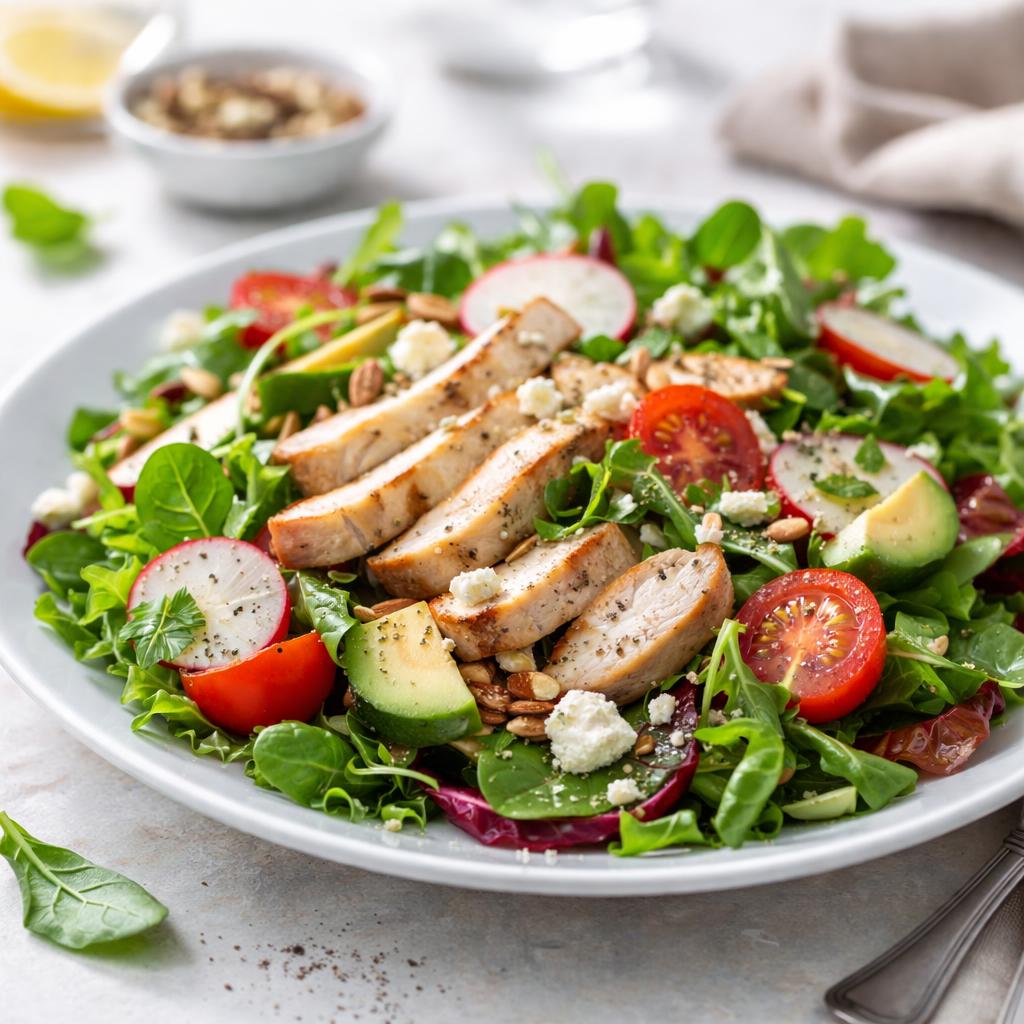
Salad
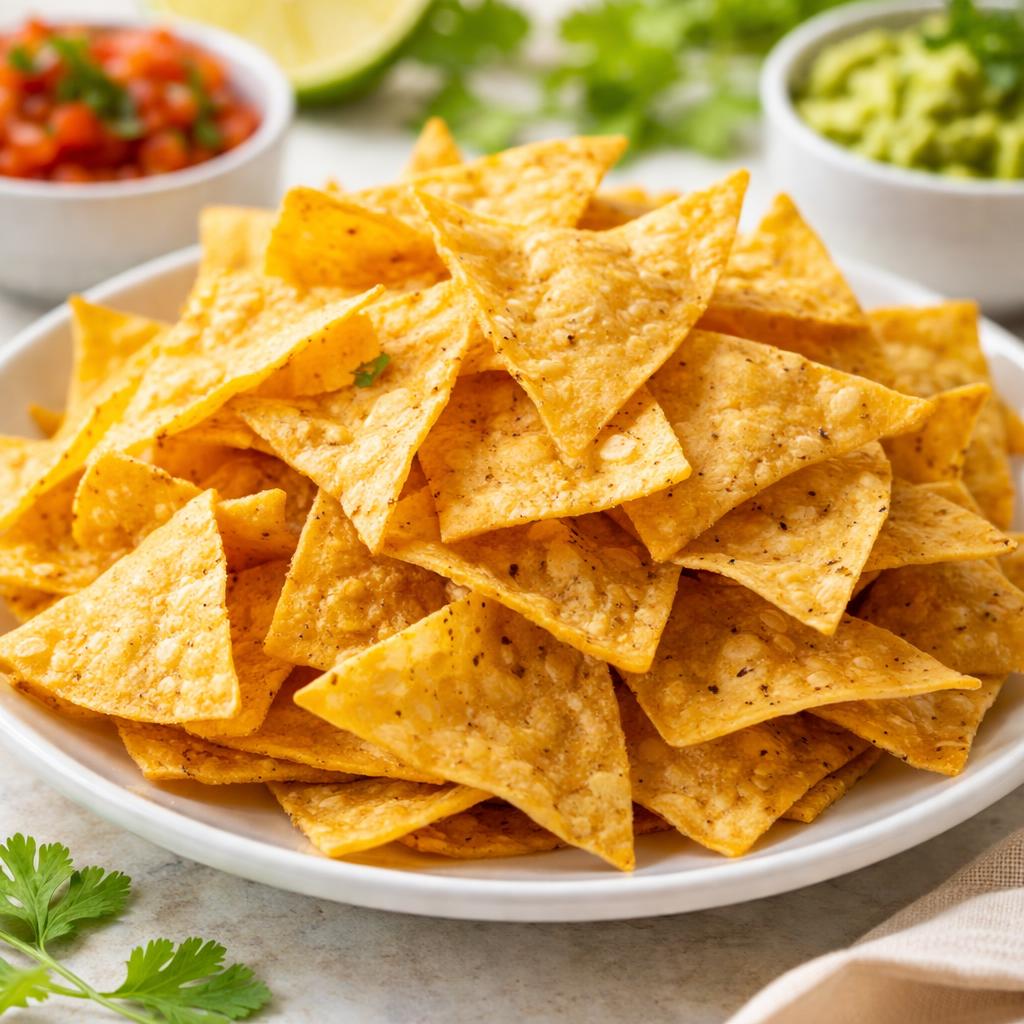
Tortilla Chips
🎯 Quick Verdict
Salad is lower in calories and higher in fiber compared to tortilla chips, making it a better option for weight management and digestive health. Tortilla chips are higher in carbs and fat, providing quick energy but less nutrient density. Salad is ideal for nutrient-packed meals, while tortilla chips are better as an occasional snack or source of quick energy.

Smart Nutrition Tracking with SnapCalorie

📊 Nutritional Comparison
Macronutrients
| Nutrient | Food 1 | Food 2 | Winner |
|---|---|---|---|
| Calories | 50 | 150 | ✓ |
| Protein | 2g | 2g | − |
| Carbs | 8g | 18g | ✓ |
| Fat | 0.5g | 7g | ✓ |
| Fiber | 4g | 2g | ✓ |
Vitamins & Minerals
| Nutrient | Food 1 | Food 2 | Winner |
|---|---|---|---|
| Vitamin C | 14mg | 0mg | ✓ |
| Potassium | 250mg | 100mg | ✓ |
| Iron | 1mg | 0.5mg | ✓ |
🏆 Category Winners
Protein
Both foods provide 2g of protein per serving.
Fiber
Salad contains twice the fiber, enhancing digestion.
Calories
Salad is very low in calories, making it better for weight loss.
Vitamins
Salad supplies significantly more Vitamin C and Potassium.
🥗 Diet Compatibility
Keto
Food 1: Compatible
Food 2: Not Compatible
Salad is low-carb and fits keto guidelines.
Vegan
Food 1: Compatible
Food 2: Compatible
Both are plant-based and appropriate for vegans.
Gluten Free
Food 1: Compatible
Food 2: Not Compatible
Depending on the type, tortilla chips may contain gluten while salads are naturally gluten-free.
Paleo
Food 1: Compatible
Food 2: Not Compatible
Salad conforms to paleo restrictions while tortilla chips often contain processed ingredients.
Low Carb
Food 1: Compatible
Food 2: Not Compatible
Salad is much lower in carbs, making it better for low-carb diets.
💪 Health Benefits Comparison
Food 1 Benefits
- Low-calorie option for weight management
- High in fiber for digestive health
- Contains essential vitamins such as Vitamin C for immune support
- Rich in antioxidants from vegetables
Food 2 Benefits
- Provides quick energy due to carbs and fats
- Contains iron in small quantities
- Can be a satisfying crunchy snack when paired with healthy dips
- May contribute to healthy fats if made with quality oils
✅ The Bottom Line
Salad is the clear winner for those looking for nutrient-dense, low-calorie, high-fiber meals, while tortilla chips serve better as an occasional snack for quick energy. Choose salad for health-focused meals and tortilla chips for indulgent moments or as a small snack paired with dips like guacamole or hummus.
Choose Food 1 for: Weight loss, high-fiber diets, nutrient-packed meals
Choose Food 2 for: Quick energy, satisfying crunch, occasional snacking


