Salad VS Tea
A detailed nutritional comparison
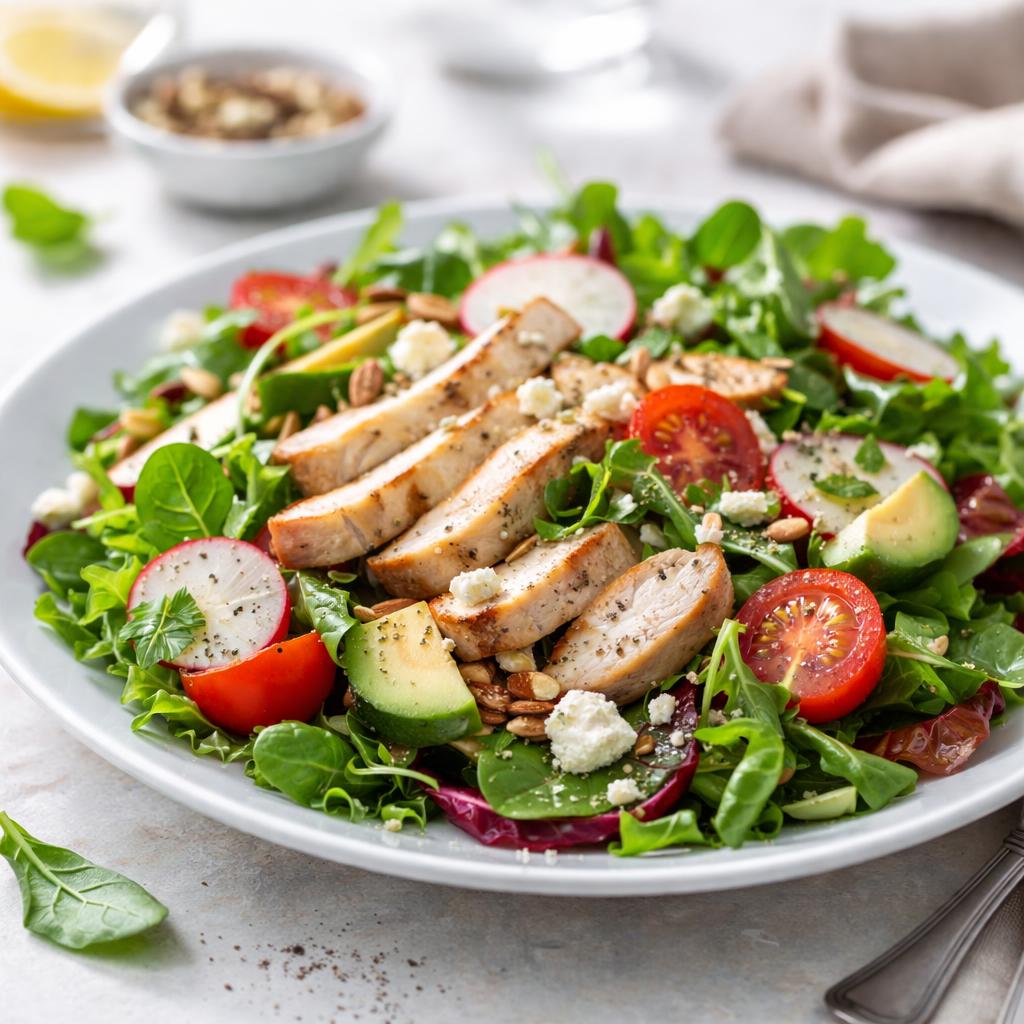
Salad
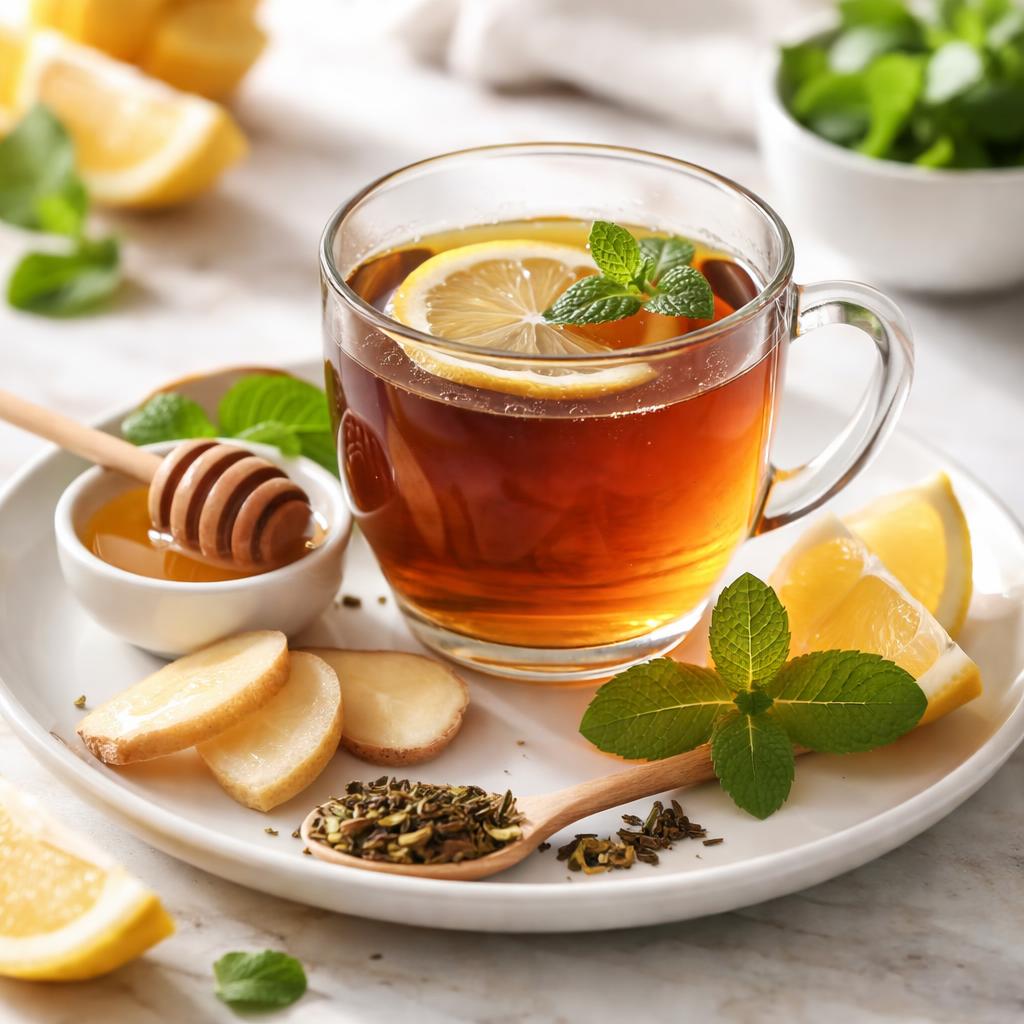
Tea
🎯 Quick Verdict
Salad is a nutrient-dense food offering significantly more protein, fiber, and vitamins compared to tea, which is a minimal-calorie beverage mainly rich in antioxidants. Salad is ideal for meals requiring sustenance, while tea is better suited as a hydrating, low-calorie beverage with antioxidant benefits.

Smart Nutrition Tracking with SnapCalorie

📊 Nutritional Comparison
Macronutrients
| Nutrient | Food 1 | Food 2 | Winner |
|---|---|---|---|
| Calories | 50 per cup | 2 per cup | ✓ |
| Protein | 2g per cup | 0g per cup | ✓ |
| Carbs | 5g per cup | <1g per cup | ✓ |
| Fat | 0.5g per cup | 0g per cup | ✓ |
| Fiber | 3g per cup | 0g per cup | ✓ |
Vitamins & Minerals
| Nutrient | Food 1 | Food 2 | Winner |
|---|---|---|---|
| Vitamin C | 15mg per cup | 0mg per cup | ✓ |
| Vitamin A | 150mcg per cup | 0mcg per cup | ✓ |
| Iron | 0.3mg per cup | <0.1mg per cup | ✓ |
🏆 Category Winners
Protein
Salad contains 2g of protein while tea has none.
Fiber
Salad delivers 3g of fiber compared to the zero-fiber nature of tea.
Calories
Tea is notably low-calorie with 2 calories per cup, much less than salad's 50 calories per cup.
🥗 Diet Compatibility
Keto
Food 1: Compatible
Food 2: Compatible
Both are low-carb options.
Vegan
Food 1: Compatible
Food 2: Compatible
Both are plant-based.
Gluten Free
Food 1: Compatible
Food 2: Compatible
Neither contains gluten.
Paleo
Food 1: Compatible
Food 2: Compatible
Both align with paleo principles.
Low Carb
Food 1: Suitable
Food 2: Ideal
Tea is ultra-low-carb, while salad is low-carb with 5g per serving.
💪 Health Benefits Comparison
Food 1 Benefits
- Provides essential fiber for digestive health
- Rich in Vitamin C for immune support
- Good source of Vitamin A for eye health
- Low in calories, ideal for weight management
Food 2 Benefits
- Packed with antioxidants that fight free radicals
- Supports hydration and can boost metabolism
- Contains natural compounds that may reduce stress
- Virtually calorie-free, making it excellent for low-calorie diets
✅ The Bottom Line
Choose salad when you need a nutrient-dense, satiating food option rich in protein, vitamins, and fiber. Opt for tea if you need a low-calorie beverage loaded with antioxidants for hydration and mental relaxation.
Choose Food 1 for: Meals, weight management, digestion support, nutrient intake
Choose Food 2 for: Hydration, antioxidant benefits, ultra-low-calorie diets, relaxation


