Salad VS Sushi Rice
A detailed nutritional comparison
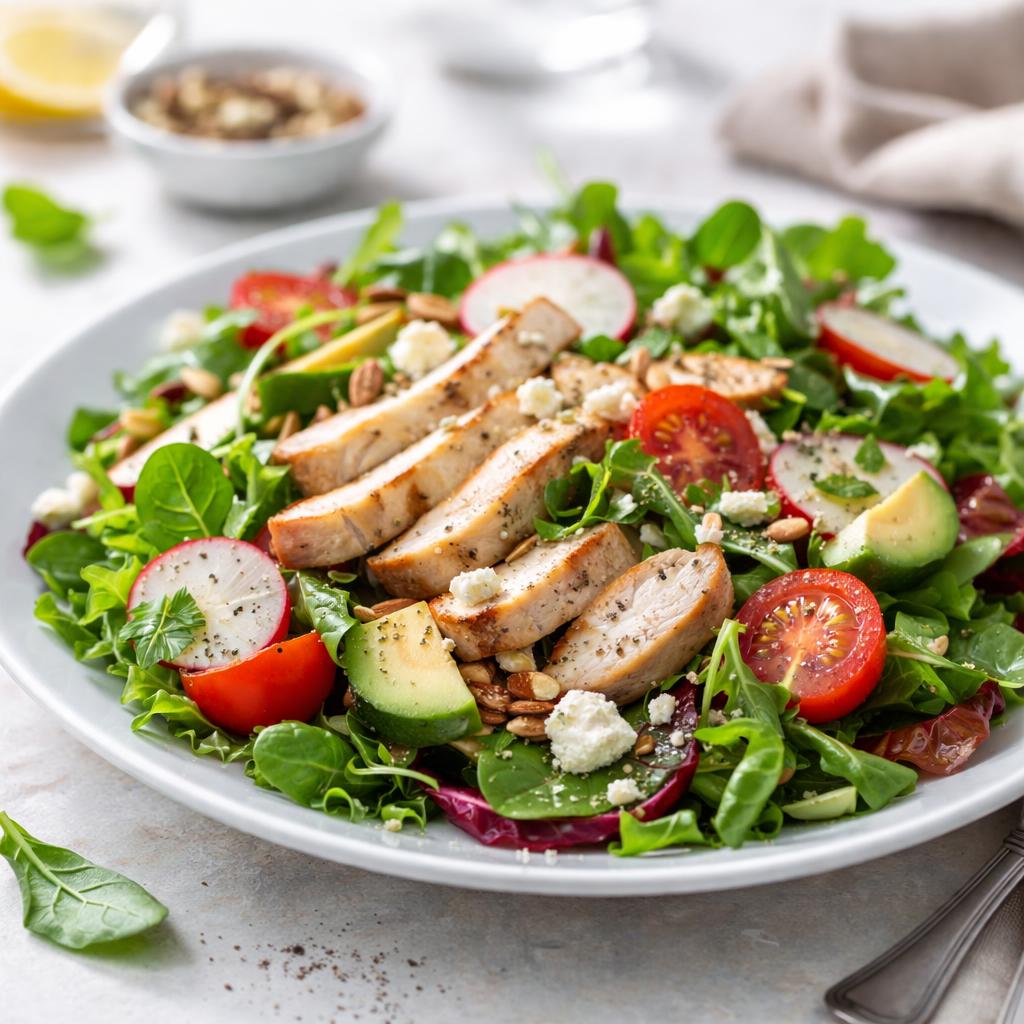
Salad
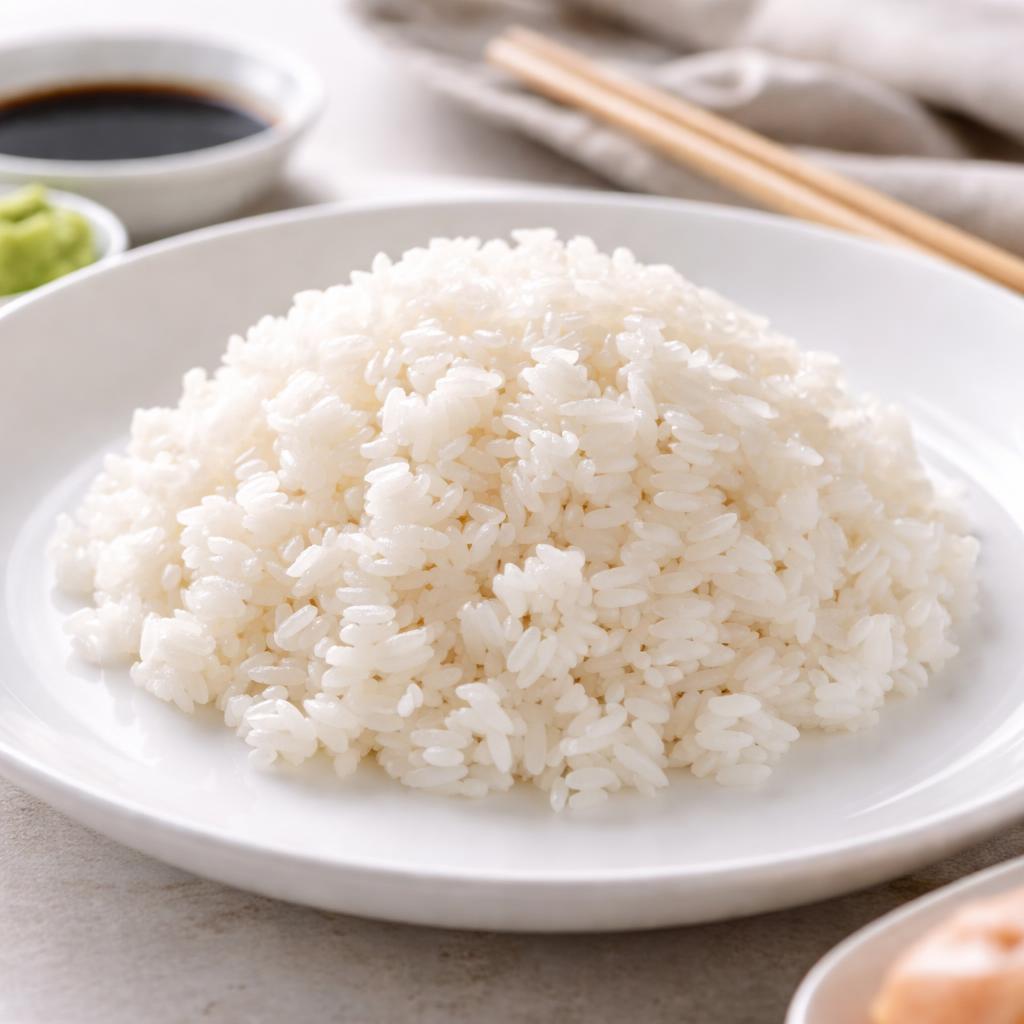
Sushi Rice
🎯 Quick Verdict
Salad generally outperforms sushi rice in terms of nutrition, offering lower calories, more fiber, and higher protein levels per serving. While sushi rice is a good energy-boosting source of carbohydrates, salad is ideal for weight management and nutrient density, making it more versatile in low-calorie or high-nutrient diets.

Smart Nutrition Tracking with SnapCalorie

📊 Nutritional Comparison
Macronutrients
| Nutrient | Food 1 | Food 2 | Winner |
|---|---|---|---|
| Calories | 35 | 130 | ✓ |
| Protein | 2g | 2g | − |
| Carbs | 7g | 28g | ✓ |
| Fat | 0.5g | 0g | ✓ |
| Fiber | 3g | 0.2g | ✓ |
Vitamins & Minerals
| Nutrient | Food 1 | Food 2 | Winner |
|---|---|---|---|
| Vitamin A | 120mcg | 0mcg | ✓ |
| Vitamin C | 10mg | 0mg | ✓ |
| Calcium | 40mg | 5mg | ✓ |
| Iron | 0.8mg | 0.2mg | ✓ |
🏆 Category Winners
Protein
Both foods contain 2g of protein, offering similar benefits.
Fiber
Salad provides significantly more fiber (3g vs 0.2g).
Calories
Salad has substantially fewer calories (35 vs 130).
Vitamins
Salad is a better source of vitamins and minerals, including vitamin A, C, calcium, and iron.
🥗 Diet Compatibility
Keto
Food 1: Compatible
Food 2: Not Compatible
Salad is low-carb and can fit a keto diet, whereas sushi rice is high in carbs.
Vegan
Food 1: Compatible
Food 2: Compatible
Both foods are vegan-friendly.
Gluten Free
Food 1: Compatible
Food 2: Compatible
Neither contains gluten.
Paleo
Food 1: Compatible
Food 2: Not Compatible
Salad aligns with paleo principles, but sushi rice does not due to its processed nature.
Low Carb
Food 1: Compatible
Food 2: Not Compatible
Salad is a low-carb food (7g per serving), unlike sushi rice (28g per serving).
💪 Health Benefits Comparison
Food 1 Benefits
- Low in calories, ideal for weight management
- High in fiber, supports healthy digestion
- Packed with vitamins (A, C) and minerals (calcium, iron) for overall wellness
Food 2 Benefits
- Provides energy-boosting carbohydrates
- Low in fat, suitable for heart health
- Simple and easily digestible source of fuel
✅ The Bottom Line
Salad is the winner for general health goals, providing more fiber, fewer calories, and essential nutrients. Sushi rice works better as an energy source for active lifestyles or physical exertion. Choose salad for weight management and nutrient density, and sushi rice for quick energy in carb-heavy meals.
Choose Food 1 for: Weight loss, digestion support, nutrient-rich diets
Choose Food 2 for: High-energy meals, carb-loading, post-workout recovery


