Salad VS Sugar
A detailed nutritional comparison
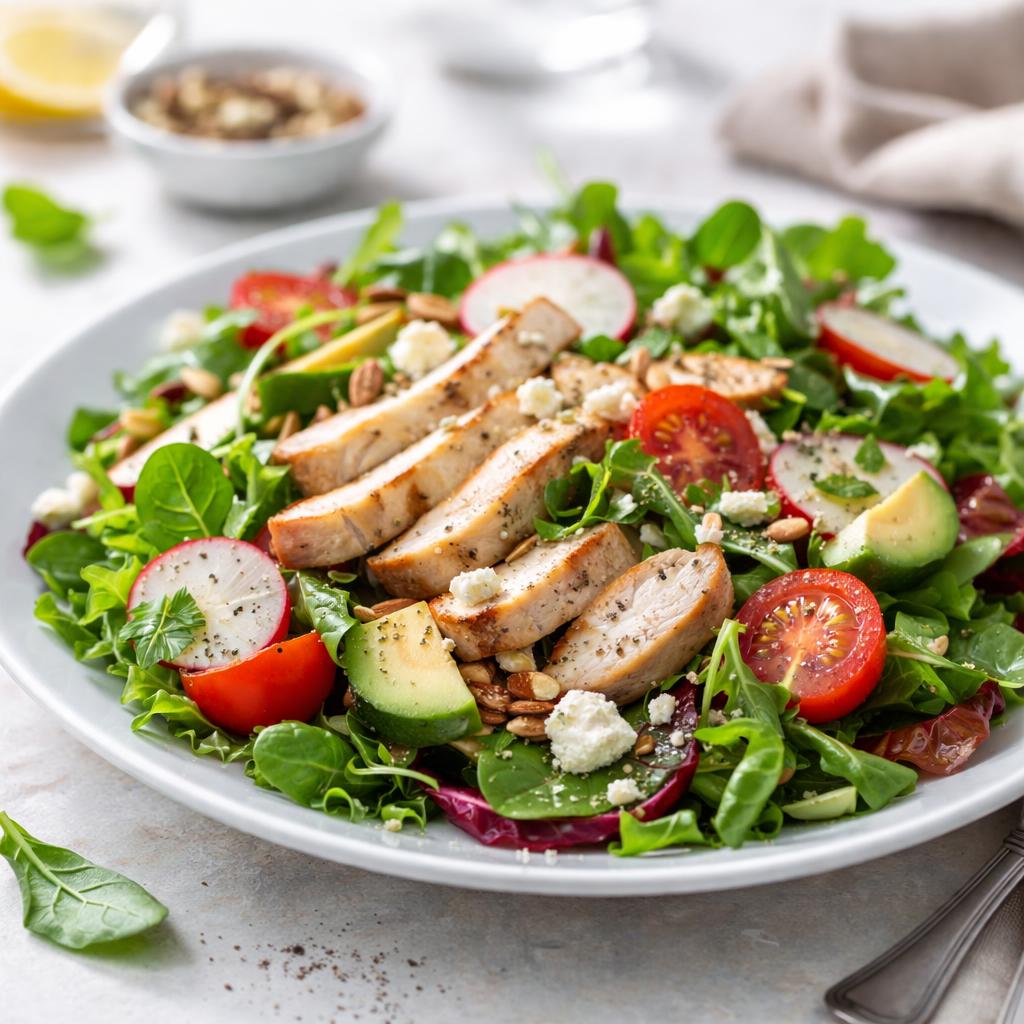
Salad
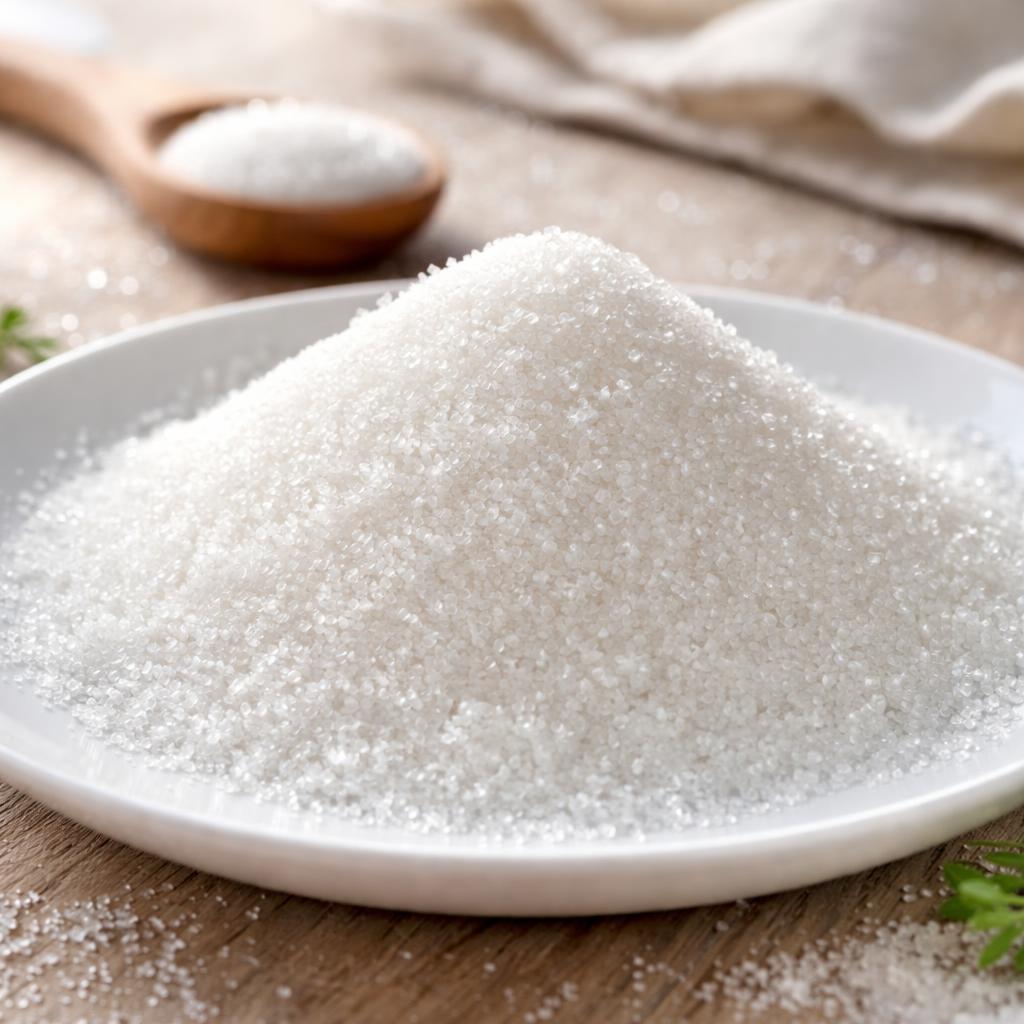
Sugar
🎯 Quick Verdict
Salad is overwhelmingly more nutrient-dense than sugar, offering protein, fiber, and essential vitamins like Vitamin C and iron, while being lower in calories. Sugar provides purely empty calories with no significant nutrients and should be consumed minimally, primarily for quick energy boosts but not as a meal replacement.

Smart Nutrition Tracking with SnapCalorie

📊 Nutritional Comparison
Macronutrients
| Nutrient | Food 1 | Food 2 | Winner |
|---|---|---|---|
| Calories | 50 | 387 | ✓ |
| Protein | 2g | 0g | ✓ |
| Carbs | 10g | 99g | ✓ |
| Fat | 0.5g | 0g | ✓ |
| Fiber | 3g | 0g | ✓ |
Vitamins & Minerals
| Nutrient | Food 1 | Food 2 | Winner |
|---|---|---|---|
| Vitamin C | 20mg | 0mg | ✓ |
| Iron | 0.3mg | 0mg | ✓ |
| Calcium | 20mg | 0mg | ✓ |
🏆 Category Winners
Protein
Food1 (salad) contains 2g of protein, which sugar entirely lacks.
Fiber
Food1 offers 3g of fiber per serving, while sugar has none.
Calories
Food1 is low-calorie (50 calories per serving) compared to sugar.
Vitamins
Food1 contains essential vitamins like Vitamin C and iron, unlike sugar.
🥗 Diet Compatibility
Keto
Food 1: Compatible
Food 2: Not Compatible
Salad is low-carb, while sugar contains 99g carbs per serving.
Vegan
Food 1: Compatible
Food 2: Compatible
Both foods are derived from plants.
Gluten Free
Food 1: Compatible
Food 2: Compatible
Neither contains gluten.
Paleo
Food 1: Compatible
Food 2: Not Compatible
Salad fits paleo guidelines, while sugar is considered processed.
Low Carbohydrate
Food 1: Compatible
Food 2: Not Compatible
Sugar is extremely high in carbohydrates (99g per serving).
💪 Health Benefits Comparison
Food 1 Benefits
- Rich in fiber to aid digestion and satiety
- Contains essential nutrients like Vitamin C and iron for overall health
- Low-calorie, making it ideal for weight management
Food 2 Benefits
- Provides quick energy due to pure carbohydrate content
- Can temporarily raise blood glucose levels during hypoglycemia
- Easily digestible source of immediate fuel for intense exercise
✅ The Bottom Line
Food1 (salad) is the clear nutritional winner, offering balanced macros, fiber, and essential vitamins with minimal calories. However, sugar may be useful as an occasional quick energy source for physical exertion or emergencies but not as part of a healthy diet.
Choose Food 1 for: Weight management, digestive health, nutrient boosts
Choose Food 2 for: Temporary quick energy, physical exertion, emergency blood sugar elevation


