Salad VS Squash
A detailed nutritional comparison
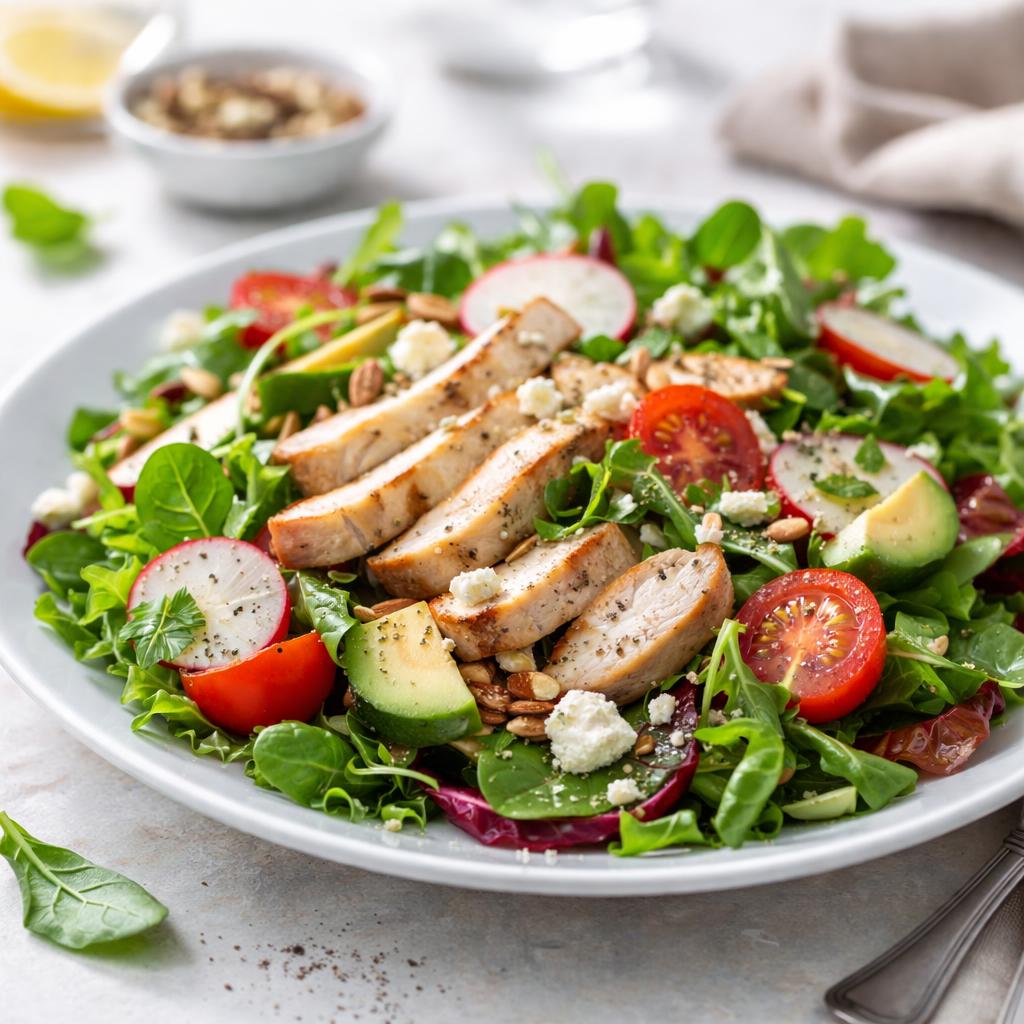
Salad
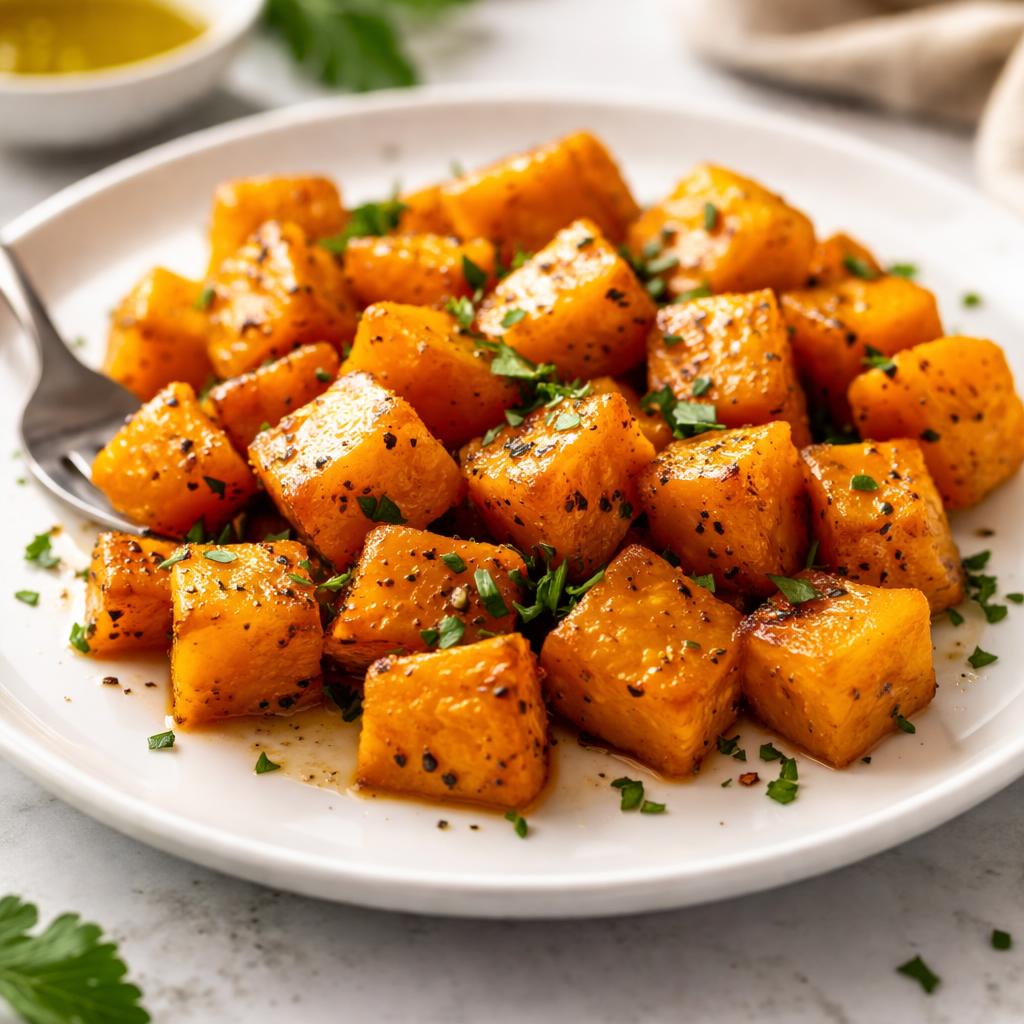
Squash
🎯 Quick Verdict
Salad is lower in calories (approximately 50 per serving) and higher in fiber compared to squash, making it ideal for weight management and digestion. Squash provides more carbohydrates and Vitamin A, making it better for energy and supporting vision health. Both are versatile in different diets, but salad is particularly lighter and nutrient-dense for weight loss goals, while squash offers a good energy boost and key nutrients.

Smart Nutrition Tracking with SnapCalorie

📊 Nutritional Comparison
Macronutrients
| Nutrient | Food 1 | Food 2 | Winner |
|---|---|---|---|
| Calories | 50 | 80 | ✓ |
| Protein | 2g | 2g | − |
| Carbs | 10g | 20g | ✓ |
| Fat | 0.3g | 0g | ✓ |
| Fiber | 3g | 2g | ✓ |
Vitamins & Minerals
| Nutrient | Food 1 | Food 2 | Winner |
|---|---|---|---|
| Vitamin A | 120mcg | 210mcg | ✓ |
| Vitamin C | 15mg | 20mg | ✓ |
| Calcium | 30mg | 25mg | ✓ |
| Iron | 0.7mg | 0.5mg | ✓ |
🏆 Category Winners
Protein
Both foods contain similar protein levels at 2g per serving.
Fiber
Salad provides 3g of fiber vs 2g in squash, aiding digestion.
Calories
Salad is lower-calorie at 50 calories per serving vs squash's 80 calories.
🥗 Diet Compatibility
Keto
Food 1: Not Compatible
Food 2: Not Compatible
Both are moderate-carb foods, not suitable for strict keto diets.
Vegan
Food 1: Compatible
Food 2: Compatible
Both are plant-based foods.
Gluten Free
Food 1: Compatible
Food 2: Compatible
Neither contains gluten.
Paleo
Food 1: Compatible
Food 2: Compatible
Both are whole, unprocessed foods allowed in a paleo diet.
Low Carb
Food 1: Compatible
Food 2: Partially Compatible
Food1 (Salad) has lower carbs (10g vs 20g for squash) and fits better into low-carb diets.
💪 Health Benefits Comparison
Food 1 Benefits
- Helps with digestion due to high fiber content
- Low in calories, ideal for weight management
- Contains vitamins and minerals for overall health
Food 2 Benefits
- High in Vitamin A, supports eye health
- Provides energy through naturally higher carbs
- Rich in Vitamin C, boosts immune system
✅ The Bottom Line
Choose salad for weight management, digestion support, and a light, low-calorie meal. Opt for squash when you need a more energizing, nutrient-dense option with extra Vitamin A and Vitamin C benefits.
Choose Food 1 for: Weight loss, digestion, light meals or snacks
Choose Food 2 for: Energy boost, nutrient-dense meals, immune and vision health


