Salad VS Spaghetti Squash
A detailed nutritional comparison
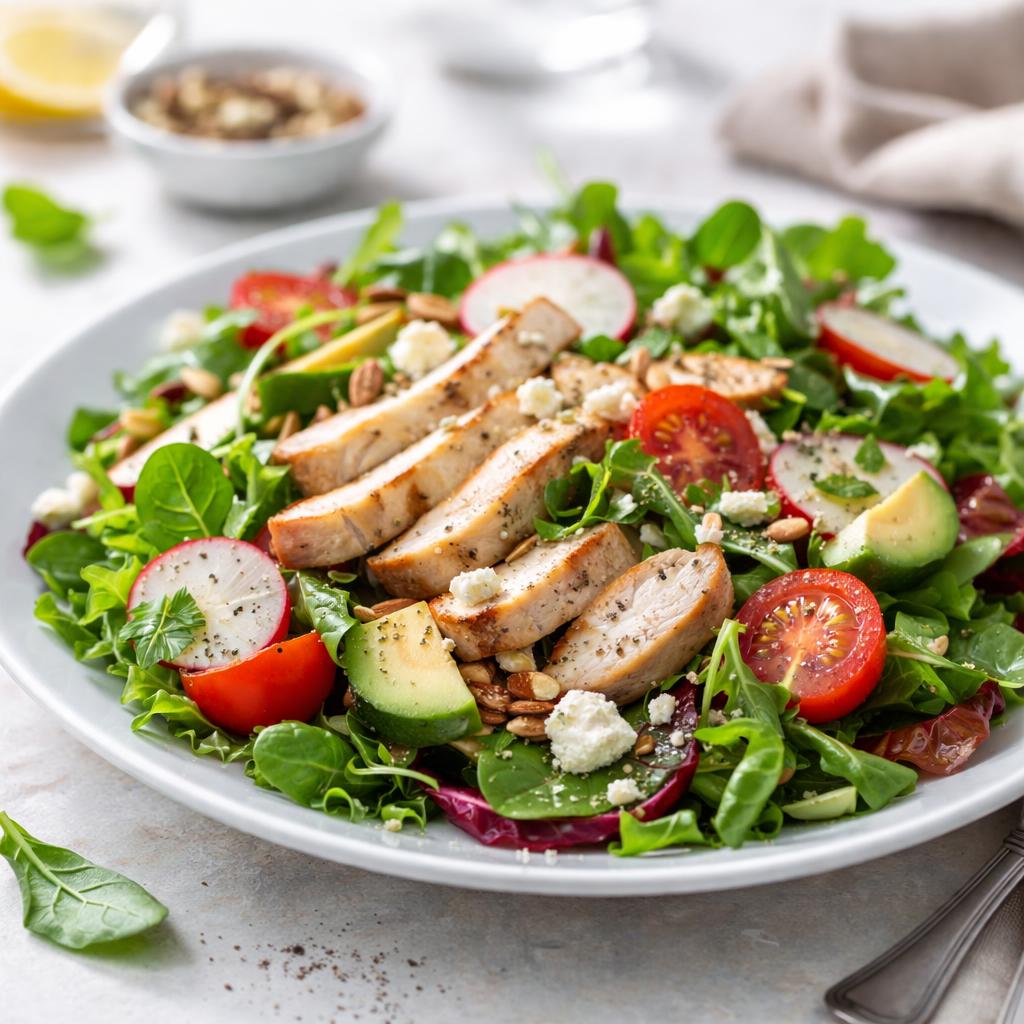
Salad
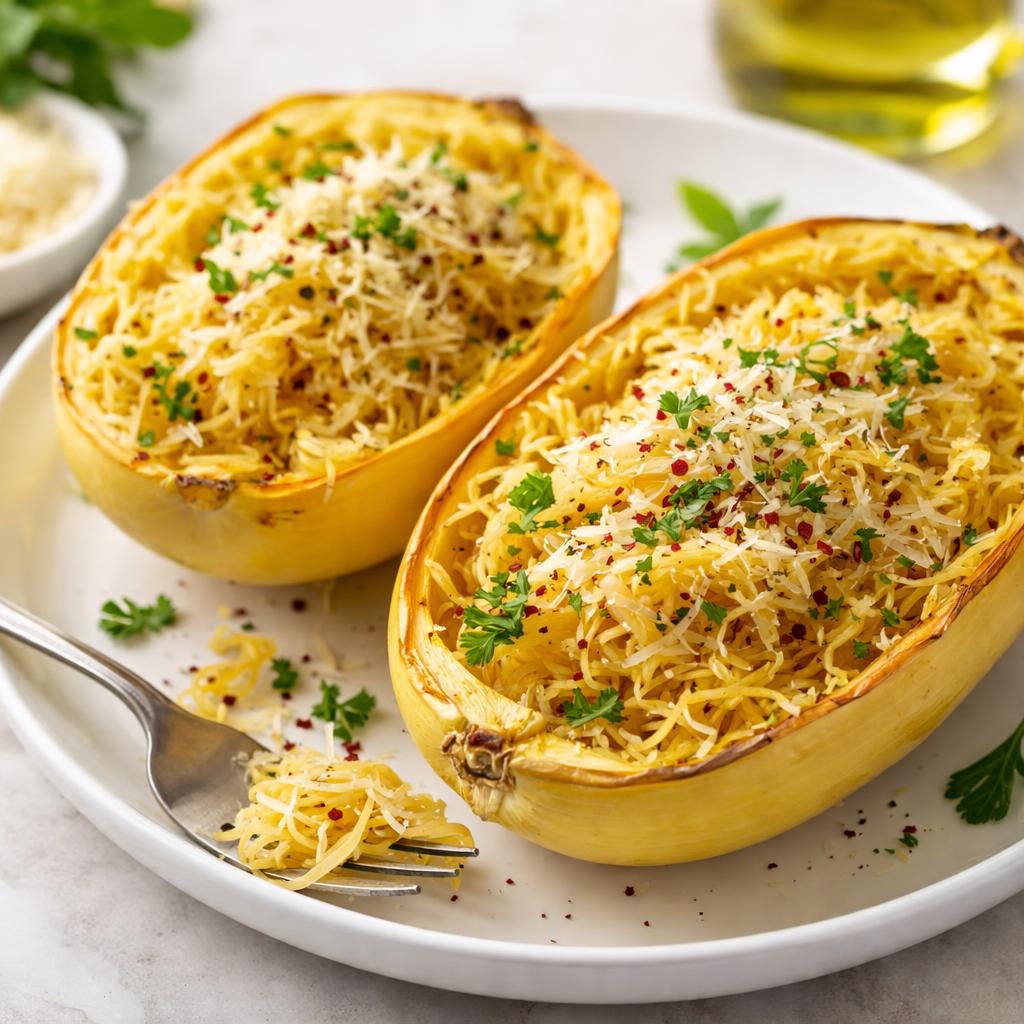
Spaghetti Squash
🎯 Quick Verdict
Salad and spaghetti squash are low-calorie, nutrient-dense options, but salad edges ahead in overall fiber and micronutrient diversity. Spaghetti squash provides a heartier texture and is higher in carbohydrates, making it better for energy needs. Both are excellent for versatile diets, including vegan and gluten-free plans.

Smart Nutrition Tracking with SnapCalorie

📊 Nutritional Comparison
Macronutrients
| Nutrient | Food 1 | Food 2 | Winner |
|---|---|---|---|
| Calories | 35 | 42 | ✓ |
| Protein | 1g | 1g | − |
| Carbs | 7g | 10g | ✓ |
| Fat | 0.5g | 0g | ✓ |
| Fiber | 2g | 1.5g | ✓ |
Vitamins & Minerals
| Nutrient | Food 1 | Food 2 | Winner |
|---|---|---|---|
| Vitamin A | 148mcg | 47mcg | ✓ |
| Vitamin C | 9mg | 3mg | ✓ |
| Potassium | 150mg | 180mg | ✓ |
| Calcium | 20mg | 23mg | ✓ |
🏆 Category Winners
Protein
Both foods provide negligible amounts of protein (1g per serving).
Fiber
Salad is slightly higher in dietary fiber at 2g per serving, compared to 1.5g in spaghetti squash.
Calories
Salad contains fewer calories, with 35 per serving versus spaghetti squash's 42.
Vitamins
Salad provides more diverse vitamins, especially vitamin A and C.
🥗 Diet Compatibility
Keto
Food 1: Compatible
Food 2: Compatible
Both are low-carb options with suitable macronutrient ratios.
Vegan
Food 1: Compatible
Food 2: Compatible
Both foods are entirely plant-based.
Gluten Free
Food 1: Compatible
Food 2: Compatible
Neither food contains gluten.
Paleo
Food 1: Compatible
Food 2: Compatible
Both fit into whole, unprocessed food guidelines of paleo diets.
Low Carb
Food 1: Compatible
Food 2: Compatible
Neither exceeds a carb threshold for low-carb diets.
💪 Health Benefits Comparison
Food 1 Benefits
- High in fiber for digestive health
- Low in calories, ideal for weight management
- Rich in vitamin C and antioxidants
Food 2 Benefits
- Contains potassium for heart and muscle function
- Lower in fat, excellent for heart health
- Provides vitamin A for eye health
✅ The Bottom Line
Choose salad when looking for low-calorie meal bases rich in fiber and vitamins. Spaghetti squash is preferable for hearty, low-carb dishes that mimic pasta textures while offering essential minerals like potassium. Both are healthy, versatile choices but have different best-use cases.
Choose Food 1 for: Low-calorie meals, vitamin-packed diets, digestive health
Choose Food 2 for: Low-carb pasta alternatives, heart health, energy support


