Salad VS Snow Peas
A detailed nutritional comparison
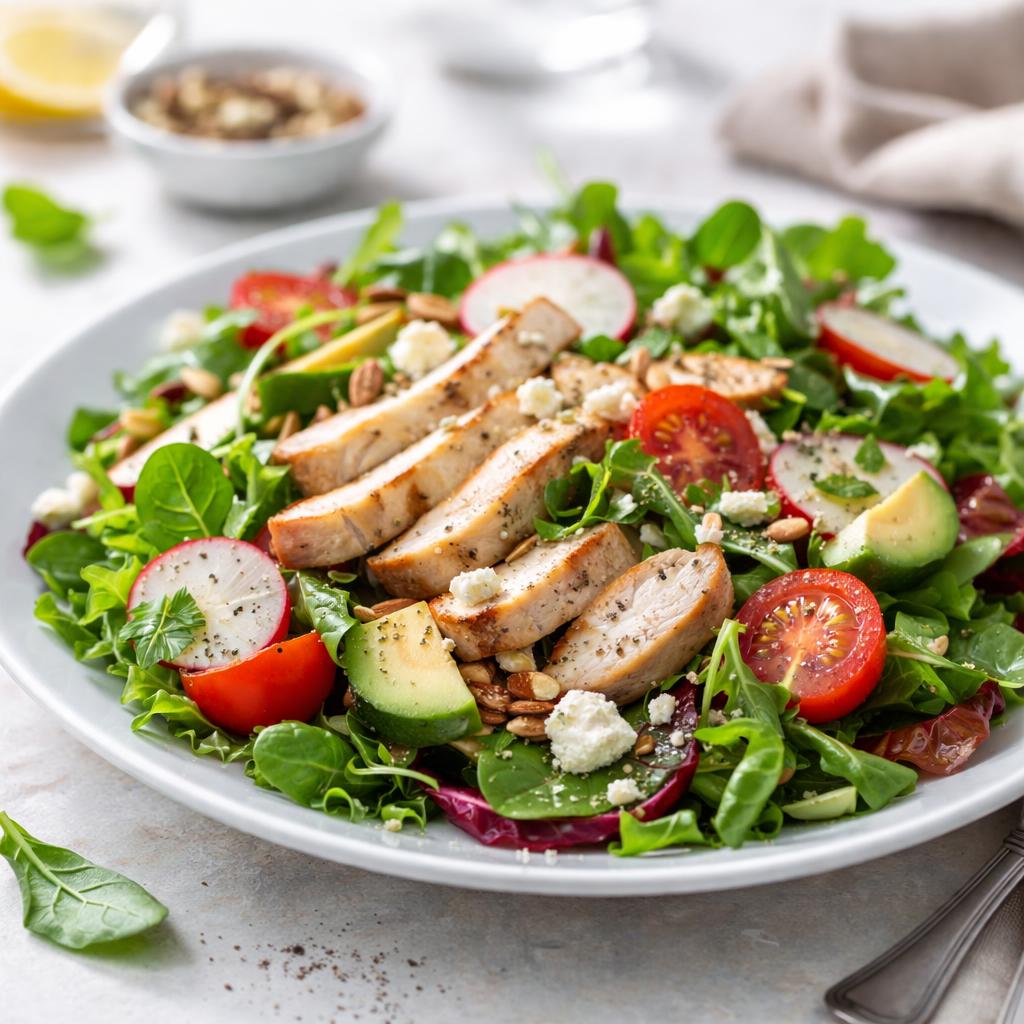
Salad
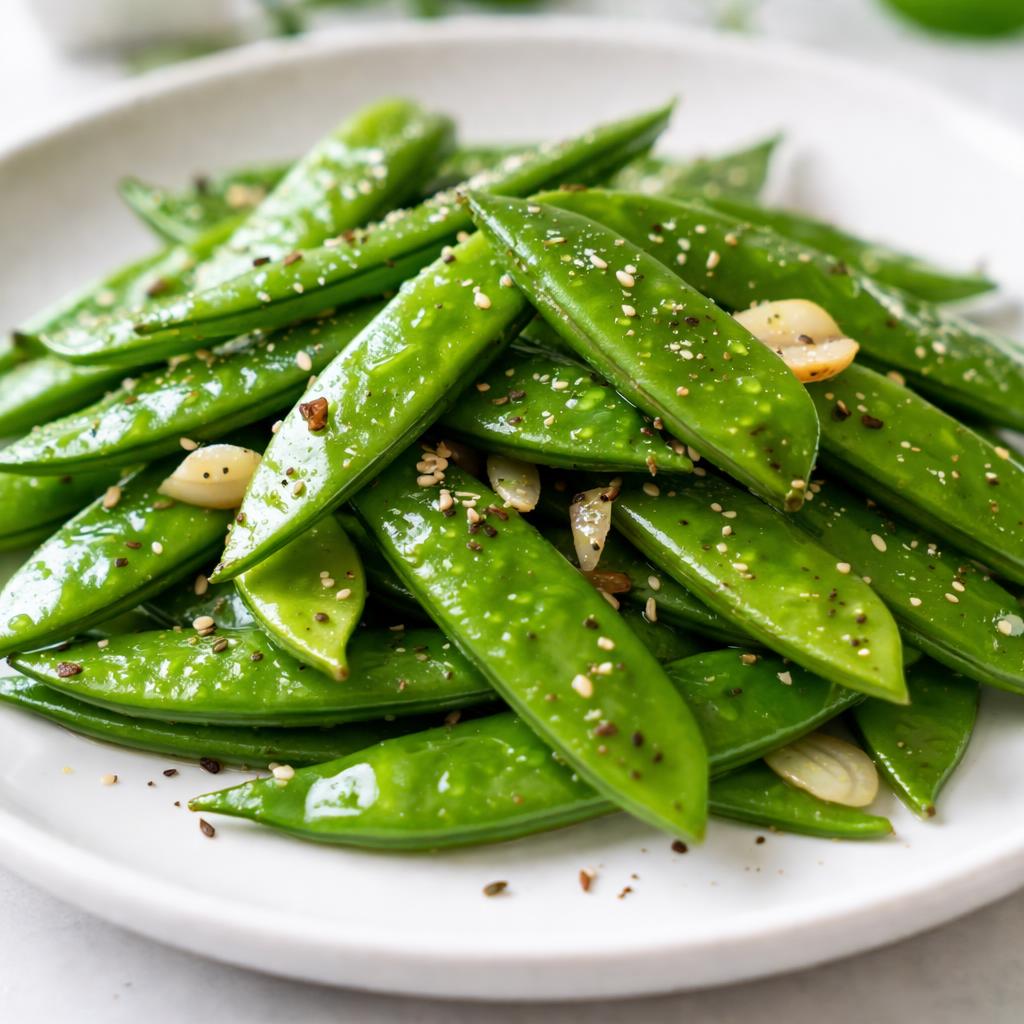
Snow Peas
🎯 Quick Verdict
Salad and snow peas are both highly nutritious vegetables with distinct advantages. Salad is lower in calories and higher in fiber, making it great for weight management and digestion. Snow peas excel in protein and provide a moderate amount of carbohydrates, which can support energy needs. Both are versatile and nutrient-rich options for any diet type.

Smart Nutrition Tracking with SnapCalorie

📊 Nutritional Comparison
Macronutrients
| Nutrient | Food 1 | Food 2 | Winner |
|---|---|---|---|
| Calories | 20 per 100g | 42 per 100g | ✓ |
| Protein | 2g per 100g | 3g per 100g | ✓ |
| Carbs | 3.6g per 100g | 7.6g per 100g | ✓ |
| Fat | 0.2g per 100g | 0.3g per 100g | ✓ |
| Fiber | 1.5g per 100g | 1.2g per 100g | ✓ |
Vitamins & Minerals
| Nutrient | Food 1 | Food 2 | Winner |
|---|---|---|---|
| Vitamin C | 15mg per 100g | 60mg per 100g | ✓ |
| Vitamin A | 2400 IU per 100g | 1080 IU per 100g | ✓ |
| Iron | 0.3mg per 100g | 1.4mg per 100g | ✓ |
🏆 Category Winners
Protein
Snow peas contain 50% more protein per serving than salad.
Fiber
Salad provides slightly more fiber than snow peas per serving.
Calories
Salad is significantly lower in calories, ideal for weight management.
Vitamins
Food1 has higher Vitamin A while Food2 excels in Vitamin C and iron.
🥗 Diet Compatibility
Keto
Food 1: Compatible
Food 2: Compatible
Both are low-carb options suitable for keto diets.
Vegan
Food 1: Compatible
Food 2: Compatible
Both foods are plant-based.
Gluten Free
Food 1: Compatible
Food 2: Compatible
Neither contains gluten.
Paleo
Food 1: Compatible
Food 2: Compatible
Both fit within paleo diet guidelines.
Low-Carb
Food 1: Compatible
Food 2: Compatible
Both have low carbohydrate content.
💪 Health Benefits Comparison
Food 1 Benefits
- Low in calories for weight management
- Good source of dietary fiber for improved digestion
- Rich in Vitamin A for vision and immune support
Food 2 Benefits
- Higher protein content for muscle maintenance
- Excellent source of Vitamin C for immune function
- Contains iron to support oxygen transport in the body
✅ The Bottom Line
Choose salad when prioritizing weight management, fiber intake, and Vitamin A, especially for digestion-focused meals. Opt for snow peas when you need a slightly higher protein intake, Vitamin C boost, or energy from carbohydrates. Both are versatile for various dietary goals.
Choose Food 1 for: Weight loss, digestion, low-calorie meals
Choose Food 2 for: Protein boost, energy support, immune health


