Salad VS Sliced Cucumber
A detailed nutritional comparison
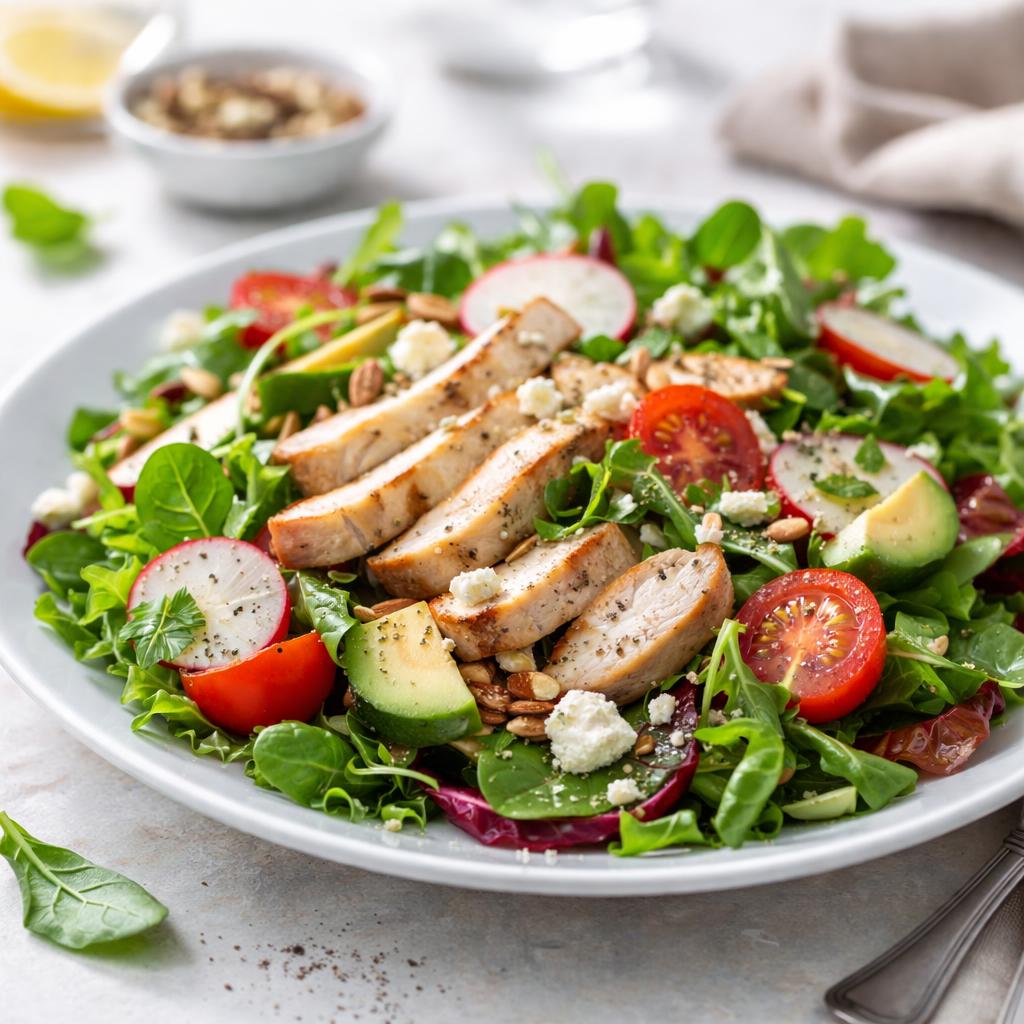
Salad
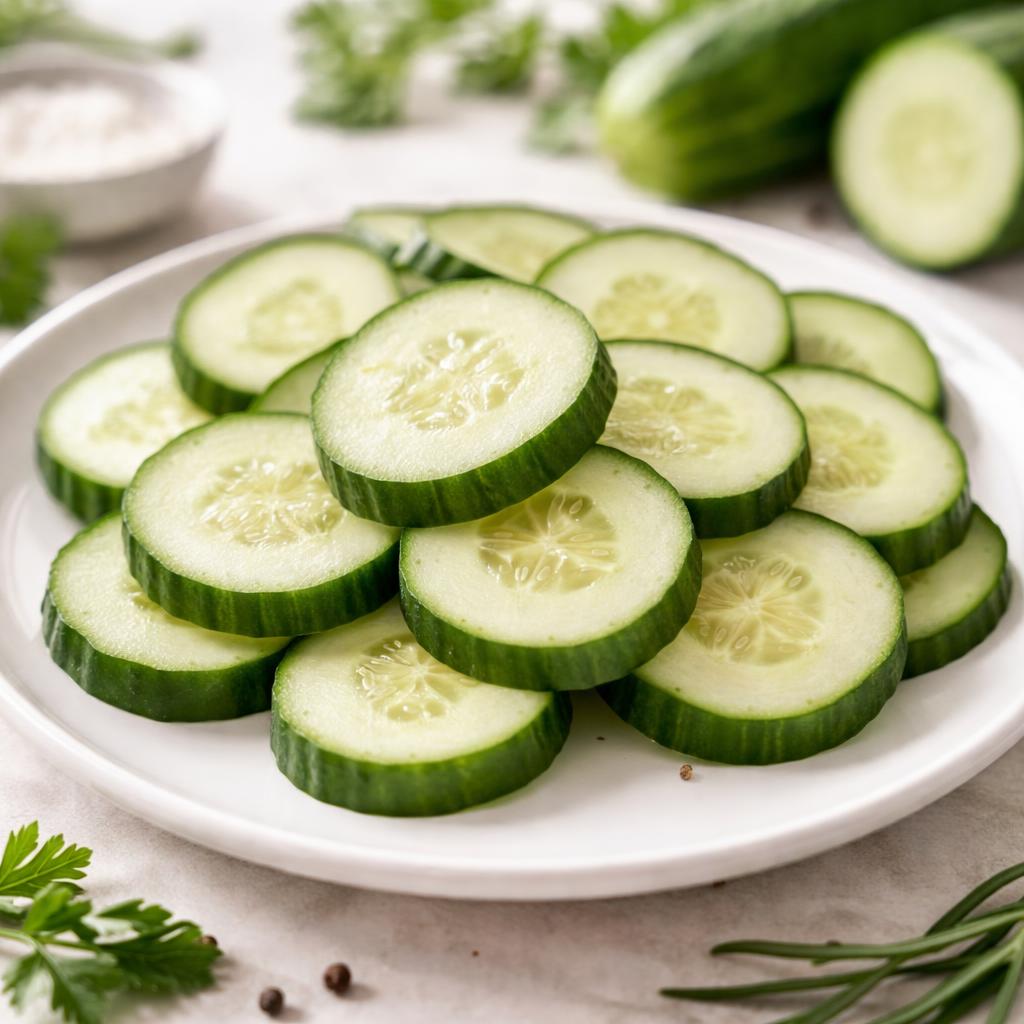
Sliced Cucumber
🎯 Quick Verdict
Food1 (salad) and Food2 (sliced cucumber) offer distinct nutritional benefits. Salad typically contains higher protein, fiber, and vitamin content due to additional ingredients (such as leafy greens and vegetables). Cucumber, however, is extremely low in calories and hydrating due to its high water content. Food1 is ideal as a nutrient-dense meal base, while Food2 works well as a low-calorie snack or side dish.

Smart Nutrition Tracking with SnapCalorie

📊 Nutritional Comparison
Macronutrients
| Nutrient | Food 1 | Food 2 | Winner |
|---|---|---|---|
| Calories | 80 | 15 | ✓ |
| Protein | 3g | 0.6g | ✓ |
| Carbs | 10g | 3.6g | ✓ |
| Fat | 3g | 0.1g | ✓ |
| Fiber | 4g | 0.5g | ✓ |
Vitamins & Minerals
| Nutrient | Food 1 | Food 2 | Winner |
|---|---|---|---|
| Vitamin C | 12mg | 3mg | ✓ |
| Vitamin K | 60mcg | 16mcg | ✓ |
| Potassium | 450mg | 150mg | ✓ |
🏆 Category Winners
Protein
Salad offers 5x more protein due to additional vegetables and leafy greens.
Fiber
Salad contains 8x more fiber, promoting better digestion.
Calories
Cucumber is extremely low in calories, making it a perfect choice for calorie control.
🥗 Diet Compatibility
Keto
Food 1: Somewhat Compatible
Food 2: Compatible
Cucumber is very low-carb, while salad may need carb adjustments based on toppings.
Vegan
Food 1: Compatible
Food 2: Compatible
Both foods are plant-based and vegan-friendly.
Gluten Free
Food 1: Compatible
Food 2: Compatible
Neither food contains gluten.
Paleo
Food 1: Compatible
Food 2: Compatible
Both are unprocessed and fit in a paleo diet.
Low-Carb
Food 1: Moderately Compatible
Food 2: Compatible
Cucumber is ideal for low-carb diets, while salad’s carbs depend on toppings.
💪 Health Benefits Comparison
Food 1 Benefits
- Rich in fiber for digestive health
- Contains various vitamins (C, K) for immunity and bone health
- Nutrient-dense with balanced macros, ideal for overall nutrition
Food 2 Benefits
- Low-calorie and hydrating, supports weight control
- High water content promotes hydration and skin health
- Contains antioxidants that reduce inflammation
✅ The Bottom Line
Salad and sliced cucumber each serve distinct purposes. Choose salad for a nutrient-dense meal with high fiber and protein, perfect for weight management and overall health. Opt for sliced cucumber as a refreshing, low-calorie snack or side, especially if hydration and weight control are priorities.
Choose Food 1 for: Nutrient density, digestion, meal base
Choose Food 2 for: Low-calorie snacking, hydration, side dish


