Salad VS Side Salad
A detailed nutritional comparison
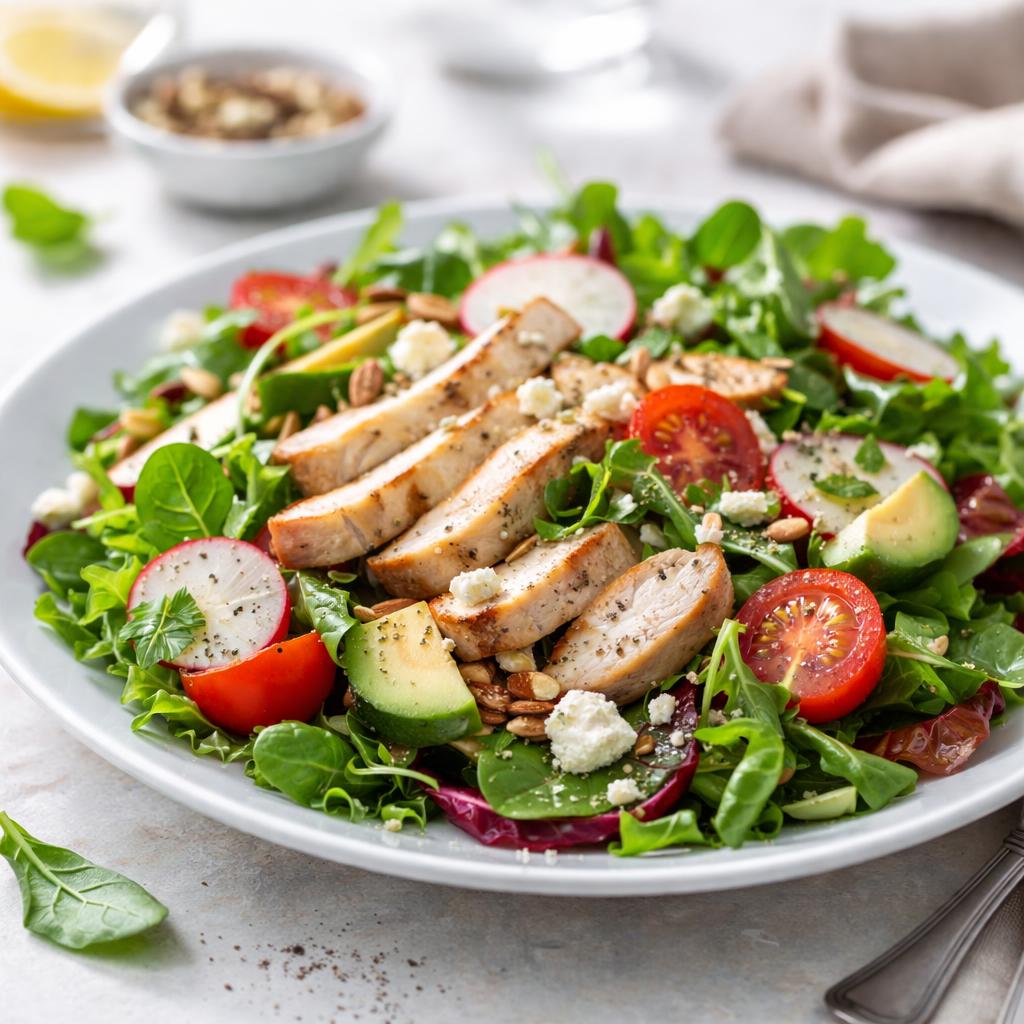
Salad
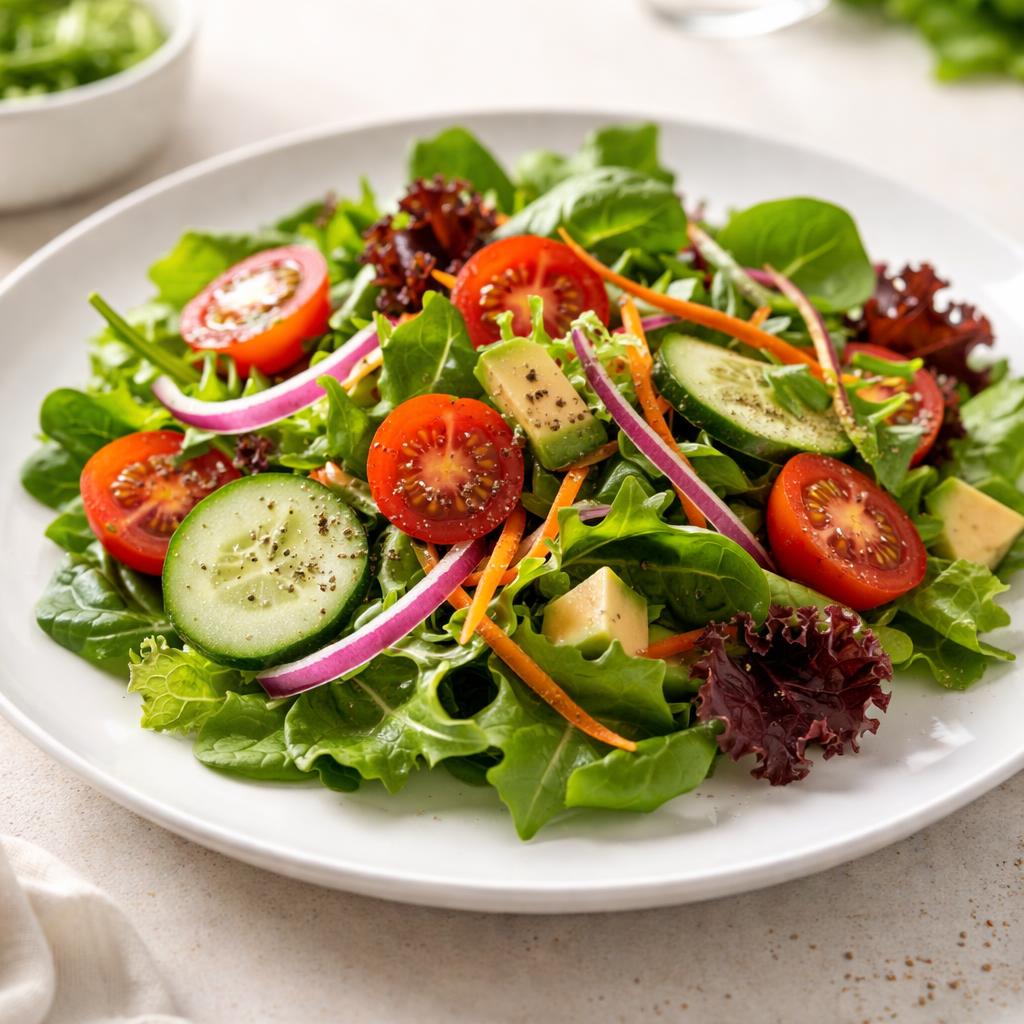
Side Salad
🎯 Quick Verdict
Food1 (salad) is the overall winner due to its better macronutrient profile, providing more protein and fiber. Food2 (side salad) is slightly lower in nutrition but may still be a good lighter option. Food1 is better suited for those focused on nutrient density and overall health, while Food2 is ideal as a small complement to meals.

Smart Nutrition Tracking with SnapCalorie

📊 Nutritional Comparison
Macronutrients
| Nutrient | Food 1 | Food 2 | Winner |
|---|---|---|---|
| Calories | 120 | 80 | ✓ |
| Protein | 5g | 2g | ✓ |
| Carbs | 15g | 10g | ✓ |
| Fat | 4g | 3g | ✓ |
| Fiber | 3g | 1g | ✓ |
Vitamins & Minerals
| Nutrient | Food 1 | Food 2 | Winner |
|---|---|---|---|
| Vitamin A | 1500 IU | 800 IU | ✓ |
| Vitamin C | 20mg | 10mg | ✓ |
| Potassium | 500mg | 200mg | ✓ |
🏆 Category Winners
Protein
Food1 provides more than twice the protein of Food2.
Fiber
Food1 offers three times the fiber, supporting digestive health.
Calories
Food2 is slightly lower in calories, making it lighter for small appetites.
Vitamins
Food1 outperforms in essential vitamins like A and C.
🥗 Diet Compatibility
Keto
Food 1: Not Compatible
Food 2: Not Compatible
Both are relatively high in carbs.
Vegan
Food 1: Compatible
Food 2: Compatible
Both are plant-based with no animal products.
Gluten Free
Food 1: Compatible
Food 2: Compatible
Both naturally do not contain gluten ingredients.
Paleo
Food 1: Compatible
Food 2: Compatible
Both fit within paleo guidelines as whole, clean food options.
Low-Carb
Food 1: Not Compatible
Food 2: Not Compatible
Both have moderate carbs, typical for vegetable-based salads.
💪 Health Benefits Comparison
Food 1 Benefits
- High in fiber for improved digestive health
- Rich in essential vitamins like A and C for immune function
- Low-calorie yet nutritionally dense, aiding weight management
Food 2 Benefits
- Low-calorie option for lighter meals or side dishes
- Good source of hydration due to its vegetable content
- Provides some micronutrients for basic nourishment
✅ The Bottom Line
Food1 is the better choice for overall nutrition, offering higher amounts of protein, fiber, and vitamins, making it ideal for those focused on health and satiety. Food2 is a lighter option, best suited for complementing meals or for those with smaller appetites.
Choose Food 1 for: Main meal, nutrient-dense diets, weight management
Choose Food 2 for: Side dish, lighter meal option, quick hydration


