Salad VS Shredded Cheese
A detailed nutritional comparison
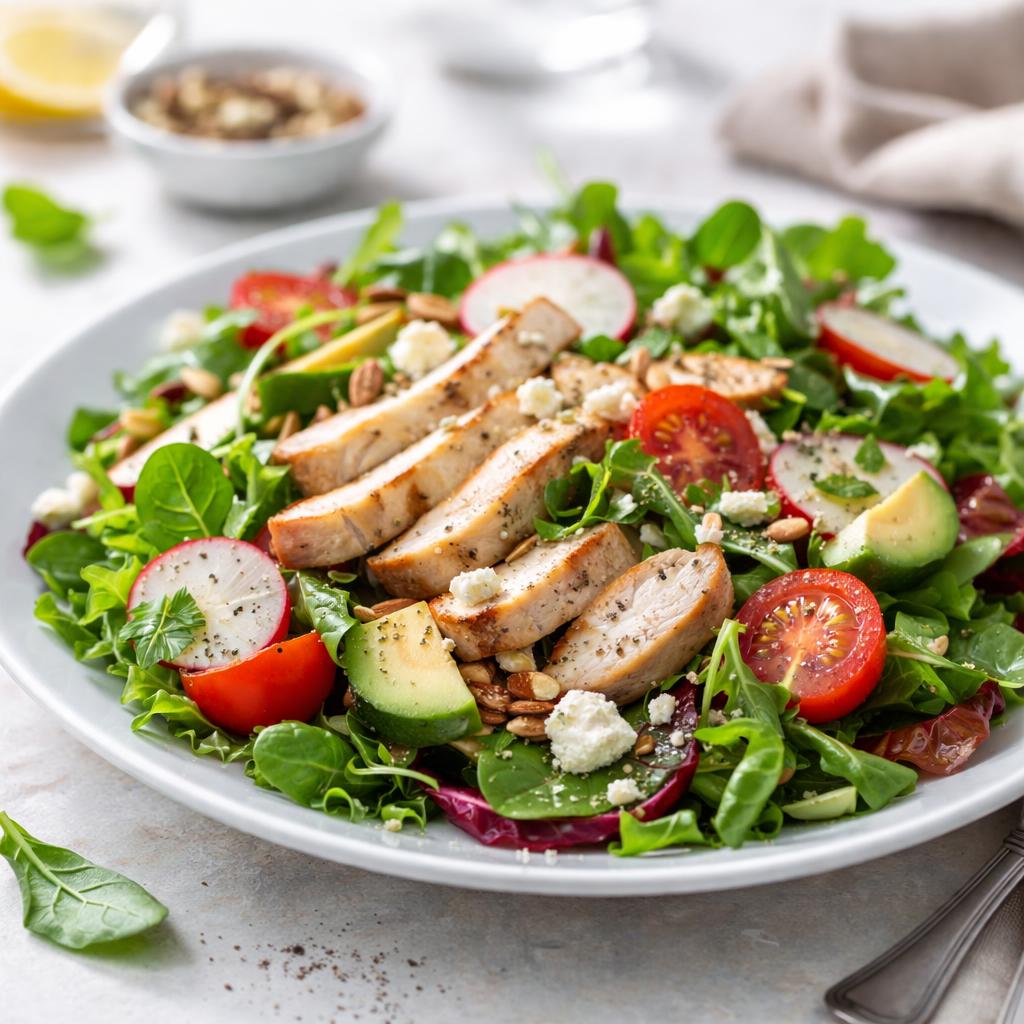
Salad
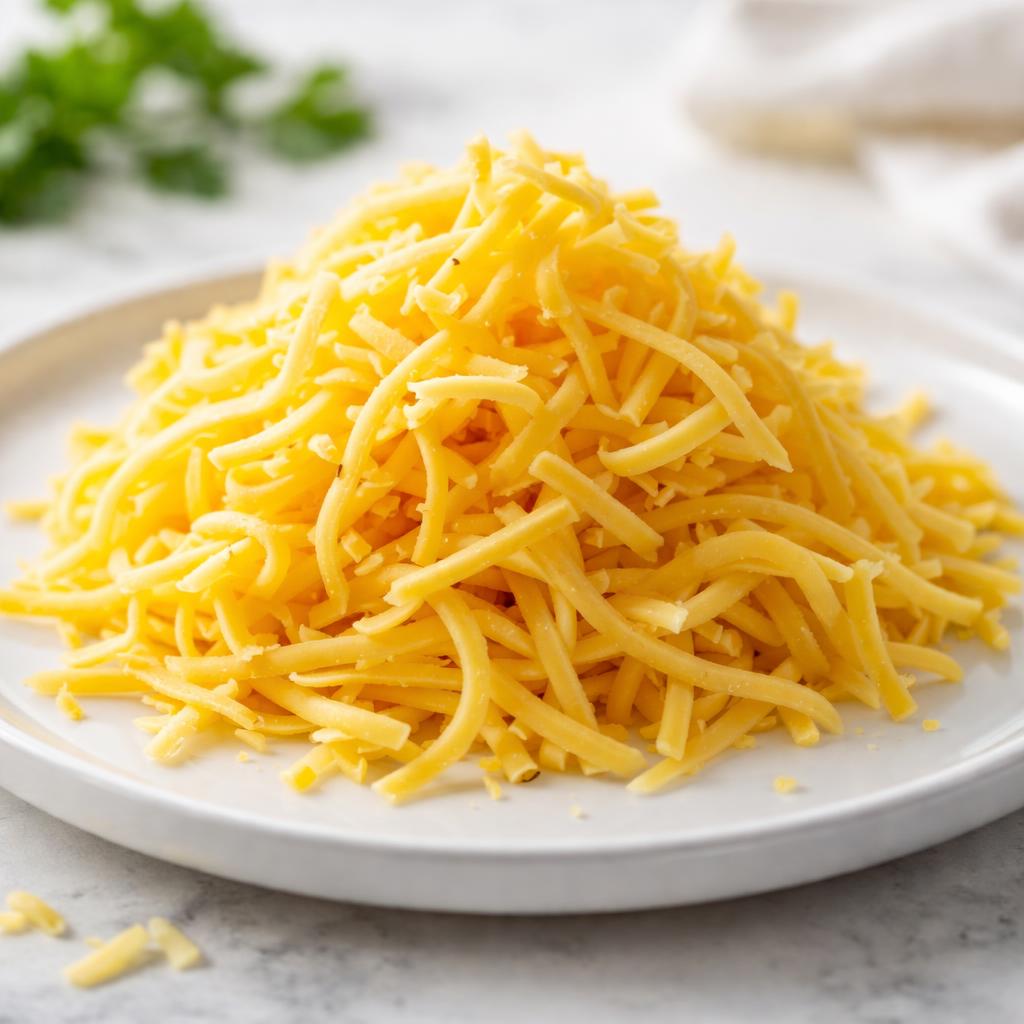
Shredded Cheese
🎯 Quick Verdict
Salad is a lower-calorie and higher-fiber food, ideal for weight management and digestive health. Shredded cheese is protein-rich, with notable calcium levels, making it a nutrient-dense option for muscle support and bone health. Use salad for light meals and cheese for added flavor and protein boosts.

Smart Nutrition Tracking with SnapCalorie

📊 Nutritional Comparison
Macronutrients
| Nutrient | Food 1 | Food 2 | Winner |
|---|---|---|---|
| Calories | 50 | 110 | ✓ |
| Protein | 2g | 7g | ✓ |
| Carbs | 10g | 1g | ✓ |
| Fat | 0.5g | 9g | ✓ |
| Fiber | 3g | 0g | ✓ |
Vitamins & Minerals
| Nutrient | Food 1 | Food 2 | Winner |
|---|---|---|---|
| Vitamin C | 15mg | 0mg | ✓ |
| Calcium | 30mg | 200mg | ✓ |
| Iron | 0.8mg | 0mg | ✓ |
| Vitamin D | 0mcg | 0.3mcg | ✓ |
🏆 Category Winners
Protein
Shredded cheese offers over 3x more protein per serving, ideal for muscle maintenance.
Fiber
Salad contains 3g of fiber per serving, while shredded cheese has none.
Calories
Salad is far lower in calories, with only 50 calories per serving versus 110 in shredded cheese.
Vitamins
Food1 is rich in Vitamin C and iron, while Food2 provides significant calcium and Vitamin D.
🥗 Diet Compatibility
Keto
Food 1: Not Compatible
Food 2: Compatible
Shredded cheese is low-carb, while salad tends to have more carbs depending on ingredients.
Vegan
Food 1: Compatible
Food 2: Not Compatible
Salad is plant-based, while cheese is dairy.
Gluten Free
Food 1: Compatible
Food 2: Compatible
Neither contains gluten inherently.
Paleo
Food 1: Compatible
Food 2: Not Compatible
Salad fits paleo guidelines, shredded cheese does not due to dairy inclusion.
Low-Carb
Food 1: Not Compatible
Food 2: Compatible
Shredded cheese is low in carbohydrates; salad can vary depending on toppings.
💪 Health Benefits Comparison
Food 1 Benefits
- High in fiber to aid digestion
- Low in calories, great for weight management
- Rich in Vitamin C for immune support
- Contains iron for improved oxygen transport in the blood
Food 2 Benefits
- Excellent source of protein for muscle repair and maintenance
- High in calcium for strong bones and teeth
- Contains Vitamin D, which supports bone health and immune function
- Provides healthy fats for energy and hormone regulation
✅ The Bottom Line
Choose salad for low-calorie, high-fiber meals that support weight management and digestion. Opt for shredded cheese to boost protein intake or enhance taste with nutrient density. Ideal pairing: combine both to balance macros and micronutrients in meals.
Choose Food 1 for: Weight loss, light meals, fiber intake, vegan diets
Choose Food 2 for: Protein boosts, calcium intake, keto diets, flavor enhancement


