Salad VS Shredded Cabbage
A detailed nutritional comparison
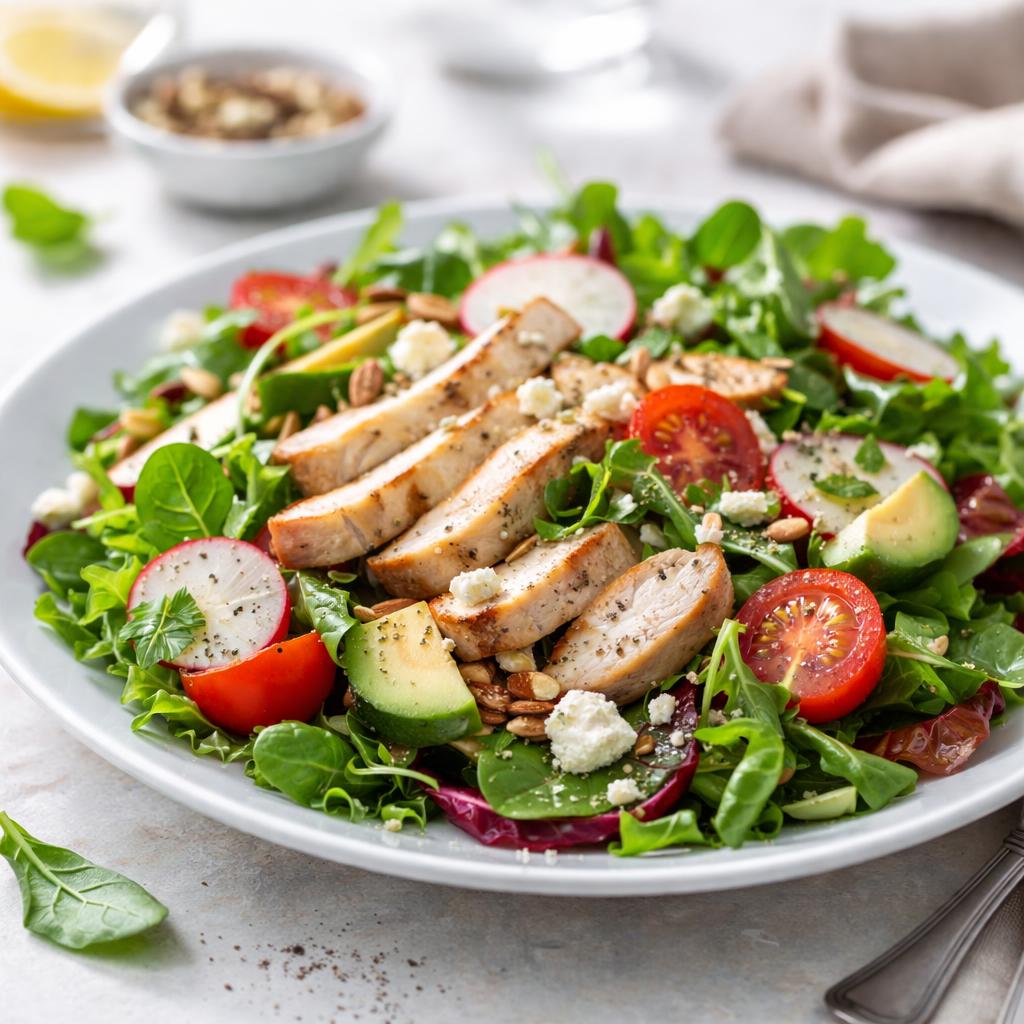
Salad
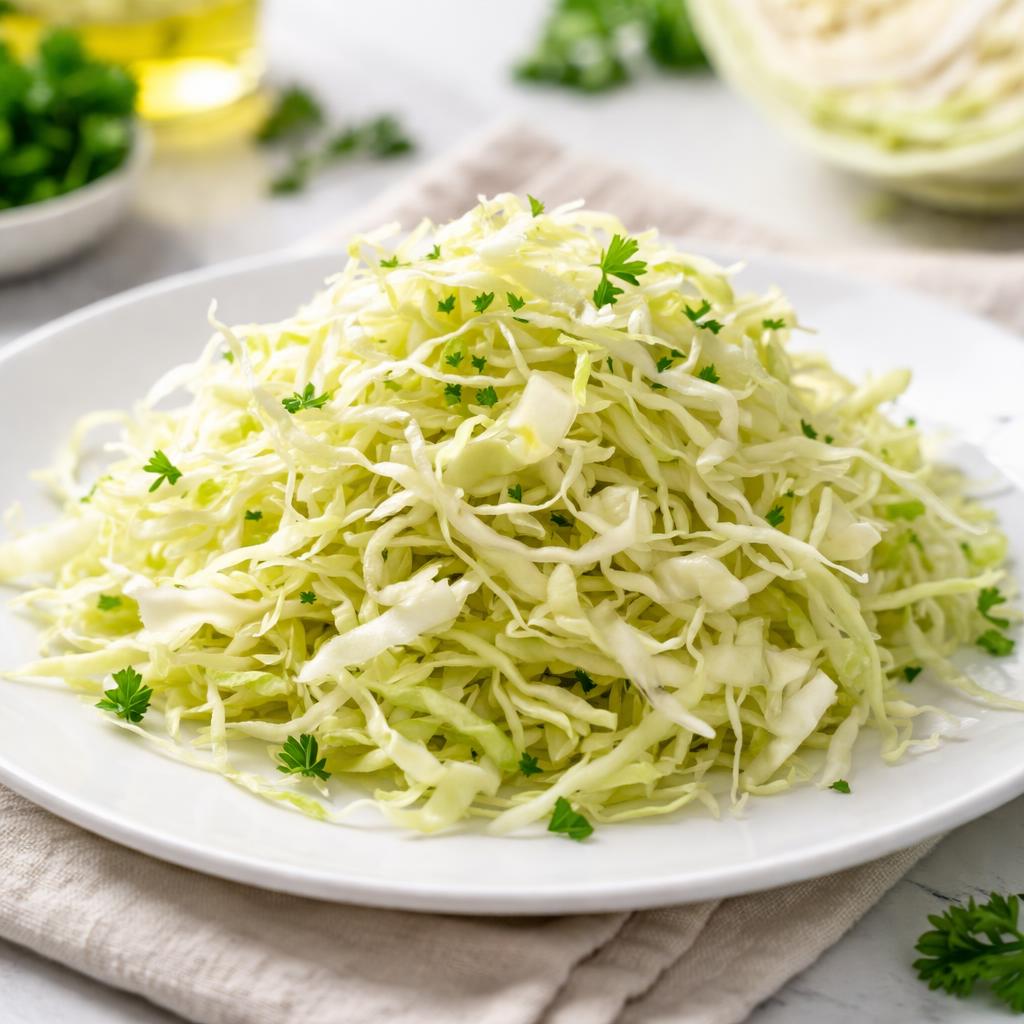
Shredded Cabbage
🎯 Quick Verdict
Salad and shredded cabbage are both nutrient-dense options. Shredded cabbage has slightly higher protein and fiber, making it better for satiety and digestion, while salad often includes a mix of greens that provide diverse nutrients. Both are low-calorie and suitable for healthy, weight-conscious diets.

Smart Nutrition Tracking with SnapCalorie

📊 Nutritional Comparison
Macronutrients
| Nutrient | Food 1 | Food 2 | Winner |
|---|---|---|---|
| Calories | 15 (per 1 cup of mixed greens) | 18 (per 1 cup) | − |
| Protein | 1g | 1.5g | − |
| Carbs | 2.5g | 4g | − |
| Fat | 0.2g | 0.1g | − |
| Fiber | 1g | 2g | − |
Vitamins & Minerals
| Nutrient | Food 1 | Food 2 | Winner |
|---|---|---|---|
| Vitamin C | 5mg | 28mg | − |
| Vitamin K | 50mcg | 85mcg | − |
| Potassium | 100mg | 150mg | − |
🏆 Category Winners
Protein
Shredded cabbage contains 50% more protein than salad.
Fiber
Shredded cabbage provides double the fiber content.
Calories
Both are very low in calories (below 20 per cup).
🥗 Diet Compatibility
Keto
Food 1: Compatible
Food 2: Compatible
Both are low in carbs and sugars.
Vegan
Food 1: Compatible
Food 2: Compatible
Both derive entirely from plants.
Gluten Free
Food 1: Compatible
Food 2: Compatible
Neither contains gluten sources.
Paleo
Food 1: Compatible
Food 2: Compatible
Both align with natural, whole-food paleo principles.
Low-Carb
Food 1: Compatible
Food 2: Compatible
Both are extremely low in carbohydrates.
💪 Health Benefits Comparison
Food 1 Benefits
- Low-calorie option for weight management
- Rich in vitamin K for bone health and blood clotting
- Provides antioxidants that combat free radicals
Food 2 Benefits
- Higher fiber content supports digestive health
- Excellent source of vitamin C, boosting immune function
- Contains compounds like sulforaphane that may help reduce inflammation
✅ The Bottom Line
Both salad and shredded cabbage are excellent choices for healthy eating. Choose shredded cabbage if you're looking for more protein and fiber or vitamin C. Opt for salad when seeking variety and mixing greens with different nutrients.
Choose Food 1 for: General weight-loss diets, mixing with toppings, nutrient variety
Choose Food 2 for: Gut health, immune boosting, hearty side dishes


